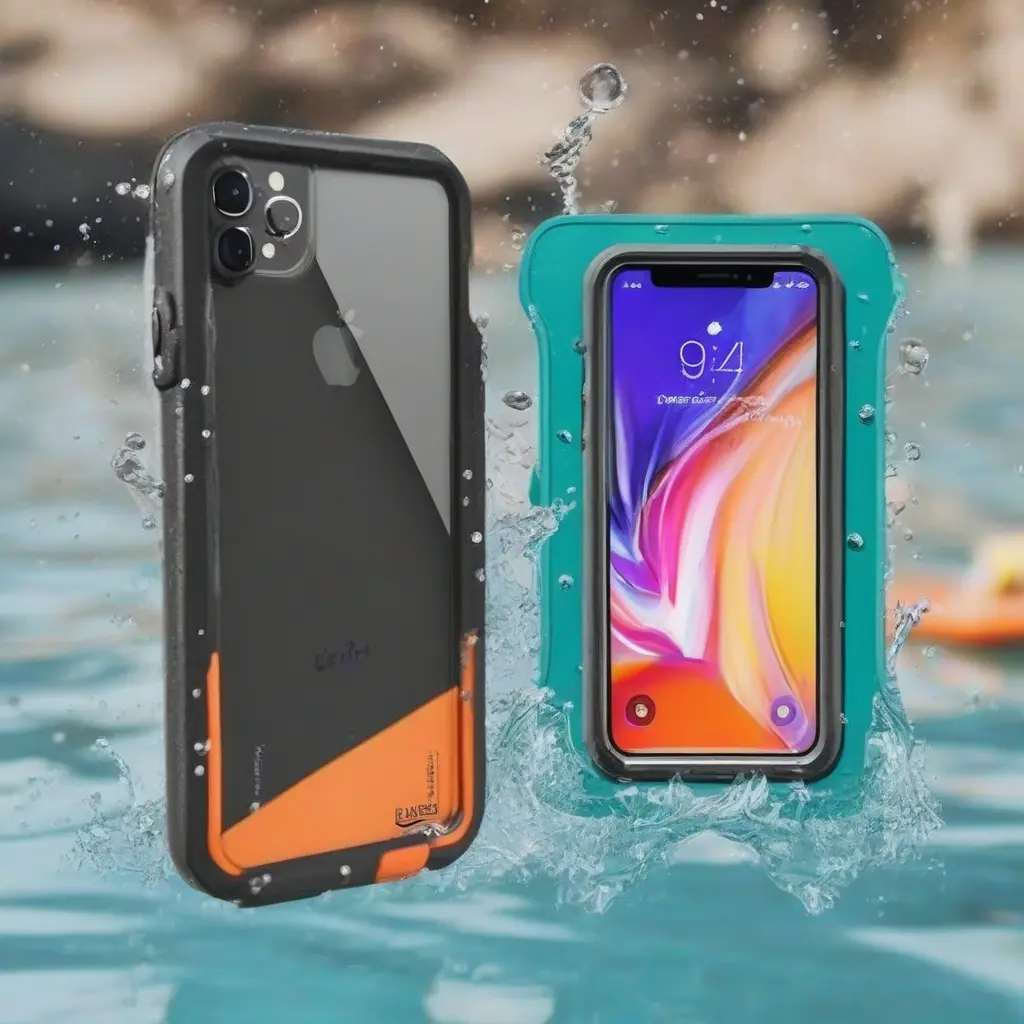
In today’s tech-driven world, maintaining the longevity of your smartphone is crucial, especially when it comes to protecting it from water damage. Water-resistant phone cases have become a popular solution for individuals seeking to safeguard their devices from accidental spills, splashes, and even submersion. This ultimate guide will explore the different types of water-resistant cases, key features to look for, and tips on selecting the ideal one for your needs. Understanding these factors will empower you to make an informed decision, ensuring your phone remains safe and functional.
Understanding Water Resistance Ratings
Water resistance ratings are crucial for understanding how well a phone case can protect against water damage. These ratings are often indicated by the Ingress Protection (IP) system, which combines two digits. The first digit represents dust resistance, while the second indicates water resistance. For instance, an IP68 rating means the case is dust-tight and can withstand water submersion for a prolonged period. Knowing these ratings helps consumers select cases that meet their specific needs, such as protection during outdoor activities or daily use.
Types of Water-Resistant Phone Cases
There are several types of water-resistant phone cases, each catering to different lifestyles and needs. Some cases are designed specifically for everyday use, providing basic splash and rain protection, making them ideal for casual users. Others are rugged cases built for extreme conditions, offering superior waterproof capabilities and additional features like shock protection. Additionally, there are underwater cases for enthusiasts who want to capture photos or videos while swimming or snorkeling. Understanding the variety of options available can help you choose the right case for your activities.
Key Features to Look for in a Water-Resistant Case
When selecting a water-resistant phone case, several key features should guide your choice. Firstly, ensure compatibility with your phone model, as a proper fit is crucial for effective protection. Look for cases made from durable materials that can withstand heavy use and provide additional features like shock absorption. Sealed ports and reinforced buttons also help maintain the device’s water resistance. Furthermore, check for user reviews and ratings to guarantee that the case performs as advertised in real-life situations.
The Importance of a Good Fit
A good fit is essential when choosing a water-resistant phone case, as it directly impacts the level of protection. A poorly fitted case can leave gaps that allow water to seep in, defeating its purpose. Always choose a case tailored for your specific phone model, as this ensures proper coverage of ports, buttons, and the camera. Additionally, some cases offer adjustable features, allowing for a more customized fit. Investing time in selecting a properly fitting case can significantly enhance your device’s durability against liquid exposure.
Maintenance Tips for Water-Resistant Cases
To ensure your water-resistant phone case remains effective over time, follow basic maintenance tips. Regularly clean the case to remove dirt or debris that could affect its integrity. After exposure to water or moisture, thoroughly dry the case and allow it to air out to prevent mold or odor. Check for wear and tear, particularly on seals and gaskets, which are critical for maintaining water resistance. Following these maintenance steps will help prolong the life of your case and ensure ongoing protection for your device.
Common Misconceptions about Water-Resistant Cases
There are several common misconceptions regarding water-resistant phone cases that can lead to misuse or misunderstandings. One widespread belief is that ‘waterproof’ cases can be submerged indefinitely; however, most cases have specific limits regarding depth and duration. Additionally, some users mistakenly think that once a case is labeled as water-resistant, it doesn’t require maintenance. It’s essential to understand the limitations of your specific case and adhere to guidelines to ensure adequate protection against water damage.
Real-World Testing and User Experiences
Real-world testing and user experiences provide valuable insights into the performance of water-resistant phone cases. Many users report positive results when using their cases in various environments, from rainy days to beach outings. However, some experiences highlight that even reputable brands have limitations, particularly regarding prolonged submersion. Online reviews and case study tests can offer a reliable perspective on what to expect, helping potential buyers gauge the effectiveness of different water-resistant cases before making a purchase.
Price Ranges and Budget Considerations
Water-resistant phone cases come in a variety of price ranges, catering to different budgets while maintaining quality. Basic cases might start at low prices, typically offering minimal water resistance. Mid-range options often include additional features such as enhanced durability and design. Premium cases, designed for extreme conditions and thorough protection, typically come at a higher price but may provide longer-lasting functionality. Evaluating your specific needs against your budget is essential in making a smart purchase decision that aligns with both your lifestyle and financial limits.
Conclusion
In conclusion, choosing the right water-resistant phone case involves understanding water resistance ratings, types of cases, and essential features while ensuring a good fit. By considering these factors and maintaining your case, you can protect your device effectively against water damage. Armed with this ultimate guide, you can confidently select a case that meets your needs, enhancing your phone’s longevity and resilience to the elements.
