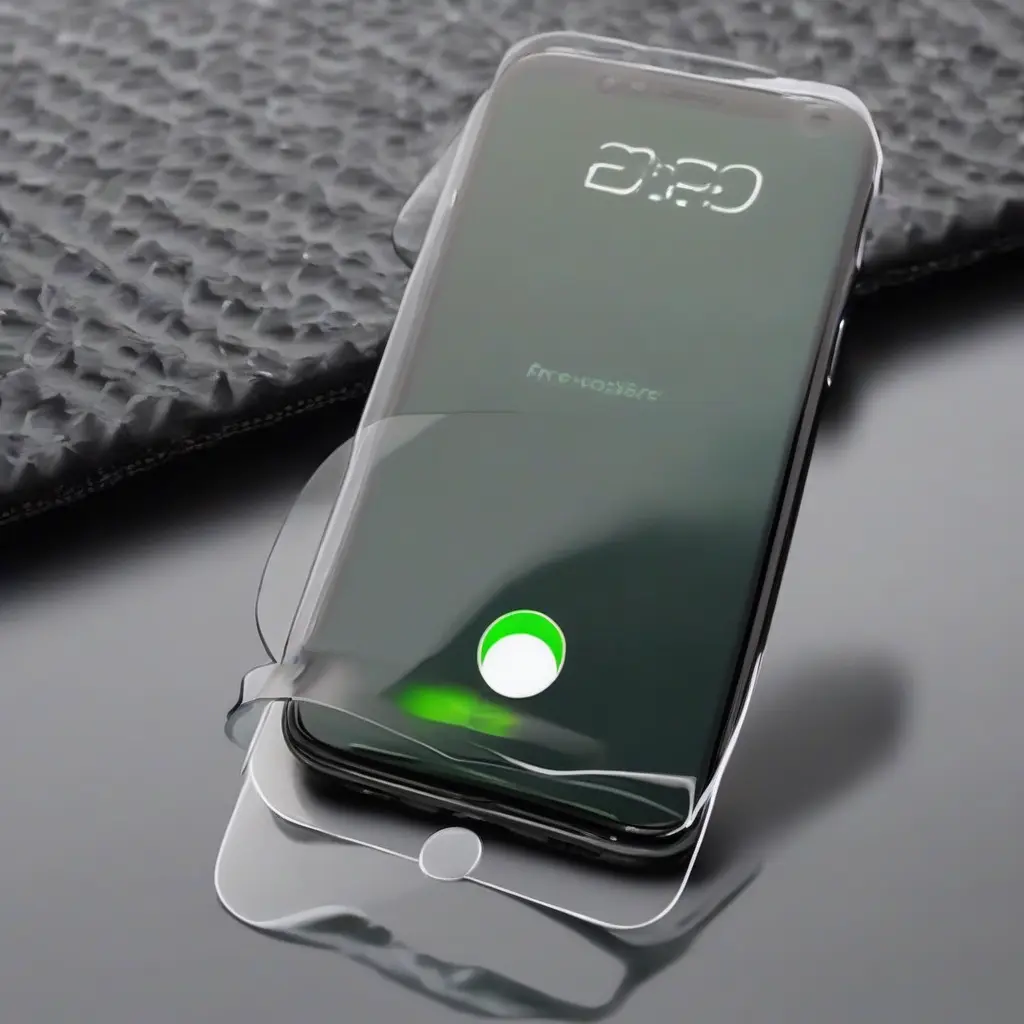
In an age where smartphones are indispensable, protecting their screens remains a high priority for users. Self-healing screen protectors have emerged as a popular option, promising to mend minor scratches and blemishes automatically. This comprehensive review delves into the actual effectiveness of these innovative protectors, exploring their technology, real-world performance, and how they stack up against traditional alternatives. Understanding whether these products deliver on their claims can help consumers make informed choices about smartphone protection.
What Are Self-Healing Screen Protectors?
Self-healing screen protectors utilize advanced polymer technology to provide users with a unique defense against minor scratches and everyday wear. Unlike standard screen protectors that merely act as barriers, self-healing options incorporate a special layer of material designed to respond to scratches. When these protectors incur light damage, the polymer particles are capable of rearranging themselves, effectively ‘healing’ the scratches over time. This innovative approach aims to maintain the device’s aesthetic appeal while ensuring long-lasting protection.
How Do Self-Healing Screen Protectors Work?
The mechanism behind self-healing screen protectors relies on a specialized polymer matrix containing microscopic elastic materials. When the surface experiences pressure from a scratch, the flexible polymers can stretch and flow into the damaged area. The energy from their elastic properties allows the material to return to its original shape, thus minimizing the visibility of the scratch. This process can take a few hours to complete, depending on environmental factors, such as temperature and humidity, allowing the scratch to ‘disappear’ gradually, conserving the screen’s clarity.
Benefits of Using Self-Healing Screen Protectors
One of the primary advantages of self-healing screen protectors is their ability to maintain the aesthetic integrity of a smartphone screen. Users can enjoy a clear, unblemished display while minimizing the need for frequent replacements. Additionally, these protectors often provide resistance against various common issues like fingerprints, smudges, and dust, contributing to extra longevity. Overall, the self-healing technology promises enhanced durability, making them an attractive choice for users keen on keeping their devices pristine.
Limitations and Drawbacks
Despite their innovative features, self-healing screen protectors do have limitations. They are primarily effective against minor scratches and may not perform well under severe impact or deep scratches. For example, if a phone is dropped or experiences a sharp object scratch, the protector might not recover properly, leaving the screen vulnerable. Additionally, the self-healing process can take time, which may not be suitable for users looking for immediate solutions. Understanding these drawbacks is essential for setting realistic expectations.
Comparison with Traditional Screen Protectors
When comparing self-healing screen protectors to traditional glass or film options, several factors come into play. Traditional protectors often provide superior durability against impacts, making them a reliable choice for users who frequently drop their devices. However, self-healing protectors excel in their ability to mask minor cosmetic flaws, which can be appealing to users focused on maintaining aesthetics. Ultimately, choosing between these options depends on individual usage patterns and protection priorities, making it imperative to weigh the pros and cons carefully.
Real User Experiences
Many users have reported mixed experiences with self-healing screen protectors, highlighting both satisfaction and disappointment. Some individuals praise the product for its convenience, noting that minor scratches disappear significantly within hours, thus avoiding the hassle of switching to a new protector. Meanwhile, others have expressed frustration when deeper scratches fail to heal, leading to an appearance that does not meet their expectations. These varied experiences underscore the importance of individual usage scenarios when evaluating product effectiveness.
Best Practices for Application and Maintenance
To maximize the effectiveness of self-healing screen protectors, proper application and care are essential. Users should start by ensuring the screen is thoroughly cleaned to avoid trapping dust or debris. Following the manufacturer’s installation instructions carefully can also enhance adhesion and longevity. Additionally, while these protectors offer self-healing properties, routine maintenance, such as wiping the screen with a microfiber cloth, will help preserve its appearance and function. Adopting these practices can significantly improve the product’s performance over time.
Cost vs. Value
Self-healing screen protectors often come at a higher price point compared to traditional options, provoking questions about their cost-effectiveness. While the initial investment may seem steep, users should consider the long-term value provided by reduced replacement frequency and improved aesthetic maintenance. Evaluating the potential savings on screen repairs or replacement devices can further illustrate this point. Ultimately, discerning a product’s true value hinges on individual needs and usage habits.
Where to Buy Self-Healing Screen Protectors
Self-healing screen protectors can be found at a variety of retail locations, including electronic stores, online marketplaces, and mobile service providers. Notable online platforms like Amazon frequently feature a wide selection, allowing users to read reviews and compare brands before making a purchase. When seeking a protector, it’s advisable to purchase from reputable sellers to ensure authenticity and product quality. This diligence can safeguard against counterfeit items that may not deliver on the claims of self-healing properties.
Conclusion
In summary, self-healing screen protectors present a unique solution for smartphone users seeking to protect their devices while maintaining aesthetic appeal. While they offer notable benefits, including the ability to mask minor scratches, consumers should be aware of their limitations, particularly regarding severe damage. Balancing these factors is crucial in making an informed decision about which type of screen protector best meets individual needs and priorities.
