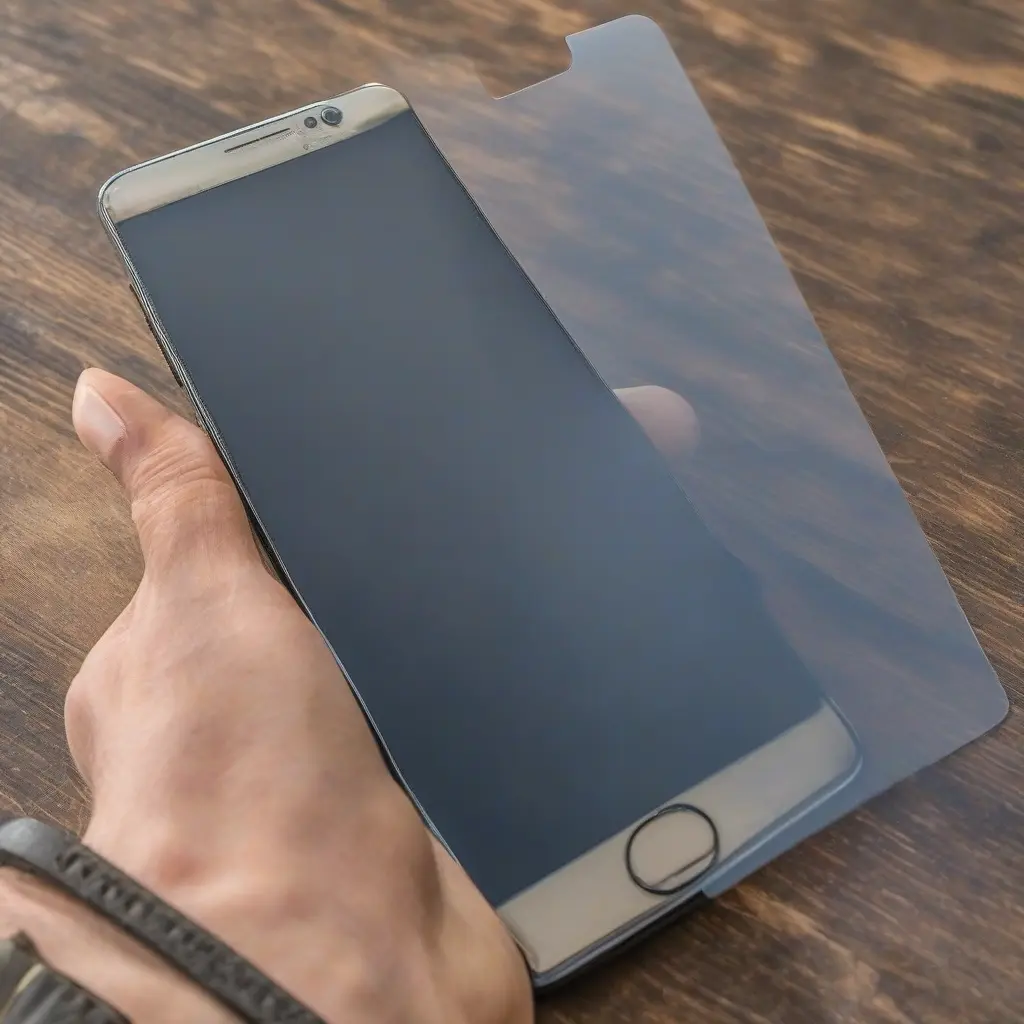
Choosing the right screen protector can significantly enhance your device experience. Anti-glare and glossy screen protectors serve different purposes and cater to unique preferences. Anti-glare options are designed to minimize reflections and reduce eye strain, making them ideal for bright environments. On the other hand, glossy protectors offer vibrant color clarity and sharpness, appealing to users who prioritize display quality. This article dives deep into the distinctions between these two types of screen protectors, helping you decide which is best suited for your lifestyle and usage.
Understanding Anti-Glare Screen Protectors
Anti-glare screen protectors feature a matte finish that diffuses light, significantly reducing reflections. This design helps to combat glare, particularly in brightly lit settings, such as outdoors or in well-lit offices. Users who often find themselves squinting at their screens in sunlight will appreciate the ease of viewing that anti-glare protectors offer. Moreover, these protectors can help minimize fingerprint smudges, keeping the screen cleaner for longer. Typically made from different materials, anti-glare protectors can add an extra layer of durability as well.
Benefits of Anti-Glare Screen Protectors
One of the primary benefits of anti-glare screen protectors is their ability to reduce eye strain. By minimizing reflections, they allow for more comfortable viewing over extended periods. This can be particularly beneficial for individuals who use their devices for reading or gaming. Additionally, these protectors help maintain a clear view of the screen in various lighting conditions, making them suitable for both indoor and outdoor usage. Many users also find that matte finishes are less likely to show scratches, providing prolonged visual clarity and protection.
Limitations of Anti-Glare Protectors
While there are notable benefits, anti-glare screen protectors have their limitations. One significant drawback is that they may reduce the overall screen brightness and vibrancy of colors. Due to their matte texture, images may appear slightly duller compared to a glossy finish. This can detract from the visual quality when watching videos or viewing high-resolution images. Furthermore, some anti-glare protectors can also feel less smooth to touch, which may not appeal to users who prefer a silky, glossy interface.
Exploring Glossy Screen Protectors
Glossy screen protectors, characterized by their shiny surface, enhance color vibrancy and clarity. These protectors allow for a more vivid representation of colors and details, making them especially popular among photographers and gamers. The glossy finish can create a more immersive experience when viewing pictures or videos, bringing out the subtleties that might otherwise go unnoticed. Additionally, glossy protectors often offer excellent touch sensitivity, ensuring smooth interactions while navigating apps or gaming.
Advantages of Glossy Screen Protectors
The main advantage of glossy screen protectors is their ability to deliver outstanding picture quality. They enhance color depth and image clarity, providing a stunning visual experience that many users desire. Glossy protectors often offer higher touch sensitivity, allowing for quick and effortless interactions with mobile apps and games. Additionally, many users find that glossy protectors have a more premium feel, enhancing the overall aesthetic of the device. This combination can be particularly appealing for users who navigate their screens frequently.
Drawbacks of Glossy Screen Protectors
Despite their impressive visuals, glossy screen protectors come with their drawbacks. They are more prone to glare in brightly lit conditions, making them less ideal for outdoor usage. This can lead to a frustrating viewing experience as reflections interfere with screen visibility. Moreover, glossy surfaces tend to attract fingerprints and smudges more easily, necessitating frequent cleaning. Users who prioritize a neat and clear screen may find themselves wiping their devices more often when using a glossy protector.
Durability Differences
Both anti-glare and glossy screen protectors are designed to offer protection from scratches and light impacts, yet their durability characteristics can vary. Anti-glare protectors are often made from tougher materials that enhance their resistance to scratches. Meanwhile, glossy protectors may provide a smooth finish but could be more vulnerable to scratching. It’s also essential to consider the thickness and material quality when assessing durability, as these factors can significantly impact how well the screen protector withstands daily wear and tear.
Price Considerations
When choosing between anti-glare and glossy screen protectors, price can be a significant factor. Generally, the cost of screen protectors can fluctuate based on brand, material quality, and features. Anti-glare protectors may sometimes be priced higher due to their specialized coatings and materials that combat glare effectively. In contrast, glossy protectors can be found at various price points, with options ranging from budget to premium. It’s essential to consider your budget and the type of protection you desire before making a choice.
User Preferences
User preferences play a crucial role in deciding between anti-glare and glossy screen protectors. Some individuals prioritize a clearer, vibrant display for media consumption, making glossy options their go-to choice. Others may prefer a matte finish to reduce glare and improve comfort during prolonged use. Considering your primary usage—such as gaming, reading, or professional work—will greatly assist in making the right decision. Each protector type serves distinct functionalities that cater to different user experiences.
Installation Process
Both anti-glare and glossy screen protectors can present unique challenges during installation. Proper alignment is crucial for ensuring the best fit without air bubbles. Most protectors come with installation kits that may include wipes and dust stickers to assist with the setup. Anti-glare protectors might require a more careful approach due to their texture, whereas glossy protectors often slide into place more easily. Reading installation instructions and ensuring a clean environment can significantly improve the outcome, regardless of the type selected.
Conclusion
Choosing between anti-glare and glossy screen protectors largely depends on personal preferences and usage scenarios. Anti-glare options are ideal for reducing reflections and minimizing eye strain, while glossy protectors enhance color vibrancy and touch sensitivity. Evaluating your primary activity—whether it’s gaming, reading, or professional tasks—will help in making an informed decision. Ultimately, understanding the pros and cons of each type will guide you to the best screen protector for your device.
