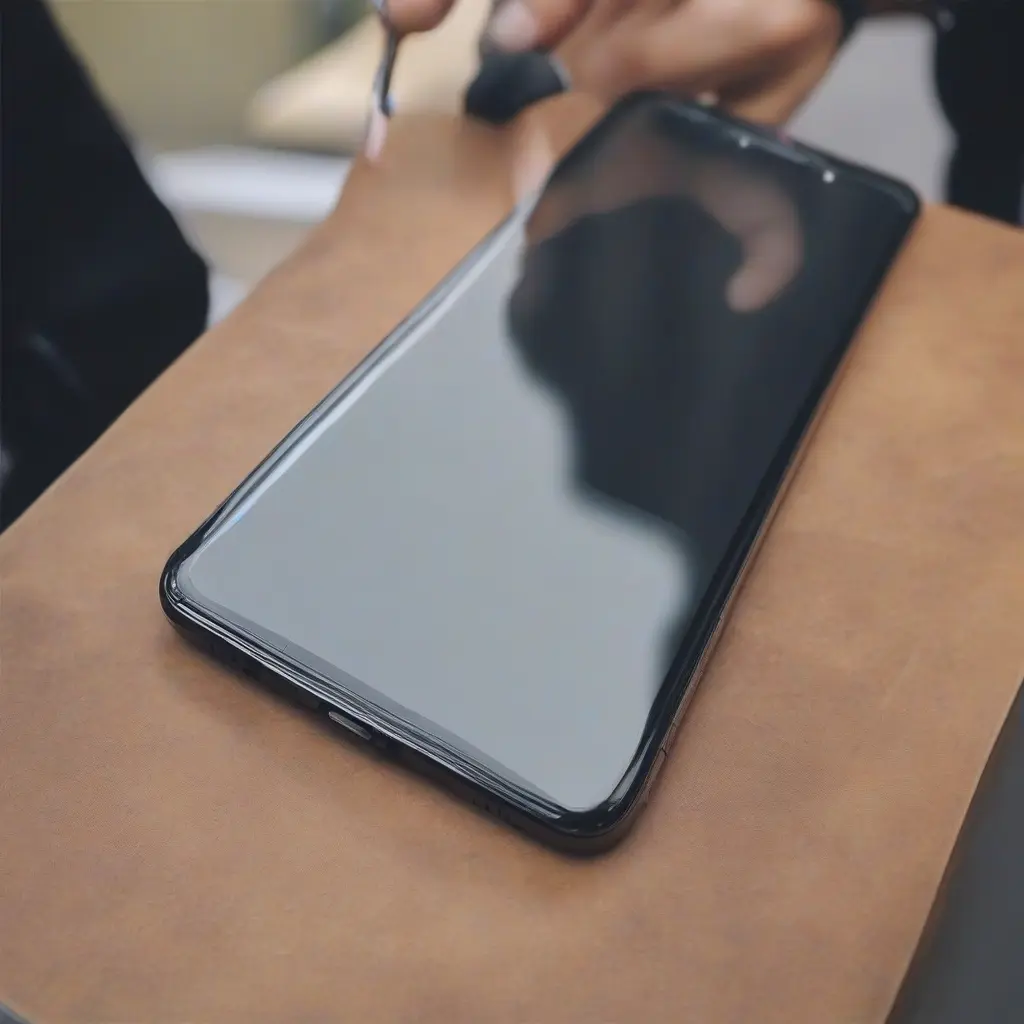
As smartphone technology evolves, so does the importance of safeguarding these valuable devices. Among the various protective accessories available, screen protectors often come to mind for their capacities to shield screens from scratches and damage. However, a common question arises: is there such a thing as a scratch-proof screen protector? In this article, we will explore the reality behind scratch-proof claims, the materials used in screen protectors, and provide guidance on selecting the right protector for your specific needs.
Understanding Scratch Resistance
Scratch resistance refers to a material’s ability to withstand scratches without sustaining visible damage. This characteristic is particularly important for screen protectors, which are designed to absorb impacts and prevent scratches from everyday use. Manufacturers often utilize materials like tempered glass and plastic polymers, which have varying levels of resilience. While no material can claim to be entirely scratch-proof, some are significantly more resistant to wearing and scratching, making them better options for protecting your device screens.
Types of Screen Protectors Available
There are primarily two types of screen protectors widely available: tempered glass and plastic film. Tempered glass offers superior scratch resistance and shatter protection because it’s made from heated and cooled glass, which increases its strength. Conversely, plastic film is flexible, less expensive, and offers moderate scratch protection but may not hold up as well against heavier impacts. Understanding the differences between these types can help consumers make informed choices based on their lifestyles and device usage.
The Myth of Scratch-Proof Technology
The term ‘scratch-proof’ is often misused in marketing language, leading to misconceptions about the effectiveness of certain screen protectors. While some products claim to be scratch-proof, they may only be highly scratch-resistant. Testing conditions vary, and wear and tear in everyday life can quickly prove most protectors inadequate against sharp objects or rough surfaces. When shopping, it’s crucial to be skeptical of any claims and understand that even the best protectors have limitations.
Common Materials Used in Screen Protectors
Different materials contribute to the performance of screen protectors. Tempered glass is celebrated for its robustness, while PET (polyethylene terephthalate) and TPU (thermoplastic polyurethane) are common in plastic options. PET is rigid and allows for good visibility but isn’t as protective as TPU, which is thicker and more flexible, making it a great choice for rugged use. Each material’s unique properties influence how well it can resist scratches and impacts, and knowing these can aid consumers in selecting the right product.
Testing Scratch Resistance
The scratch resistance of screen protectors can be tested using the Mohs hardness scale, which ranks materials based on their resistance to scratching. Common smartphone screens usually rank around 5.5 on this scale, while high-quality tempered glass screen protectors can reach up to 9. However, this doesn’t guarantee they are completely untouchable. Imperfections in application, underlying conditions, or misuse may still lead to scratches, making it essential for users to approach their care with realism.
Factors Affecting Durability
Several factors can influence the durability of screen protectors, including the environment, handling habits, and frequency of use. For instance, individuals who place their devices in pockets with keys and coins may subject their screens to unnecessary wear. Similarly, exposure to extreme temperatures or humidity can weaken the adhesive used in installation, leading to bubbling or lifting. Awareness of these factors can help users extend the life of both their screen protectors and devices.
User Maintenance for Prolonged Protection
Proper maintenance can significantly enhance screen protectors’ longevity and effectiveness. Users should regularly clean their screens with microfiber cloths to remove dust and debris that could create scratches. Additionally, applying and removing screen protectors with care will prevent accidental damage during the process. Following manufacturer instructions for installation is critical, as a poorly applied protector can develop bubbles, reducing its performance and aesthetic appeal.
Considerations When Shopping for Screen Protectors
When shopping for screen protectors, consumers should consider their lifestyle, device usage, and the environments in which they use their devices. Individuals who frequently engage in outdoor activities or manual labor may benefit more from rugged, heavy-duty screen protectors designed to withstand the elements. Conversely, users who primarily use their devices in controlled environments may prioritize clarity and touch sensitivity when choosing lighter-weight films or glass protectors.
Conclusion
In conclusion, while there is no such thing as a truly scratch-proof screen protector, several options offer excellent scratch resistance and protection for your devices. By understanding the types of materials available, their properties, and the importance of proper maintenance, consumers can make informed decisions that enhance the longevity and functionality of their smartphone screens. Ultimately, the choice of screen protector should align with personal usage habits and the level of protection desired.
