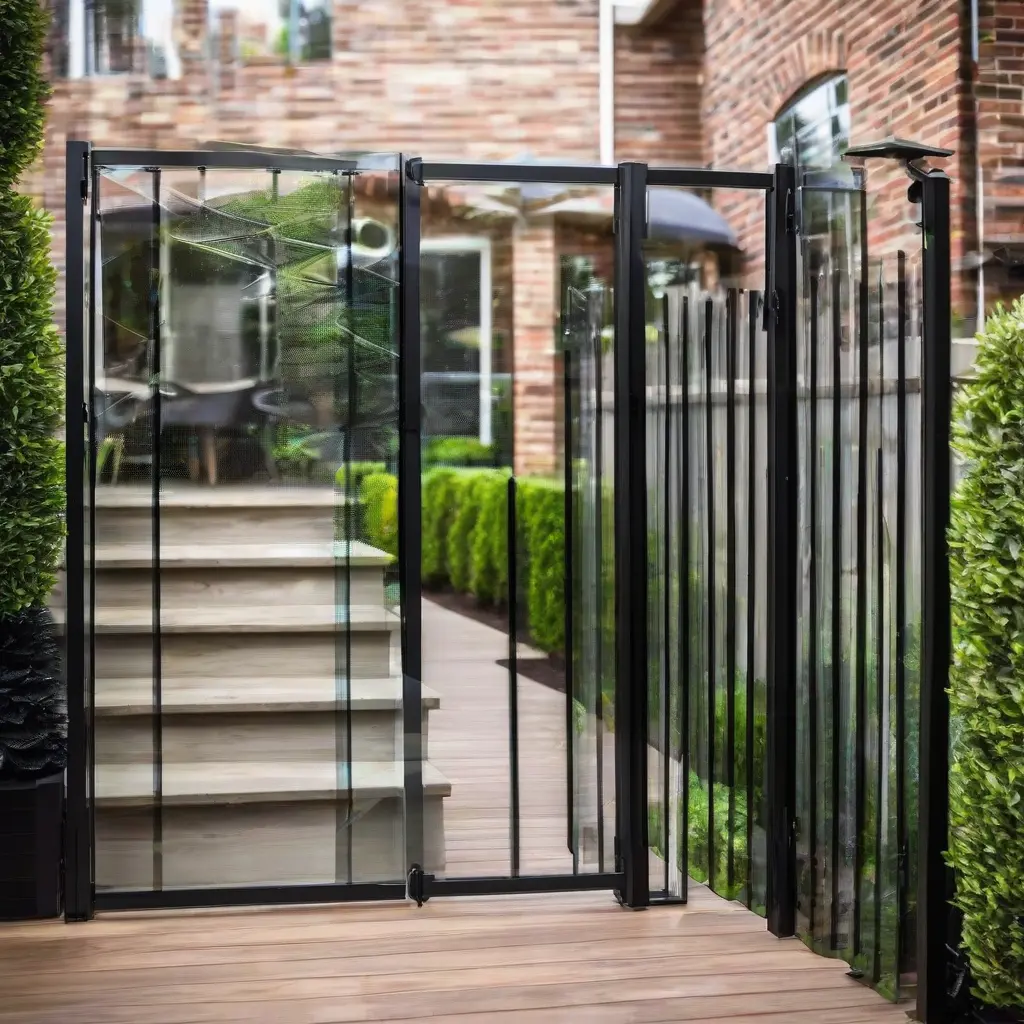
Tempered glass fencing has become increasingly popular for homeowners seeking a stylish yet functional way to enhance their outdoor spaces. Offering a modern aesthetic and practical benefits, this type of fencing comes with unique advantages and potential downsides. In this article, we will explore the various pros and cons of installing tempered glass fencing in your backyard to help you make an informed choice. Understanding these factors can aid in deciding if this investment aligns with your aesthetic preferences and practical needs.
Enhanced Aesthetic Appeal
One of the most significant advantages of tempered glass fencing is its enhanced aesthetic appeal. Unlike traditional fencing materials like wood or metal, tempered glass offers a sleek, modern look that can complement any backyard design. This transparency allows for uninterrupted views of your landscape, making your outdoor space feel larger and more open. Homeowners often appreciate how this type of fencing reflects light, adding a touch of elegance that can elevate the overall atmosphere of their gardens and patios.
Safety and Durability
Safety is another critical advantage of tempered glass fencing. The glass is treated through a heating and cooling process that makes it much stronger than standard glass, reducing the risk of breakage. Should it break, it shatters into small, blunt pieces, minimizing the risk of injury. Additionally, this robustness ensures that the fencing withstands harsh weather conditions, such as high winds and heavy rain, making it a durable option for long-term use. Its resistance to corrosion also makes it suitable for areas near pools or coastal environments.
Low Maintenance Requirements
Tempered glass fencing typically requires minimal maintenance compared to other fencing types. Unlike wood, which may need periodic staining or sealing, glass can usually be cleaned with just soap and water. This ease of maintenance is especially appealing for busy homeowners who prefer spending their leisure time enjoying their outdoor spaces rather than working on them. Regular cleaning will help maintain its clarity and sleek appearance, ensuring that the fence remains a beautiful part of your backyard for years.
Increased Property Value
Installing tempered glass fencing can potentially increase your property value, thanks to its modern and sophisticated look. Many homebuyers are attracted to properties featuring unique designs and high-quality materials. A well-installed tempered glass fence can showcase your backyard effectively and enhance the overall curb appeal of your home. Therefore, this fencing type can serve as a worthwhile investment that pays off if you decide to sell your home in the future.
Privacy Concerns
While tempered glass fencing offers numerous advantages, it’s essential to consider the potential privacy concerns associated with it. The transparent nature of glass can allow neighbors or passersby to see into your backyard, which may not be ideal for everyone. For those seeking seclusion in their outdoor spaces, this fencing type might feel lacking. Various decorative films or frosted glass options exist to mitigate this issue, but homeowners must balance aesthetics with their privacy needs.
Higher Initial Cost
One of the notable drawbacks of tempered glass fencing is its higher initial cost compared to conventional fencing materials. The manufacturing process and the materials used contribute to its expense, making it a more significant investment upfront. This factor may deter some homeowners, especially those on a tight budget. However, considering the long-term benefits, such as durability and low maintenance, many find that the investment pays off over time, both in aesthetics and property value.
Installation Complexity
Installing tempered glass fencing can be more complex than other types of fencing due to the need for precise measurements and special supports. Unlike wooden or chain-link fences that can be easier to install DIY-style, glass requires professional installation for the best results. This complexity may contribute additional costs to the project, as hiring a skilled contractor is advisable to ensure proper installation and safety. Therefore, homeowners should factor in these additional expenses when planning for their fencing project.
Temperature Sensitivity
Tempered glass is more sensitive to extreme temperature changes compared to other materials. While it is designed to withstand heat and cold, rapid shifts in temperature can lead to potential issues like thermal stress. Homeowners in regions with extreme weather fluctuations may need to account for this factor when considering their installation. Proper installation techniques and maintenance can help minimize these risks, but awareness is critical for ensuring the longevity of the glass fencing.
Security Considerations
While tempered glass fencing can provide a clear boundary, it may not deliver the same level of security as solid fences. Intruders may find it easier to scale or breach compared to wood or metal options, which can be challenging to climb over. Homeowners should evaluate their security needs and consider complementing glass fencing with additional security measures such as motion sensors, lighting, or spike toppings to enhance safety. Overall, understanding how much security you require is vital when selecting the type of fencing.
Conclusion
In summary, tempered glass fencing presents a range of advantages and disadvantages that homeowners should consider before making a decision. While its aesthetic appeal, durability, and low maintenance are appealing, issues related to privacy, cost, and installation complexity shouldn’t be overlooked. Weighing these factors can help you determine if tempered glass fencing is the right choice for enhancing your backyard space.
