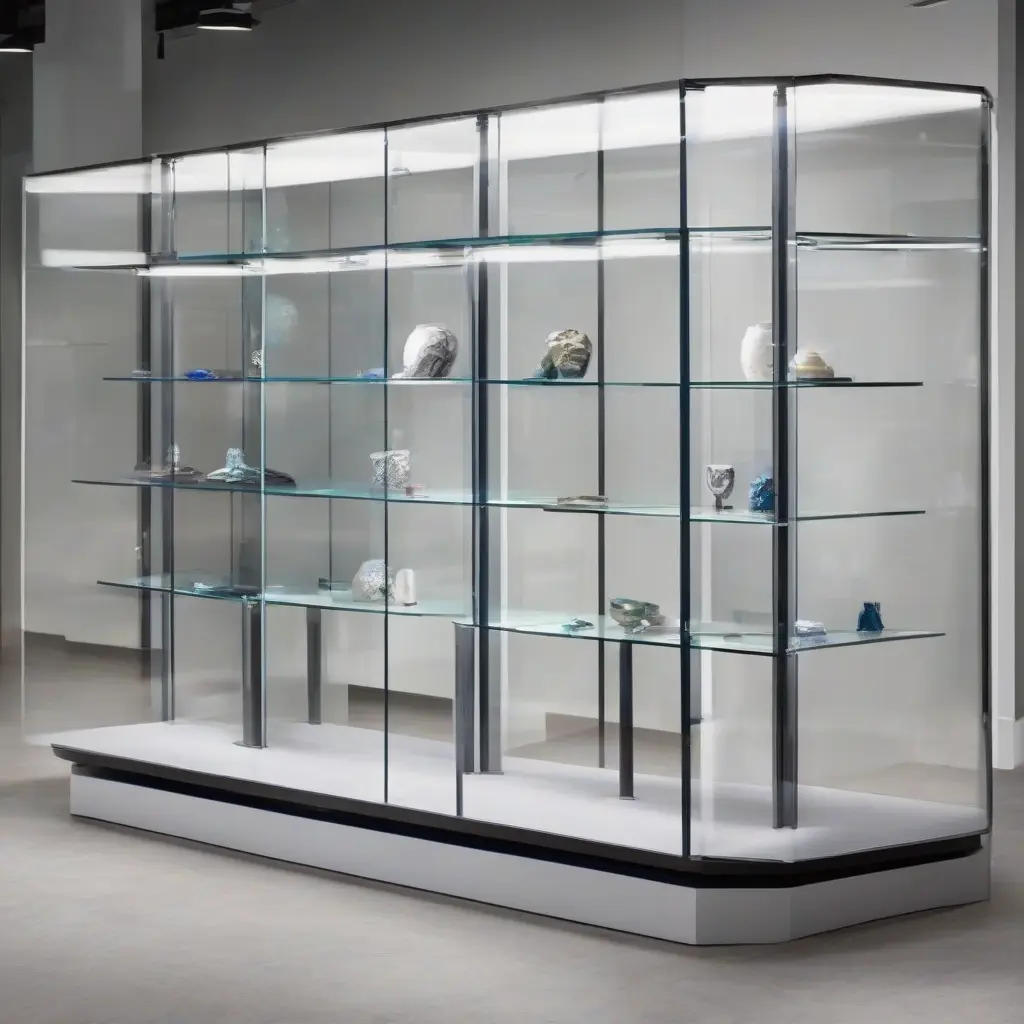
Choosing the right tempered glass for your retail display is essential for both aesthetics and safety. With various options available, understanding the different types and their properties can help ensure you make an informed decision. This guide aims to provide a comprehensive overview of the factors to consider when selecting tempered glass, so your displays not only look appealing but also meet safety standards. By following this step-by-step guide, you can enhance your retail environment while ensuring your products are showcased effectively.
Understanding Tempered Glass
Tempered glass is a type of safety glass that has been treated through controlled thermal processes to increase its strength. Unlike regular glass, tempered glass is designed to resist impact, thermal stress, and accidental breakage. When broken, it shatters into small, blunt pieces, reducing the risk of injury, making it ideal for retail displays. Understanding these characteristics and their safety benefits is crucial when deciding on materials for your store.
Benefits of Using Tempered Glass in Retail Displays
Using tempered glass in retail displays offers numerous benefits, including enhanced durability and aesthetic appeal. Its resistance to scratching and its clarity ensure that products are beautifully showcased, attracting customers’ attention. Additionally, tempered glass can withstand high temperatures and sudden changes in temperature, making it an excellent choice for environments that may experience such conditions. These features not only enhance the customer experience but also provide peace of mind regarding safety.
Types of Tempered Glass Available
Various types of tempered glass are available for retail displays, each catering to different needs. Clear tempered glass is the most common choice, providing maximum visibility and illumination. Tinted options are also available to reduce glare and enhance aesthetic appeal, while frosted or textured surfaces can add an element of sophistication. Understanding the different types allows you to select the best fit for your specific display requirements.
Assessing Thickness Requirements
The thickness of tempered glass plays a significant role in its strength and application. For retail displays, a thickness of 1/4 inch to 1/2 inch is typically recommended, depending on the size and weight of the items displayed. Thicker glass can provide additional safety and stability but may come at a higher cost. Assessing the needs of your display and the intended products will help you determine the appropriate thickness for optimal performance.
Considering Edge Finishes
Edge finishes are an essential aspect of tempered glass that can affect both aesthetics and safety. Polished edges provide a sleek look but may not be as safe as rounded or beveled edges, which help minimize the risk of injury. When selecting tempered glass for your display, consider how the edge finish complements your retail environment while ensuring safety for both staff and customers.
Evaluating Safety Standards and Certifications
It’s crucial to evaluate safety standards and certifications when selecting tempered glass for retail displays. Look for products that adhere to industry standards such as ANSI Z97.1 or ASTM C1048, which ensure the glass meets rigorous safety criteria. Verification of these certifications not only guarantees product quality but also protects your business from liability in case of accidents. Safety should always be a top priority in your selection process.
Budget Considerations for Tempered Glass
Budget is a significant factor when selecting tempered glass for retail displays. While investing in high-quality tempered glass can be more expensive upfront, it typically offers greater durability and safety, leading to long-term cost savings. Ensure to factor in the cost of installation and potential maintenance, as well. By weighing initial costs against lifetime benefits, you can make a more informed choice that aligns with your budget.
The Importance of Professional Installation
Professional installation of tempered glass is crucial for ensuring safety and longevity. Skilled installers understand the specific requirements and challenges associated with tempered glass, which can be quite different from regular glass. Proper fitting and sealing not only enhance the display’s aesthetic appeal but also prevent potential accidents. Choosing professionals with experience in tempered glass installation can save you time and additional costs over time.
Maintenance Tips for Tempered Glass Displays
Maintaining tempered glass displays is essential for preserving their clarity and longevity. Routine cleaning with non-abrasive solutions can prevent scratches while ensuring a pristine appearance. It’s important to regularly inspect the glass for any signs of damage or wear. Addressing potential issues early can prolong the lifespan of the glass and maintain the overall presentation of the displays in your retail environment.
Custom Options for Unique Display Needs
For retailers with unique display requirements, many manufacturers offer custom tempered glass options. These can include special shapes, sizes, or finishes tailored to fit specific branding needs. Custom solutions allow you to create a distinctive look that aligns with your store’s identity while ensuring the safety and functionality of your displays. Collaborating with suppliers experienced in custom orders can yield outstanding results.
Future Trends in Retail Display Glass
As technology evolves, so do the materials used in retail display designs. Future trends indicate a rise in the incorporation of smart glass technologies, which can offer features such as adjustable opacity for privacy or enhanced UV protection. Understanding these trends can help retailers stay ahead in creating innovative displays that captivate customers while maintaining safety and functionality.
Conclusion
Selecting the best tempered glass for your retail display involves a systematic approach that considers safety, design, and functionality. By understanding the types, benefits, and specifications of tempered glass, you can make informed decisions that enhance your retail environment. With careful evaluation and planning, your displays can effectively showcase products while ensuring the safety of both customers and staff.
