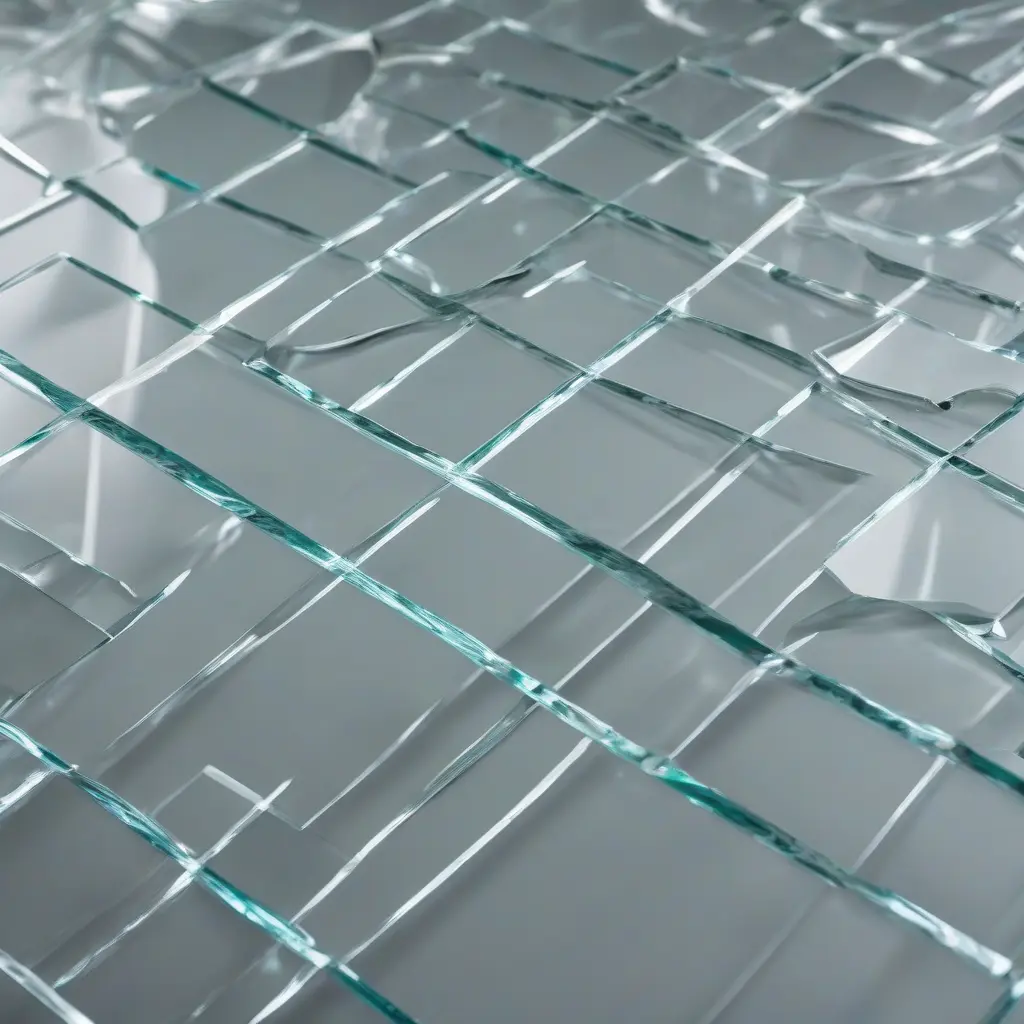
Tempered glass is known for its strength and safety, but its breakage patterns can vary significantly based on external factors. Understanding these patterns is crucial for architects, builders, and consumers alike. Unlike standard glass, tempered glass is designed to shatter into small, blunt pieces, reducing the risk of injury. This article delves into the various breakage patterns of tempered glass, the science behind its behavior under stress, the implications for safety, and what users need to consider during installation. By gaining insight into these aspects, stakeholders can make informed decisions regarding the use and application of tempered glass in different contexts.
What is Tempered Glass?
Tempered glass is a type of safety glass that has been heat-treated to increase its strength. The process involves heating the glass to high temperatures and then rapidly cooling it, a procedure known as quenching. This process not only enhances its strength but also alters its internal structure, helping it withstand greater impact and thermal stress compared to regular glass. Understanding the characteristics of tempered glass is essential for both consumers and industry professionals, as it determines how the glass behaves under various conditions, including potential breakage.
The Science Behind Breakage Patterns
The breakage patterns of tempered glass are primarily influenced by the internal stresses that develop during the manufacturing process. When the glass experiences impact or temperature changes, these stresses can lead to specific breakage patterns. Research shows that tempered glass typically breaks into small, cubical pieces that are less likely to cause serious injury, as opposed to sharp shards formed by untreated glass. This behavior is essential in applications where safety is a concern, such as in building facades and vehicle windows.
Common Causes of Tempered Glass Breakage
Tempered glass can break due to various factors, including thermal stress, impact damage, and manufacturing defects. Thermal stress occurs when there is a significant temperature difference across the surface of the glass, which can lead to cracking. Impact damage, on the other hand, can result from objects hitting the glass, especially at its edges. Additionally, manufacturing defects, such as inclusions or improper cooling rates, can also predispose tempered glass to premature failure. Understanding these causes helps in preventing accidents and designing user-safe installations.
Types of Breakage Patterns
There are several types of breakage patterns associated with tempered glass, each indicating different levels of stress and impact. The most common patterns include radial cracks, which radiate from the point of impact, and concentric rings that form around the fracture. These patterns can provide insight into the force applied and the area affected. Additionally, when a tempered glass panel breaks, the resulting small pieces can scatter widely, which is a key safety feature, minimizing the risk of sharp injuries.
Implications for Building Design
The unique breakage patterns of tempered glass have significant implications for building design and architecture. Architects often specify tempered glass in high-traffic areas or places requiring high-impact resistance due to its safety features. Understanding how this glass behaves under stress can influence design decisions, such as the thickness of the glass, installation methods, and the use of protective frames. Moreover, the aesthetic qualities of tempered glass can enhance modern architectural designs, making it a preferred material for façades and interior features.
Safety Considerations and Regulatory Standards
When using tempered glass in construction, it is essential to consider safety regulations and standards that vary by region. Various organizations set guidelines for glass products, ensuring they meet specific performance criteria, including breakage resistance and fragmentation behavior. Compliance with these standards helps prevent accidents and injuries, making it imperative for builders and manufacturers to stay informed about the latest safety requirements. Additionally, educating consumers about these standards can enhance awareness and encourage safer practices in installation and maintenance.
Maintenance and Inspection of Tempered Glass
Regular maintenance and inspection of tempered glass installations are crucial for ensuring safety and longevity. Although tempered glass is more resistant to breakage than ordinary glass, it can still be subject to scratches or imperfections that may compromise its integrity. Periodic inspections allow homeowners and facility managers to identify any issues proactively and address them before they lead to failure. Cleaning methods, too, should be chosen carefully to avoid damaging the surface. Adopting best practices for maintenance can significantly extend the lifespan of tempered glass products.
Innovations in Tempered Glass Technology
Innovations in tempered glass technology continue to improve its safety and performance features. Developments such as laminated tempered glass, which combines layers of glass with an interlayer, enhance impact resistance and overall durability. Additionally, advancements in manufacturing processes allow for greater customization and precision in producing tempered glass products. These innovations not only cater to the aesthetic preferences of modern architecture but also respond to evolving safety standards, making tempered glass a more versatile option for various applications.
The Role of Environmental Factors
Environmental factors play a crucial role in the breakage patterns of tempered glass. Conditions such as humidity, temperature fluctuations, and exposure to sunlight can affect the structural integrity of the glass over time. For instance, extreme temperature variations can lead to thermal stress, while persistent moisture may introduce corrosion that weakens the glass’s edges. Understanding these environmental influences is essential for architects and builders, as it can inform material selection and installation practices that enhance the overall resilience and longevity of tempered glass installations.
Conclusion
In summary, understanding the breakage patterns of tempered glass is vital for ensuring safety and maximizing its benefits in construction and design. From recognizing the science behind these patterns to considering the implications for building design, maintenance, and environmental factors, all these elements contribute to informed decision-making. It is essential for stakeholders in the industry to stay updated on advancements and best practices concerning tempered glass, enabling safer and more efficient applications across various sectors.
