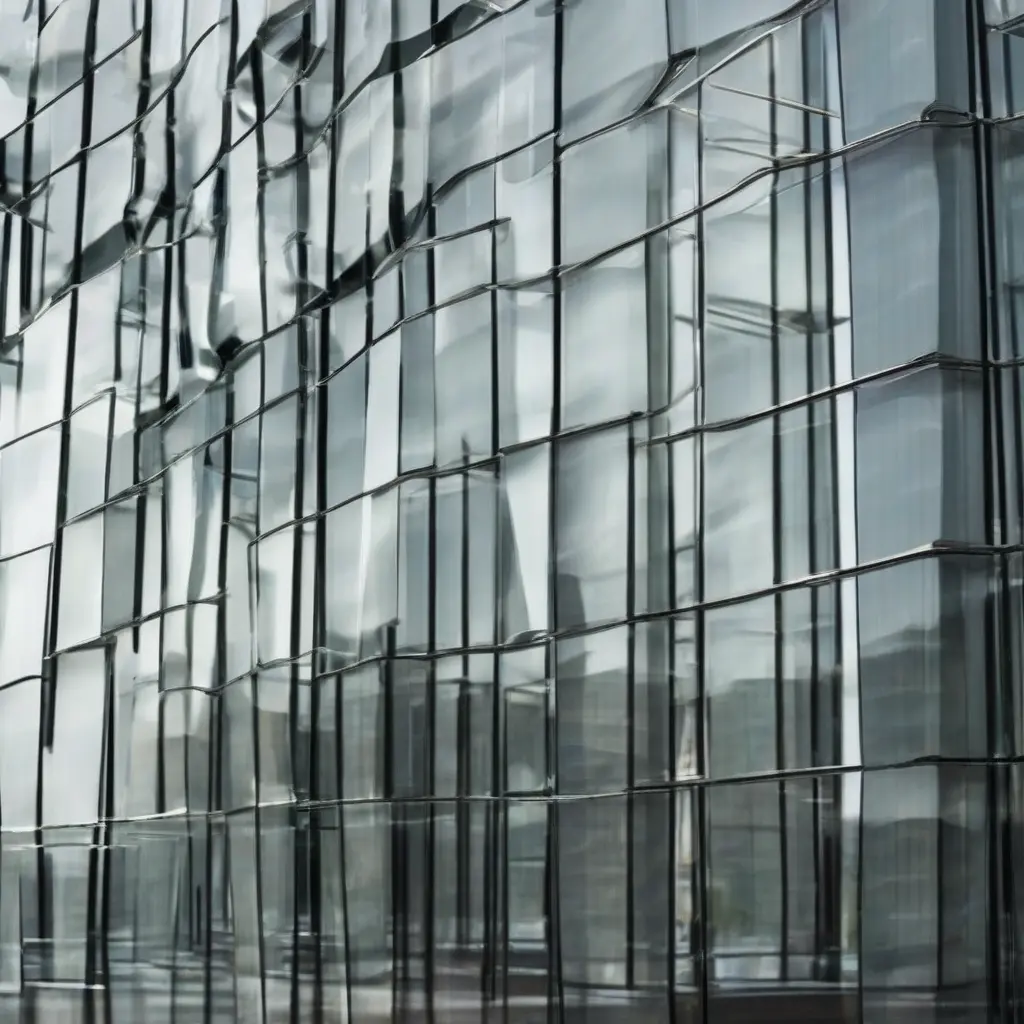
Tempered glass panels are becoming increasingly popular due to their strength, safety, and versatility. Understanding the different shapes and sizes of tempered glass is essential for architects, designers, and consumers alike. This guide explores the various forms these panels can take, their unique applications, and essential factors to consider when selecting tempered glass for specific projects. With the right knowledge, you can make informed choices that enhance both functional and aesthetic aspects in your space.
What is Tempered Glass?
Tempered glass, also known as toughened glass, undergoes a unique thermal treatment process, enhancing its strength compared to regular glass. This process involves heating the glass to high temperatures and then rapidly cooling it. The result is a product that can withstand significant impact and thermal stress, making it suitable for a range of applications. In addition to its strength, tempered glass is safer because if it breaks, it shatters into small, blunt pieces rather than sharp shards, minimizing the risk of injury.
Common Shapes of Tempered Glass Panels
Tempered glass panels come in various shapes, depending on their intended use. The most common shapes include rectangular, square, and custom designs that can fit specific architectural elements. Rectangular and square panels are often utilized in storefronts, windows, and doors because they provide an easy fit into standard frames and structures. Custom shapes are increasingly popular in modern buildings, allowing for unique design features such as curved or angled glass that contribute to innovative architectural aesthetics.
Sizes of Tempered Glass Panels
The sizes of tempered glass panels can vary significantly based on their application. Standard sizes often range from 10 inches to several feet, accommodating everything from small bathroom windows to large curtain walls in commercial buildings. Custom sizes can also be manufactured to meet specific design specifications. It’s crucial to measure accurately to ensure proper fitting and support, as well as to adhere to relevant building codes when selecting sizes for various projects.
Applications of Tempered Glass Panels
Tempered glass panels are widely used in various applications due to their strength and safety features. Common uses include windows, shower doors, glass partitions, and facades. In addition, they are found in furniture, such as tables and cabinets, where aesthetic appeal and durability are crucial. The ability to customize both shape and size allows designers and architects to integrate tempered glass seamlessly into modern architecture, enhancing both functionality and aesthetic appeal.
Benefits of Using Tempered Glass
The use of tempered glass panels offers numerous benefits, particularly in safety and durability. Its enhanced strength makes it capable of withstanding greater force and changes in temperature compared to regular glass. Additionally, tempered glass is often designed to resist scratches and impacts, making it a long-lasting option for both residential and commercial applications. Its safety features, which prevent hazardous shards upon breakage, add an extra layer of protection, particularly in environments where children or pets are present.
Factors to Consider When Choosing Tempered Glass
When selecting tempered glass panels, several factors must be considered to ensure they meet specific project requirements. The thickness of the glass is crucial, as thicker panels generally offer enhanced durability, while thinner options may be suitable for less demanding applications. Additionally, the type of tempering process can affect the glass’s strength and resistance to impacts. Lastly, understanding local building codes and regulations regarding glass use is essential for compliance and safety.
Maintenance of Tempered Glass Panels
Maintaining tempered glass panels is relatively straightforward, primarily revolving around routine cleaning and inspection. Regular dusting and cleaning with appropriate glass cleaners will keep surfaces clear and visually appealing. It’s also important to periodically check for any signs of damage, such as chips or cracks, which can compromise structural integrity. By adhering to simple maintenance practices, you can prolong the lifespan of tempered glass panels while ensuring their safety and aesthetic appeal remains intact.
Trends in Tempered Glass Design
The design of tempered glass panels is evolving, with trends leaning toward more innovative and artistic applications. Architectural designs now often incorporate larger, custom-shaped panels that allow for seamless transitions between indoor and outdoor spaces. Additionally, frosted or tinted tempered glass is gaining popularity for its aesthetic and functional benefits, such as privacy and UV protection. These trends reflect a growing appreciation for the versatility of tempered glass in contemporary architecture and interior design.
Conclusion
In summary, understanding the different shapes and sizes of tempered glass panels is essential for those involved in design and construction. Their unique properties and diverse applications make them suitable for a wide range of projects, from residential to commercial. By considering the various factors highlighted, including maintenance and design trends, you can make informed decisions that enhance both the safety and beauty of your environment.
