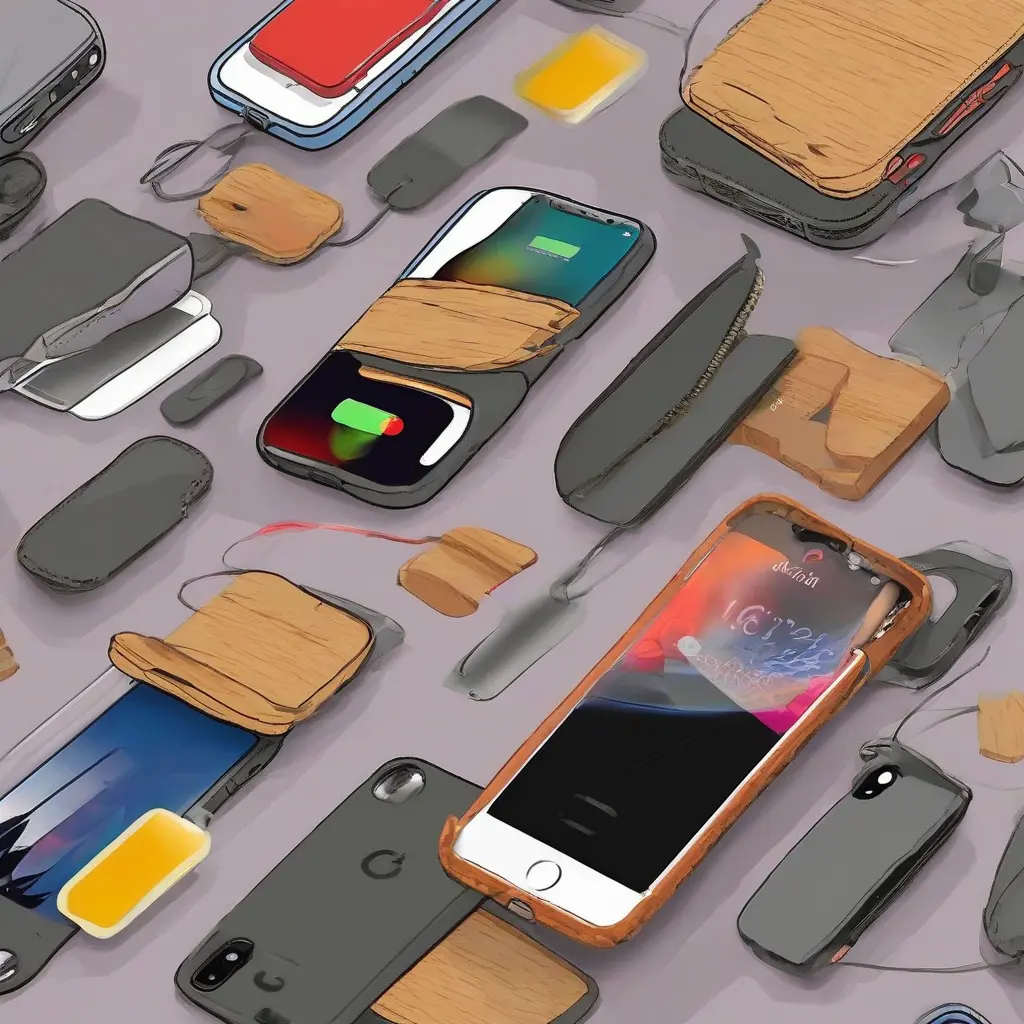
Choosing the right phone case can be crucial for both protection and functionality, especially when you want to enjoy the benefits of wireless charging. Many consumers face the dilemma of selecting cases that not only provide adequate protection but also allow for wireless charging. In this guide, we will delve into the features you need to consider in a phone case that won’t block wireless charging, ensuring you get the best of both worlds.
Understanding Wireless Charging Technology
Wireless charging uses electromagnetic fields to transfer energy between two objects, typically a charging pad and a phone equipped with the necessary technology. This process relies on coils within the phone and charger that generate an alternating magnetic field. Understanding this technology is essential in selecting a phone case that doesn’t interfere with the charging process. Cases that are too thick or made from certain materials can obstruct the magnetic field, leading to inefficiencies in charging.
Material Matters: Choosing the Right Case
When it comes to the materials used in phone cases, certain types are more conducive to wireless charging than others. Cases made from silicone, TPU (thermoplastic polyurethane), and soft plastics tend to allow for efficient wireless energy transfer. Conversely, metal or rugged cases designed for maximum protection may block the charging signal. Therefore, opting for lighter, less dense materials can make a significant difference in wireless functionality.
Case Thickness: Finding the Optimal Balance
The thickness of a phone case can greatly influence its compatibility with wireless charging. Thin cases, around 1mm to 2mm, usually allow the magnetic field to pass through without significant resistance. However, a case that is too thin may not provide adequate protection against drops and bumps. It’s essential to strike a balance between protective features and the thickness required for effective wireless charging.
Design Elements to Avoid
Certain design features in phone cases can hinder wireless charging. For instance, cases with built-in metal components, such as credit card holders or external batteries, can interfere with energy transfer. Additionally, cases featuring raised edges or bulky designs may also obstruct the charging coils. Identifying and avoiding these design elements is crucial for ensuring seamless charging experiences without any hassle.
Testing Wireless Charging Compatibility
Before committing to a phone case, it’s advisable to test its compatibility with wireless charging. Many retailers allow customers to try out the case with a wireless charger before purchase. Alternatively, reading user reviews or product specifications can also provide insights into how the case performs with wireless charging. Ensuring a reliable wireless connection can prevent unnecessary frustrations down the line.
Brand Recommendations for Wireless Charging Cases
Several brands specialize in manufacturing phone cases specifically designed for seamless wireless charging. Popular names like OtterBox, Spigen, and Apple offer products that balance protection and compatibility. Many of these brands provide a range of designs and materials, ensuring that users can find options that meet their style preferences while supporting wireless charging. Researching reputable brands can lead to better purchasing decisions.
Impact on Phone Functionality
Using a case that blocks wireless charging can not only frustrate users but may also impact overall phone functionality. Wireless charging is designed to be a convenient feature; however, an incompatible case can lead to overheating or slow charging rates. For those who rely on wireless options for charging their devices, ensuring the case allows for efficient energy transfer is imperative to maintain optimal phone performance.
Future Trends in Wireless Charging Cases
As technology advances, the landscape of wireless charging is evolving, bringing about improvements in both charging speeds and case designs. Innovations such as MagSafe technology enable magnetic alignment with the charging pad, significantly enhancing efficiency. Future phone cases may incorporate advanced materials and designs specifically optimized for wireless charging, making it even easier for users to find compatible options.
The Importance of Brand Reviews
Consumer reviews provide valuable insights into the performance of various phone cases concerning wireless charging. By reading user feedback, newcomers can gather real-world usage experiences that highlight the pros and cons of specific cases. Additionally, professional reviews from tech websites can offer expert opinions on the functionality and durability of the cases, guiding consumers towards making informed choices.
Conclusion
Selecting a phone case that allows for wireless charging requires careful consideration of materials, design features, and brand reliability. By understanding how wireless charging works and recognizing the factors that influence case compatibility, users can enjoy the convenience of wireless technology without sacrificing device protection. Keeping these points in mind will help you find a case that meets your needs while ensuring uninterrupted charging capabilities.
