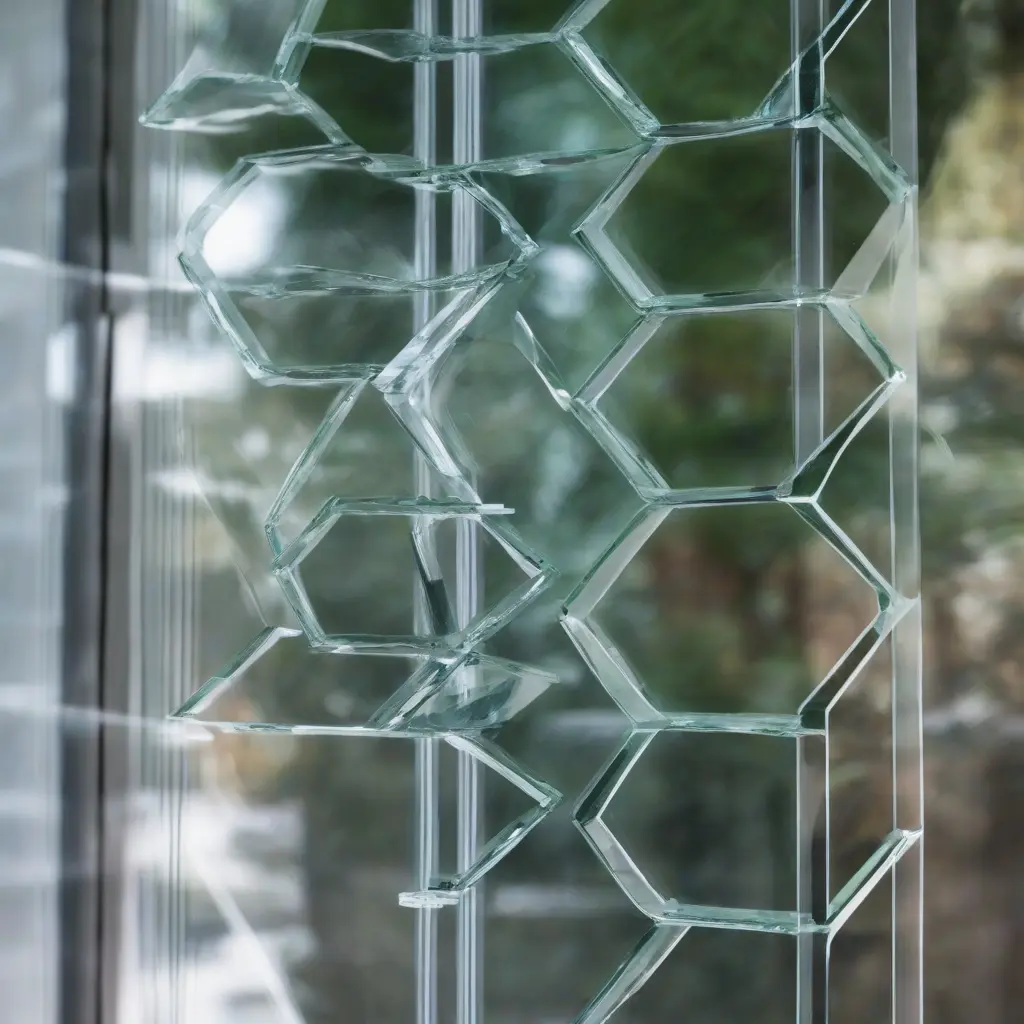
Tempered glass has emerged as a crucial component in modern security systems, known for its strength and durability. Unlike regular glass, tempered glass undergoes a heating and cooling process that makes it significantly more resilient to breakage. The demand for enhanced security in both residential and commercial properties has fueled the integration of tempered glass in various applications, from windows to doors and enclosures. This article delves into the specifics of tempered glass, its benefits, applications in security systems, and how it compares to alternative materials, providing a comprehensive understanding of its role in safeguarding our environments.
Understanding Tempered Glass
Tempered glass, also known as toughened glass, is produced through a thermal treatment process that involves heating it to over 600 degrees Celsius and then rapidly cooling it. This process increases its strength dramatically, making it about five times more resistant to impact than standard glass. Additionally, when tempered glass does break, it shatters into small, blunt pieces instead of sharp shards, significantly reducing the risk of injury. This inherent safety feature makes tempered glass a popular choice for various applications, especially where safety and security are paramount.
Benefits of Tempered Glass in Security
The benefits of tempered glass in security applications are manifold. Its increased strength makes it more difficult for intruders to break through, providing a robust barrier against forced entry. Additionally, the safety characteristics of tempered glass mean that it is less likely to cause injuries during breakage, making it a safer option in public spaces. Its resistance to thermal stress also allows it to withstand extreme temperatures, making it suitable for environments that experience fluctuating weather conditions. These features collectively contribute to the growing preference for tempered glass in advanced security systems.
Applications in Residential Security
In residential settings, tempered glass is widely used in windows, patio doors, and shower enclosures. Its strength offers homeowners peace of mind, knowing their property is less vulnerable to break-ins. Many architects and designers incorporate tempered glass into their designs due to its aesthetic appeal and ability to create seamless indoor-outdoor connections. Additionally, modern security systems, such as smart locks and cameras, often integrate with tempered glass installations, enhancing overall home safety by monitoring and controlling access. This comprehensive approach to residential security makes tempered glass an optimal choice.
Commercial Security Applications
In commercial buildings, tempered glass serves crucial functions in security and design. Storefronts often employ tempered glass in display windows to deter vandalism and theft, enabling businesses to showcase their products without compromising security. High-rise buildings utilize tempered glass in facades to provide unobstructed views while ensuring safety compliance. Furthermore, office partitions made from tempered glass offer a professional appearance while adding an element of security. The integration of tempered glass in commercial security systems not only enhances safety but also contributes to a modern aesthetic that appeals to clients and employees alike.
Comparison with Other Glass Types
When comparing tempered glass to other types of glass, such as laminated or annealed glass, the advantages of tempered glass become evident. Laminated glass, while effective at preventing shattering, can be heavier and costlier. Annealed glass, on the other hand, is less expensive but lacks the strength and safety features of tempered glass. This reinforces the notion that tempered glass offers a balanced combination of cost-effectiveness, safety, and durability, making it the preferred option for modern security systems. Its unique attributes set it apart in ensuring secure environments against various threats.
Integration with Security Technologies
The integration of tempered glass with advanced security technologies has revolutionized modern security systems. Smart locks, motion detectors, and surveillance cameras can now be seamlessly integrated with glass installations to provide comprehensive security solutions. For example, tempered glass doors or windows equipped with sensors can alert homeowners or business owners when unauthorized access is attempted. This synergy of traditional materials with cutting-edge technology enhances the overall effectiveness of security systems, making it easier to protect residential and commercial spaces from potential threats.
Cost Considerations
While tempered glass offers numerous advantages, cost is often a consideration for property owners. The manufacturing process for tempered glass can lead to a higher initial investment compared to standard glass. However, when weighing the cost against the long-term benefits of safety, durability, and potential insurance savings, tempered glass often proves to be more economical over time. Furthermore, the value added to a property by enhanced security can outweigh the initial expenditure, making it a prudent choice for those prioritizing safety.
Trends in Tempered Glass Usage
Recent trends indicate a growing popularity of tempered glass in both residential and commercial sectors. As the demand for transparent security solutions rises, more architects are designing buildings that incorporate large panes of tempered glass, which offer aesthetic appeal without compromising safety. Innovations in manufacturing are also making tempered glass more accessible and affordable, contributing to its increased usage in security systems. Moreover, the emphasis on sustainability has led to newer products that combine energy efficiency with the superior properties of tempered glass, aligning with eco-friendly practices in construction.
Future of Tempered Glass in Security
Looking ahead, the future of tempered glass in security systems appears promising. Continual advancements in technology may lead to the creation of even more robust variants with enhanced security features. As threats to security evolve, tempered glass may adapt to meet these challenges, potentially integrating smart capabilities that allow for real-time monitoring and response. Furthermore, the ongoing emphasis on safety regulations will likely bolster the demand for tempered glass, ensuring its role remains pivotal in contemporary security infrastructures.
Conclusion
In conclusion, tempered glass plays a vital role in modern security systems due to its superior strength, safety features, and aesthetic appeal. Its applications in both residential and commercial settings underscore its effectiveness in safeguarding people and property. As security needs continue to evolve, the adaptability and durability of tempered glass ensure it will remain a leader in the field, providing peace of mind to property owners and occupants alike.
