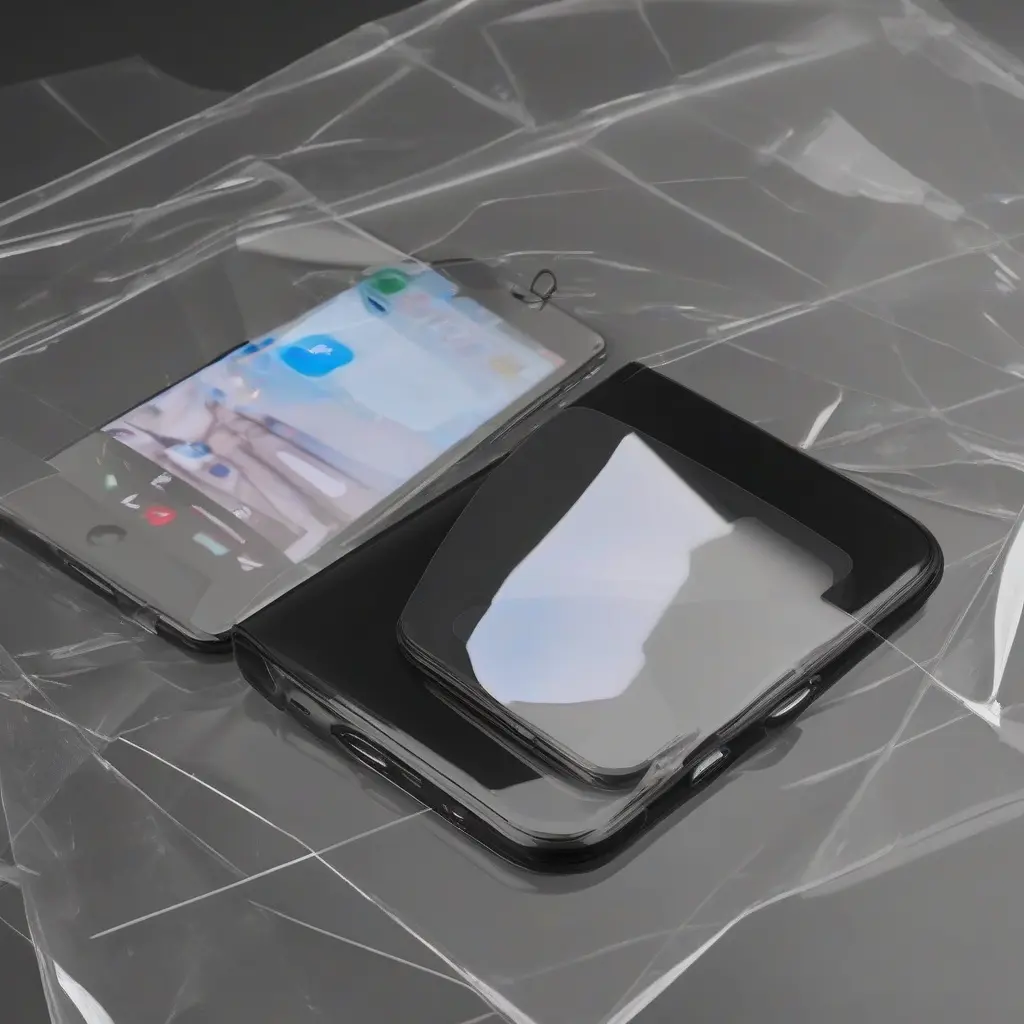
Choosing the right screen protector is crucial for safeguarding your device from scratches, cracks, and impact damage. However, with countless options on the market, identifying quality can be daunting. To ensure you make an informed decision, consider essential factors such as material type, compatibility, thickness, usability features, and customer reviews. This comprehensive guide will walk you through each element to enable you to select a screen protector that best meets your needs and preferences.
Material Types of Screen Protectors
Screen protectors typically come in three primary materials: plastic, tempered glass, and liquid. Plastic protectors, often made from PET or TPU, are lightweight and flexible, offering basic scratch protection. Tempered glass protectors provide superior durability and impact resistance, making them ideal for those prone to accidents. Liquid screen protectors, though less common, offer unique properties by forming a protective layer on the device’s screen. Understanding these materials will guide you toward selecting the most suitable protector for your lifestyle.
Compatibility with Your Device
Before purchasing a screen protector, verify its compatibility with your specific device model. Many protectors are designed specifically for particular brands and models, ensuring a snug fit and full coverage. A poorly fitting screen protector may leave parts of your screen exposed, leading to potential damage. Additionally, check for cutouts for sensors, cameras, and buttons, as these features are essential for maintaining device functionality and aesthetics.
Thickness and Protection Level
The thickness of a screen protector plays a critical role in its protection capabilities. Generally, a thickness of 0.3mm to 0.5mm is considered optimal for tempered glass protectors, balancing protection and touch sensitivity. Thicker protectors offer greater impact resistance but may compromise usability and fit. On the other hand, plastic protectors tend to be thinner, providing less impact protection but remaining lightweight. It’s essential to find a balance between protection and usability for your specific requirements.
Touch Sensitivity and Clarity
Touch sensitivity and clarity are vital elements when selecting a screen protector. High-quality tempered glass protectors maintain original screen responsiveness while providing crystal-clear visibility. Look for protectors that offer 99% transparency along with an oleophobic coating to resist fingerprints and smudges. Conversely, lower-quality protectors may hinder screen sensitivity or create a blurred experience, detracting from the overall functionality of your device. Prioritizing touch sensitivity ensures a seamless user experience.
Ease of Installation
The installation process of a screen protector can significantly affect user satisfaction. Many high-quality protectors come with easy application kits that include cleaning wipes, dust removal stickers, and installation frames. Look for screen protectors that are designed to minimize air bubbles and allow for repositioning during installation. Poorly designed protectors often lead to frustrating application experiences, impacting both the protector’s effectiveness and your device’s appearance.
Customer Reviews and Ratings
Customer reviews and ratings offer invaluable insights into the quality and performance of a screen protector. High ratings often indicate that a product meets or exceeds user expectations regarding durability, installation, and clarity. Take the time to read both positive and negative feedback, focusing on specific features and user experiences. This research can guide you toward a reliable product that aligns with your needs, enhancing your satisfaction with the purchase.
Warranty and Return Policy
Consider the warranty and return policy when selecting a screen protector. Many reputable brands offer warranties that cover manufacturing defects and performance issues. A good return policy allows you to try the product risk-free, ensuring it meets your expectations. Before making a purchase, check the details of these protections to safeguard your investment. Reliable warranties and return options are indicative of a brand’s confidence in its product’s quality and effectiveness.
Price vs. Quality
When selecting a screen protector, it’s crucial to balance price and quality. While cheaper options may seem appealing, they often compromise on durability and protection. Investing in a reputable brand generally yields better long-term results. Assess your budget while considering the protector’s material, features, and reviews. A slightly higher initial cost can lead to better protection and durability, ultimately saving you money by preventing potential screen repairs.
Compatibility with Additional Accessories
If you use additional accessories such as a phone case or a pop socket, ensure that the chosen screen protector is compatible. Some screen protectors are designed to work seamlessly with specific cases, while others may lift at the edges or bubble when combined with certain accessories. Researching user experiences with your intended accessories can help you avoid compatibility issues, ensuring that you maintain both protection and functionality.
Conclusion
Identifying quality in screen protectors requires careful consideration of various factors, including material type, compatibility, thickness, touch sensitivity, and customer feedback. By taking the time to research each element, you can make a more informed decision and protect your device effectively. A high-quality screen protector not only safeguards your device but also enhances your overall user experience.
