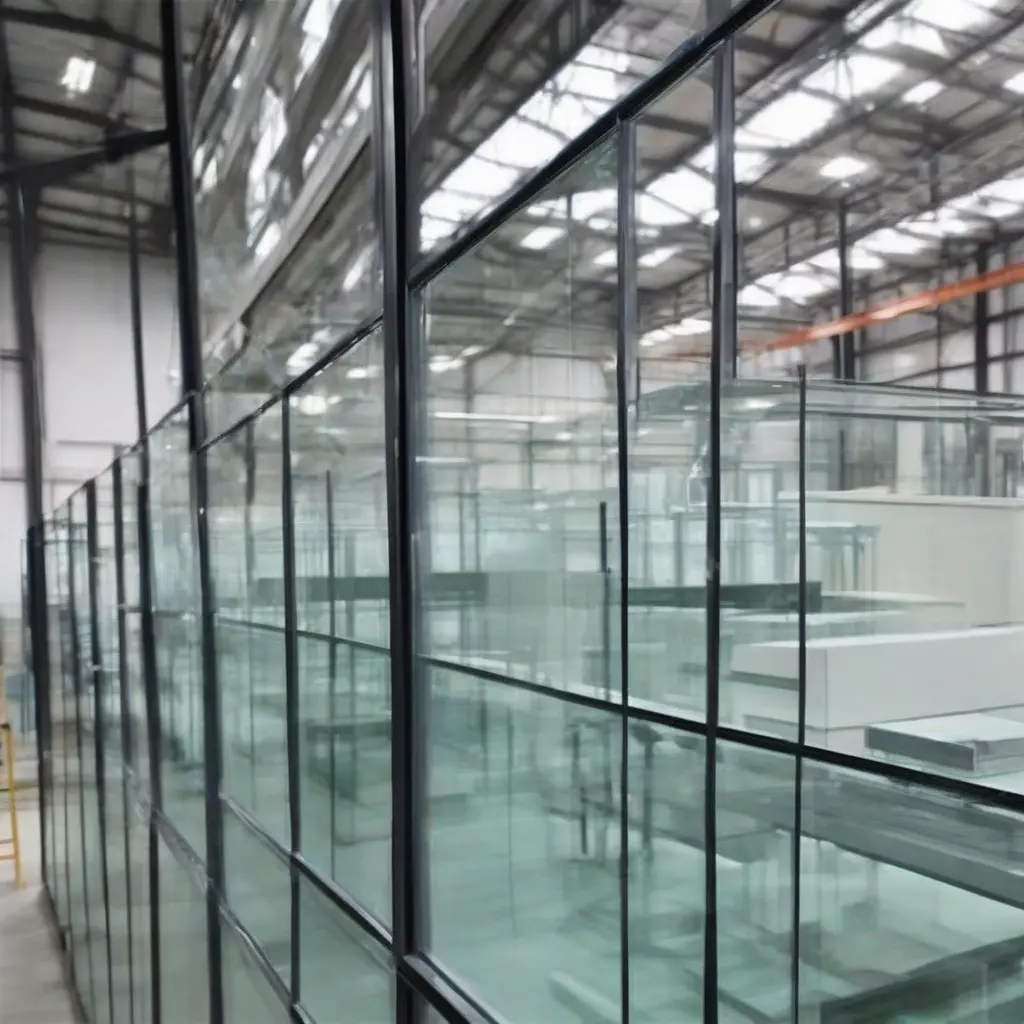
Identifying high-grade tempered glass for industrial use is crucial for ensuring safety, durability, and performance. This type of glass undergoes a specialized heating and cooling process that enhances its strength and resistance to thermal stress. However, not all tempered glass is created equal, making it vital to understand the characteristics that distinguish high-grade varieties. Knowing how to evaluate tempered glass can help businesses make informed decisions, ultimately improving safety and functionality in industrial settings.
Understand the Tempering Process
The tempering process involves heating glass to a high temperature and then rapidly cooling it, which increases its strength significantly. High-grade tempered glass is typically subjected to stringent quality controls during this process, ensuring uniform thickness and reduced internal stresses. Understanding this process allows you to assess the integrity of the glass. Factors like the heating duration and cooling rate can affect the glass’s durability, so familiarity with these engineering principles can be invaluable when choosing suitable glass for industrial applications.
Check for Certification and Standards
Assessing whether the tempered glass meets specific industry standards is essential for confidence in its quality and performance. Look for certifications from recognized organizations such as ANSI (American National Standards Institute) or ASTM (American Society for Testing and Materials). These certifications indicate that the glass has passed rigorous testing for strength, safety, and performance criteria. Without appropriate certifications, the tempered glass may not provide the reliability necessary for demanding applications, leading to potential hazards in industrial environments.
Examine Physical Characteristics
High-grade tempered glass will exhibit several distinct physical characteristics that indicate quality. First, check for uniform thickness across the entire surface; variations in thickness can signal inferior manufacturing processes. Additionally, observe the glass for any inclusions or bubbles that may compromise its structural integrity. Clear, distortion-free visibility is another essential characteristic; high-quality tempered glass should offer an unobstructed view, which is crucial in applications where visual clarity is needed. By thoroughly examining these physical traits, you can make more informed choices about the glass’s suitability for industrial use.
Assess Thermal Resistance
One of the primary applications of tempered glass is its ability to withstand temperature fluctuations and thermal stresses. High-grade tempered glass should demonstrate superior thermal resistance, typically able to endure temperatures ranging from -40 to 300 degrees Fahrenheit. To evaluate thermal resistance, inquire about the specifications provided by the manufacturer. Moreover, consider any past case studies or performance reviews that showcase the glass’s ability to cope with extreme temperatures in industrial environments. This understanding helps ensure that the glass will perform reliably under various conditions.
Perform Safety Breakage Tests
Conducting safety breakage tests can be an excellent way to evaluate the quality and durability of tempered glass. A high-grade product should break into small, blunt pieces, minimizing the risk of injury, which is crucial for industrial applications. To carry out such tests, utilize standardized methods like the impact test, where a specified weight is dropped onto the glass to assess its strength. Inability to pass these tests may indicate lower quality, making it essential to ensure your tempered glass adheres to safety standards to protect workers and property.
Evaluate Edge Quality
The quality of the edges in tempered glass plays a significant role in overall durability and safety. High-grade tempered glass typically features polished or smooth edges that prevent shattering and improve handling safety. Rough or sharp-edged glass can lead to injury or cause weaknesses that may compromise the glass’s structural integrity. Inspect the edges closely; if they appear chipped or poorly finished, it may reflect inferior manufacturing quality. High-grade options will not only perform better but also contribute to a safer working environment in industrial settings.
Consider Visual Clarity and Aesthetics
While functionality is key, visual clarity and aesthetics are also vital considerations in selecting high-grade tempered glass. The glass should ideally exhibit a clear and unobstructed view, free from distortion or tinting. High-quality tempered glass allows natural light to filter through without compromising visibility. This is particularly important in environments where accurate visual appraisal is necessary, such as manufacturing and assembly lines. When assessing tempered glass for industrial use, consider both its functional and aesthetic aspects to achieve the desired outcome in your application.
Review Manufacturer Reputation
Choosing a reputable manufacturer is essential when it comes to high-grade tempered glass. A company known for its commitment to quality will typically adhere to strict production standards and employ advanced technology in the glass-making process. Research customer testimonials, industry reputation, and any awards or recognitions the manufacturer might have received. Engaging with a reliable supplier can not only ensure that you receive high-grade tempered glass but also offers insight into warranty options and post-purchase support, giving you added confidence in your choice.
Conclusion
Identifying high-grade tempered glass for industrial use requires a comprehensive understanding of its properties, testing methods, and manufacturer reputation. By assessing factors such as the tempering process, certifications, physical characteristics, and more, you can ensure the glass you choose meets your specific industrial needs. Taking the time to evaluate these aspects will ultimately contribute to a safer and more efficient working environment, reducing risks associated with inferior glass quality.
