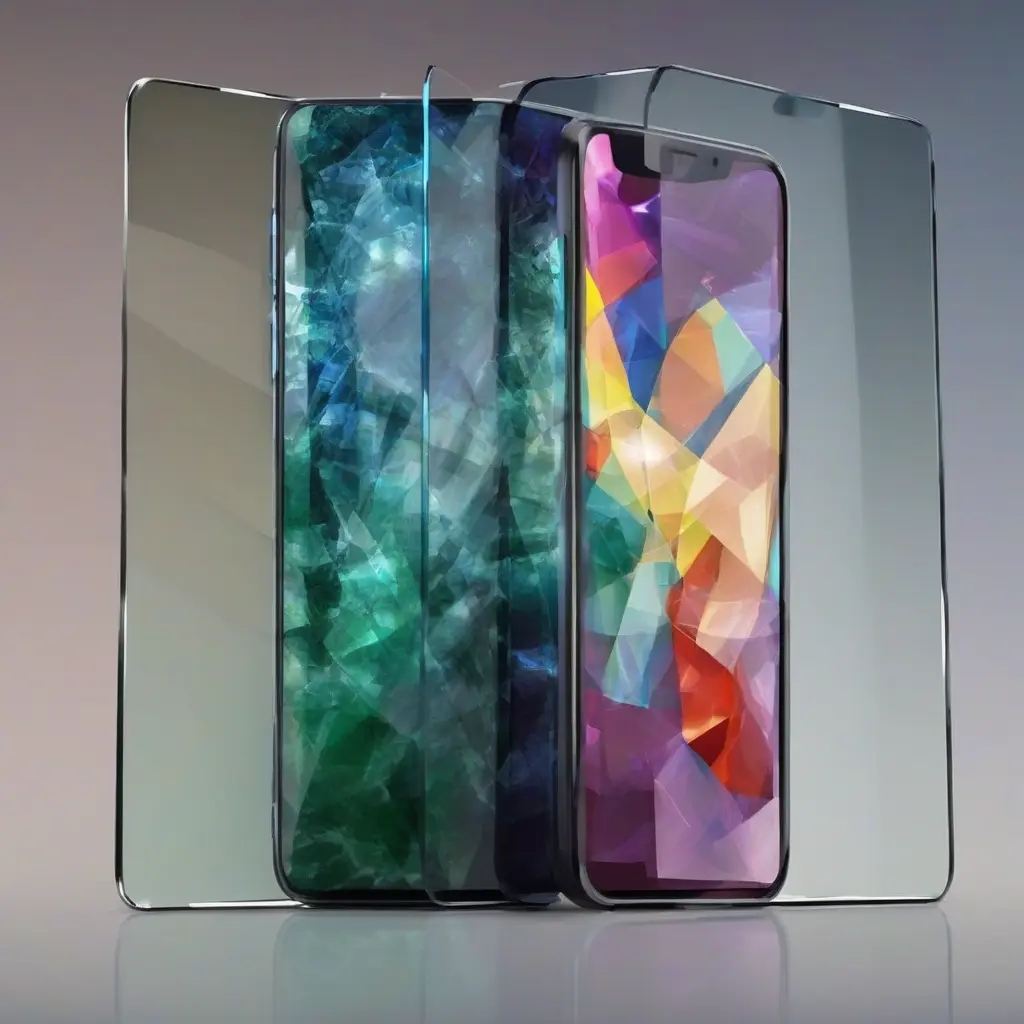
The history of tempered glass reveals its significant transformation and adaptation over the years. Initially developed in the mid-19th century, tempered glass was created to enhance the strength and safety of standard glass. This innovative material has since evolved to meet various architectural and industrial needs. Today, tempered glass is preferred for its superior durability and resistance to thermal stress, making it a staple in modern architecture, automotive, and various consumer products. This article will explore the key developments in tempered glass technology and its diverse applications.
Initial Development of Tempered Glass
Tempered glass was first commercially developed in the 1850s by French chemist Edouard Beneche. The goal was to create a glass that could withstand greater thermal stress than regular glass. The process involved heating the glass to a high temperature and then cooling it rapidly to increase its strength. In 1880, this technology was further refined, with the introduction of the ‘heat-strengthened’ glass technique. This initial development laid the foundation for what tempered glass would become—an essential material for enhancing safety and durability.
Advancements in Manufacturing Techniques
As the demand for tempered glass increased, so did advancements in manufacturing techniques. The introduction of automatic roller tempering and continuous annealing processes in the mid-20th century made the production more efficient and cost-effective. These technological improvements enabled manufacturers to produce large sheets of tempered glass, reducing waste and facilitating various applications. Consequently, this evolution paved the way for tempered glass to become a standard material in construction and automobile industries.
Safety Standards and Regulations
With the rise in popularity of tempered glass, safety standards and regulations became essential to ensure consumer protection. Organizations such as the American National Standards Institute (ANSI) established guidelines for tempered glass use in residential and commercial buildings. These regulations focus on the material’s strength, thermal resistance, and proper installation methods. Compliance with these standards has led to safer buildings and vehicles, enhancing the overall trust in tempered glass as a reliable material.
Applications in Architecture
Tempered glass has revolutionized architectural designs by offering aesthetic flexibility and safety features. Today, architects widely use tempered glass for facades, skylights, and glass walls thanks to its high strength and resistance to thermal breakage. The transparency of tempered glass enables natural light to permeate indoor spaces while offering a sleek, modern look. Moreover, its ability to withstand extreme weather conditions makes it ideal for various climatic zones, enhancing both functionality and visual appeal in contemporary architecture.
Role in Automotive Industry
The automotive industry significantly benefits from tempered glass, particularly in windshields and side windows. Tempered glass is crucial for passenger safety, as it is less likely to shatter upon impact, reducing the risk of injury. Its production for automotive use also includes rigorous testing to meet legal safety standards. Innovations like laminated tempered glass have further expanded its application, offering anti-UV properties and improving security without compromising visibility. This evolution highlights the critical role tempered glass plays in modern vehicle design.
Technological Innovations in Tempered Glass
Recent technological innovations have introduced new features in tempered glass, such as self-cleaning coatings and smart glass technology. Self-cleaning tempered glass utilizes hydrophilic and photocatalytic technologies that enable easy maintenance and keep surfaces cleaner for longer. Smart glass incorporates electrochromic elements that change opacity or color with electrical stimulation, allowing for privacy control and energy efficiency. These advancements not only enhance the functionality of tempered glass but also adapt it to the evolving needs of modern living.
Market Trends and Future Prospects
The tempered glass market continues to grow, driven by architectural and automotive advancements. The increasing demand for sustainable building materials and energy-efficient designs is pushing demand for high-performance tempered glass. Emerging technologies, such as the development of new glass compositions and coatings, promise to enhance its properties further. Analysts predict that this market will expand even more, fueled by a shift towards renewable energy solutions and eco-friendly architecture, showcasing tempered glass’s vital role in shaping sustainable futures.
Conclusion
The evolution of tempered glass over the years has been marked by significant technological advancements and a growing understanding of its applications. From its early development to its current status as a cornerstone of safety in architecture and the automotive sector, tempered glass has continuously adapted to meet consumer needs. As innovation continues, tempered glass is likely to play an even more pivotal role in the industries of tomorrow, reinforcing its importance in our daily lives.
