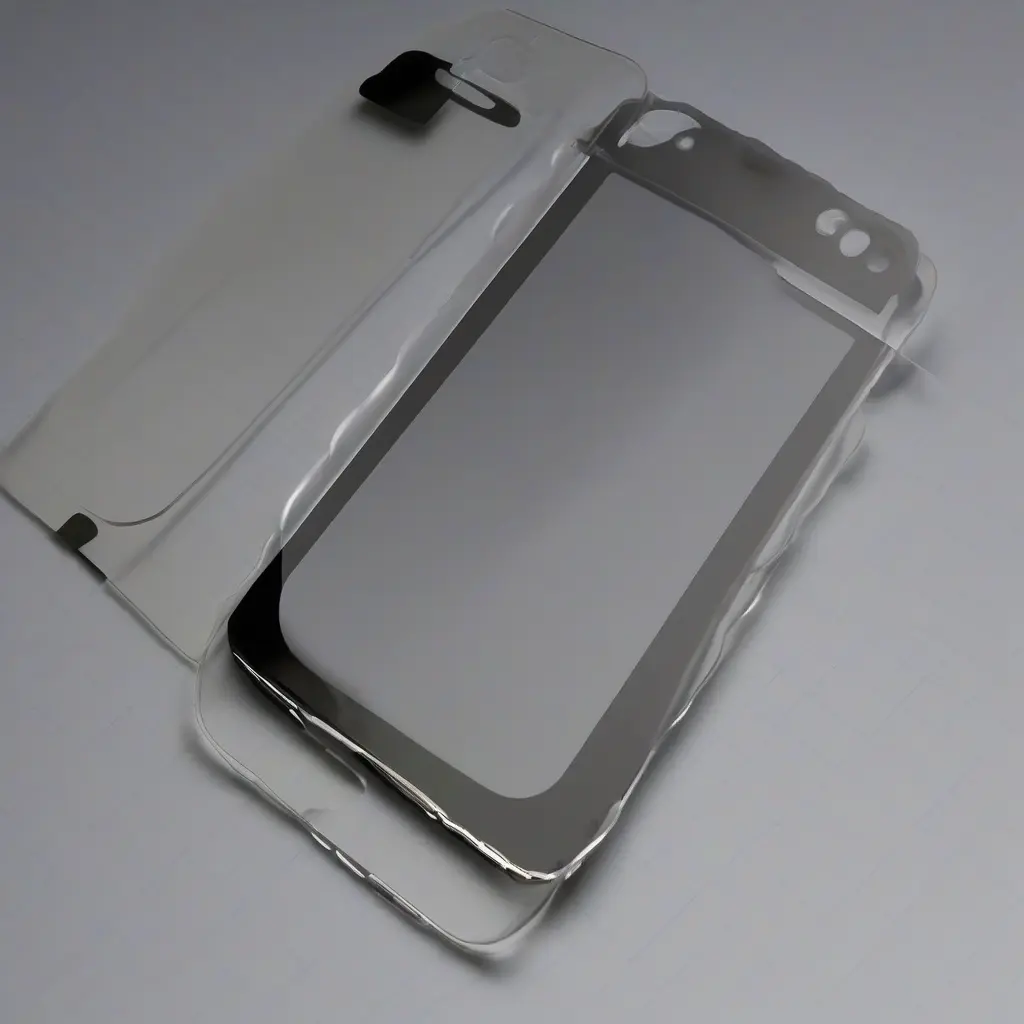
Selecting a screen protector for your work phone is a crucial decision, especially given the increasing reliance on mobile devices for professional tasks. A quality screen protector not only defends your device against scratches and cracks, but it also enhances usability and screen clarity. This article examines essential features to consider when choosing a screen protector, offering a comprehensive overview to help you make an informed choice for your work phone.
Material Types: Tempered Glass vs. Plastic
The material of the screen protector you choose significantly impacts its durability and effectiveness. Tempered glass protectors are typically known for their resistance to scratches and shattering, providing a near-original touch experience. In contrast, plastic protectors, such as PET and TPU, can be more flexible and lightweight but may not offer the same level of protection against drops. Understanding the pros and cons of each material is essential for ensuring your work phone stays protected.
Impact Resistance: What to Look For
Impact resistance is a critical feature to consider in a screen protector. Look for protectors that provide a high degree of impact resistance, measured by the drop height or the thickness of the material. Models boasting military-grade protection often undergo rigorous testing and can absorb shock effectively, minimizing damage during accidental drops. Choosing a screen protector with superior impact resistance is vital for maintaining your phone’s functionality.
Scratch Resistance: Rating and Testing
Scratch resistance is essential, particularly in a work environment where your phone may come into contact with various objects. The hardness rating, often measured on the Mohs scale, indicates the scratch resistance level. A screen protector rated higher than 3H offers adequate protection against everyday hazards such as keys and coins. Before purchasing, it’s beneficial to verify user reviews and product specifications to ensure the protector meets your needs.
Clarity and Touch Sensitivity: Display Quality
When selecting a screen protector, clarity and touch sensitivity are vital for maintaining the overall user experience. High-quality screen protectors should preserve the display’s brightness and color accuracy while ensuring smooth touch interaction. Consider options that boast HD clarity and anti-glare features if you frequently use your phone outdoors. A protector that delivers on both fronts ensures that your work phone remains functional and enjoyable to use.
Installation Process: Easy vs. Complex
The ease of installation can make a significant difference in your screen protector experience. Some protectors feature simple adhesive methods that allow for bubble-free application, while others may involve complicated alignment tools or lengthy processes. Look for products with easy-to-follow instructions and, if possible, consider options that come with installation kits. Proper installation not only enhances the protector’s effectiveness but also contributes to a clean, professional look.
Additional Features: Blue Light Filtering and Oleophobic Coating
A screen protector can come with additional features that enhance user comfort and device longevity. Blue light filtering technology reduces eye strain during extended screen use, making it an excellent option for professionals who frequently engage in digital tasks. Additionally, an oleophobic coating repels fingerprints and smudges, keeping your screen cleaner for longer. These features can substantially improve the usability of your work phone while providing essential protection.
Brand Reputation: Choosing Trusted Manufacturers
Selecting a screen protector from a reputable manufacturer can lead to better quality and customer satisfaction. Research brands that specialize in mobile accessories and look for customer reviews to gauge the reliability of their products. Established brands often provide warranties or guarantees, reflecting their confidence in product performance. Prioritizing well-reviewed and trusted manufacturers ensures that your investment in a screen protector is worthwhile.
Compatibility: Ensuring a Perfect Fit
Compatibility with your work phone model is crucial when selecting a screen protector. Not all protectors are universal; they are usually designed for specific models to ensure proper alignment of ports and sensors. Before purchasing, verify that the chosen protector is compatible with your device to prevent issues such as unwanted gaps or incorrect sizing. This attention to detail cultivates a seamless user experience and extends the life of your device.
Cost vs. Quality: Finding the Right Balance
Budget considerations are natural when choosing a screen protector, but it’s essential to balance cost with quality. While cheaper options may be tempting, they often compromise on durability and effectiveness. Investing in a higher-quality screen protector can save you money in the long run by providing better protection and longevity. It’s advisable to analyze reviews and perform comparative research to find a product that meets both your financial and functional needs.
Conclusion
In conclusion, selecting a suitable screen protector for your work phone involves a thoughtful consideration of various features, including material, impact resistance, and additional functionalities. By understanding the importance of clarity, ease of installation, and compatibility, you can make an informed choice that enhances your device’s protection and performance. Invest in a quality screen protector to safeguard your device and maintain its functionality in a professional setting.
