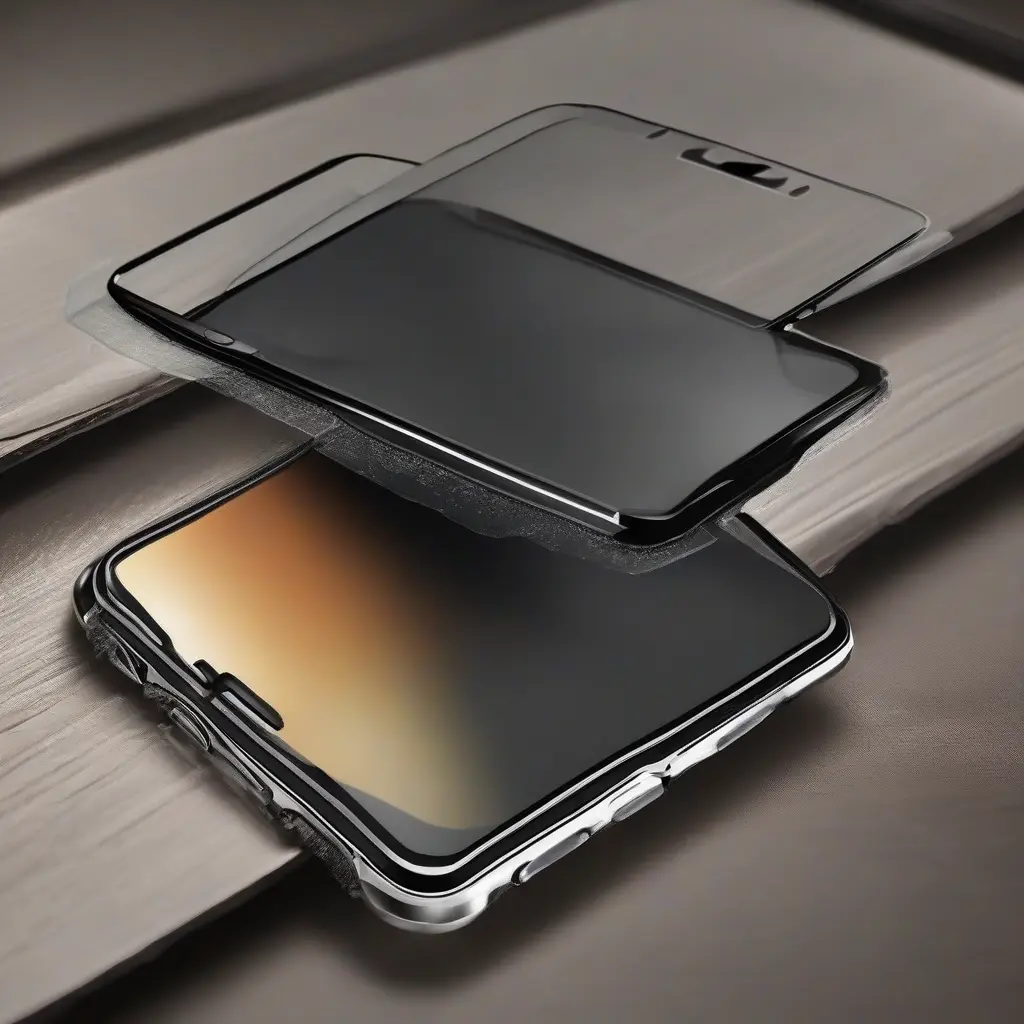
Choosing a tempered glass screen protector requires careful consideration to ensure you purchase a high-quality product. With many options available, it’s essential to evaluate various factors that determine the quality and durability of the screen protector. This article outlines key aspects to consider, including material, thickness, clarity, and application methods to ensure that your device remains well protected against scratches and impacts.
Understanding Tempered Glass Quality
The foundation of a good tempered glass screen protector lies in the quality of the glass itself. High-quality tempered glass is made through a process of extreme heating and cooling, which enhances its durability and scratch resistance. Look for protectors that specify this treatment, as it ensures that the glass can withstand impacts better than standard glass. Additionally, pay attention to the brand reputation, as established manufacturers usually adhere to higher production standards.
Assessing Thickness Levels
The thickness of a tempered glass screen protector significantly impacts its protective capabilities. Generally, protectors range from 0.3mm to 0.5mm in thickness. Thicker protectors often provide better shock absorption and are less likely to shatter upon impact. However, overly thick protectors can affect touch sensitivity and viewing experience. A balance must be struck between adequate thickness for protection and maintaining the screen’s original feel, making it crucial to test various thicknesses.
Evaluating Clarity and Transparency
One of the primary goals of a tempered glass screen protector is to maintain the screen’s original clarity. When evaluating options, ensure that the protector has high transparency and minimal distortion to preserve image quality. High-quality protectors should have less than 1% light reflection and should not adversely impact the colors on your display. Testing the protector in-store or researching customer reviews can help determine the clarity and transparency levels of various products.
Testing Touch Sensitivity
Touch sensitivity is a critical aspect when selecting a tempered glass screen protector. A superior product will allow for seamless interaction with your device. When testing a screen protector, check if it responds adequately to multi-touch and gestures, particularly for gaming or complex applications. Many users report that lower quality protectors can lead to a lagging experience. Ideally, you should try out different protectors to find one that offers maximum responsiveness without compromising safety.
Examining Oleophobic Coating
An oleophobic coating on a tempered glass screen protector plays a vital role in maintaining a clear screen. This coating reduces fingerprints and smudges, making it easier to clean the surface. Ensure the protector includes this feature for better maintenance over time. However, not all oleophobic coatings are created equal; some wear off quicker than others, so reviewing product specifications and user feedback can help you choose a more durable option.
Compatibility with Your Device
Before purchasing a tempered glass screen protector, it’s crucial to check its compatibility with your specific device model. Protectors are often designed to fit particular screen sizes and shapes, and an improper fit could result in less protection or a compromised user experience. Ensure that the product you choose indicates compatibility with your device, and whenever possible, read reviews from users who have similar devices to yours for added assurance.
Looking for Installation Methods
Installation methods can greatly influence your tempered glass screen protector experience. Some products come with easy installation kits that minimize air bubbles and misalignment during the application process. Others may require additional tools or professional assistance to apply correctly. It’s beneficial to look for protectors that boast user-friendly installation techniques, especially if you’re unfamiliar with applying screen protectors. Reviews and ratings can also provide insight into how simple or challenging the installation process may be.
Checking for Warranty and Return Policies
A reliable warranty or return policy can serve as an excellent indicator of the quality of a tempered glass screen protector. Manufacturers that offer warranties show confidence in their products, often covering issues like defects or manufacturing flaws. Before purchasing, be sure to examine the terms of the warranty and return policies. This information is critical when determining if the manufacturer stands behind their product and if you can easily get a refund or replacement should any issues arise.
Gathering User Reviews and Feedback
User reviews play a pivotal role in assessing the quality of a tempered glass screen protector. Real-world experiences can reveal strengths and weaknesses you may not find in product descriptions. Look for reviews on reliable platforms, as they often provide insight into the durability, clarity, and overall satisfaction of users. Consider the volume of reviews as well; a product with numerous positive reviews is typically a more reliable choice than one with few reviews or mixed ratings.
Conclusion
In conclusion, testing the quality of a tempered glass screen protector involves a careful examination of multiple factors including material, thickness, and touch sensitivity. By taking the time to assess these elements, you can ensure that you choose a protector that not only safeguards your device but also maintains a high user experience. Remember to look for user reviews, warranties, and installation methods to make an informed decision before purchasing your next screen protector.
