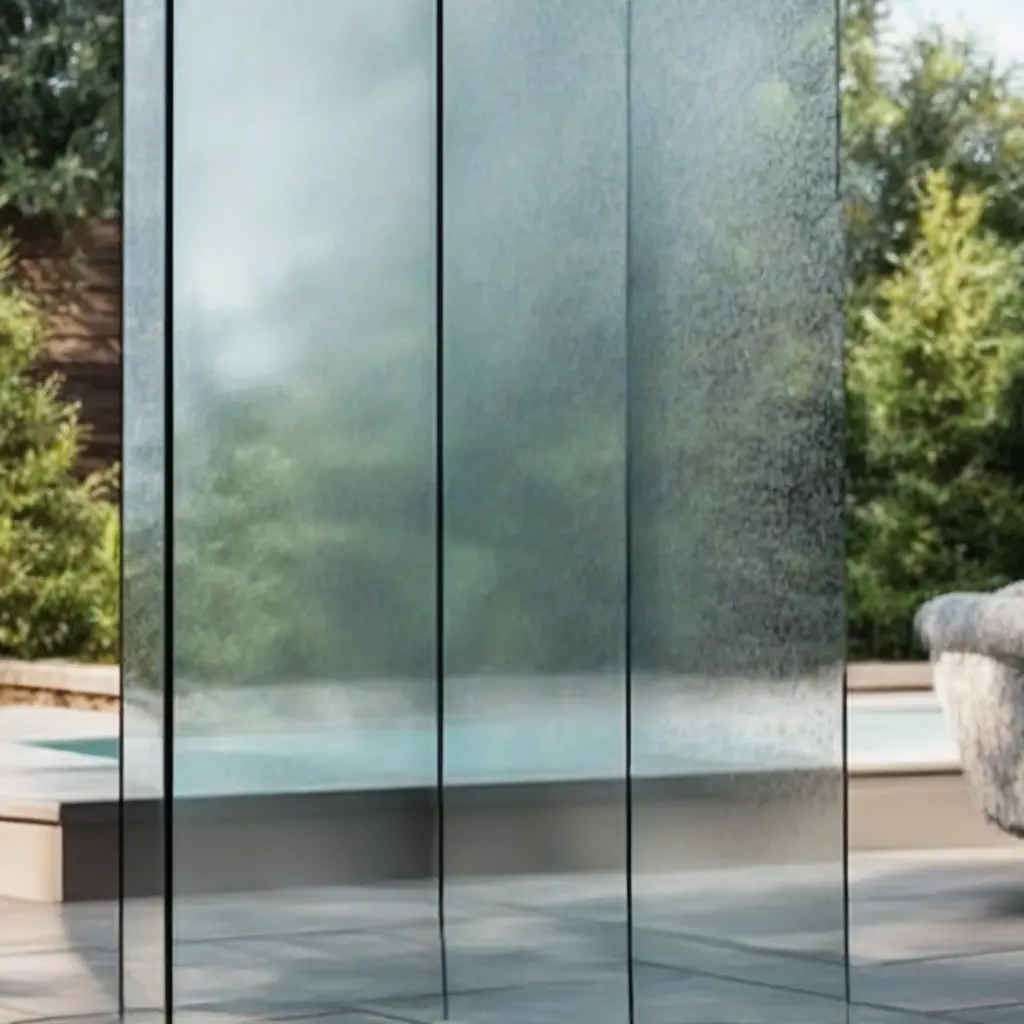
Fogging on tempered glass surfaces can be a common issue, particularly in environments with high humidity or temperature changes. This can affect visibility and aesthetics, especially for items like shower doors, windows, and glass panels. Understanding the causes of fogging and discovering effective methods to prevent and remove it can greatly enhance the longevity and clarity of tempered glass. In this article, we will explore various strategies ranging from preventive measures to cleaning techniques, ensuring your glass surfaces remain clear and unobstructed.
Understanding the Causes of Fog on Tempered Glass
Fog on tempered glass surfaces is primarily caused by condensation. This occurs when warm, moist air comes into contact with the cooler glass surface, leading water vapor to condense into tiny droplets. Other factors contributing to fogging include environmental humidity, temperature fluctuations, and poor ventilation in enclosed spaces. For instance, areas like bathrooms are especially prone to fogging due to steam from showers. Recognizing these causes is essential for implementing effective preventive measures.
Using Anti-Fog Spray for Prevention
One effective way to prevent fogging on tempered glass is by applying an anti-fog spray. These specialized sprays create a thin, hydrophilic layer on the glass surface, which helps to prevent condensation. When choosing an anti-fog product, ensure it is safe for use on glass surfaces and free from harsh chemicals that could damage the glass. Regular application can significantly reduce fog buildup, providing a clearer view and enhancing the usability of tempered glass items.
Implementing Proper Ventilation
Proper ventilation is crucial in minimizing fogging on tempered glass surfaces. By allowing fresh air circulation, you can reduce indoor humidity levels, which are a primary contributor to condensation. Installing exhaust fans in bathrooms and kitchens helps to draw out humid air, particularly during activities like cooking or showering. Additionally, opening windows or using dehumidifiers can further improve air circulation and maintain a consistent temperature, thus minimizing fog formation.
Choosing Low-Humidity Environments
If possible, placing tempered glass in low-humidity environments can greatly reduce the chances of fogging. For example, using glass surfaces in climate-controlled areas where moisture levels are consistently managed will help maintain clarity. In contrast, avoiding use in high-humidity spaces, like basements, is advisable. If you must use tempered glass in such locations, consider supplemental dehumidification to mitigate condensation risks.
Regular Maintenance and Cleaning
Regular maintenance is essential for maintaining the clarity of tempered glass surfaces. Cleaning them with appropriate glass cleaners can prevent the buildup of grime and minerals that may contribute to fogging. Use non-abrasive cloths and gentle glass cleaning solutions to avoid scratches. Additionally, ensure that cleaning methods do not involve ammonia, as this can damage the sealed finish of the glass. Routine cleaning will help enhance visibility and reduce the likelihood of fog formation.
User-Friendly Cleaning Solutions
When it comes to cleaning fogged tempered glass, user-friendly solutions can be highly effective. Home remedies such as a mixture of vinegar and water can help to remove fog and prevent its recurrence. Alternatively, commercial glass cleaning products designed specifically for tempered glass can also work wonders. Always test any new cleaning solution on a small, less-visible area first to ensure compatibility without damaging the glass surface.
Utilizing a Silica Gel Desiccant
Another innovative method to tackle fog on tempered glass involves using silica gel desiccants. Silica gel packets are known for their ability to absorb moisture from the air, making them perfect for placing near glass surfaces prone to fogging. By capturing excess humidity, these desiccants help maintain a clearer environment around the glass. Regularly replacing these packets will keep the air dry and reduce the chances of condensation forming on your tempered glass.
The Role of Temperature Control
Maintaining consistent temperature around tempered glass surfaces can significantly mitigate fog formation. Sudden temperature changes can exacerbate condensation issues, so using thermostats or heaters to maintain a stable temperature will help. For instance, during winter months, keeping a consistent indoor temperature can prevent cold drafts that cause glass surfaces to cool rapidly. This simple practice can be very effective in maintaining a fog-free environment around your tempered glass.
Using Anti-Fog Towels
For immediate solutions, consider using anti-fog towels designed for glass surfaces. These towels contain special coatings that prevent fog accumulation and are particularly useful for items like car windshields or safety glasses. Simply wiping the surface with an anti-fog towel can create a protective layer that reduces the chances of fog forming during temperature changes. They are easy to use and provide a quick fix wherever needed.
Taking Care of Scratches and Damage
Scratches or surface damage on tempered glass can exacerbate fogging issues by providing more surface area for moisture to condense. It’s important to address any scratches immediately with suitable repair products or professional services if necessary. Proper care can greatly reduce fog buildup and enhance the glass’s overall clarity, ensuring its durability and longevity. Regular checks for damage will help maintain an unobstructed view.
Expert Tips for Long-Term Clarity
For those looking for long-term clarity in their tempered glass surfaces, adopting combined strategies can yield the best results. Utilize more than one preventive method, such as ensuring good ventilation while applying anti-fog sprays. Regular maintenance routines combined with environmental control will work synergistically to minimize fogging. Additionally, staying informed about new products and techniques can further enhance the clarity of tempered glass in various settings.
Conclusion
In summary, effectively preventing and removing fog from tempered glass surfaces requires a multifaceted approach. By understanding the causes of fogging and implementing a combination of preventive strategies, such as proper ventilation, regular maintenance, and appropriate cleaning products, you can maintain clear glass surfaces. With the right care and attention, you can ensure that your tempered glass remains fog-free and visually appealing, enhancing both functionality and aesthetics.
