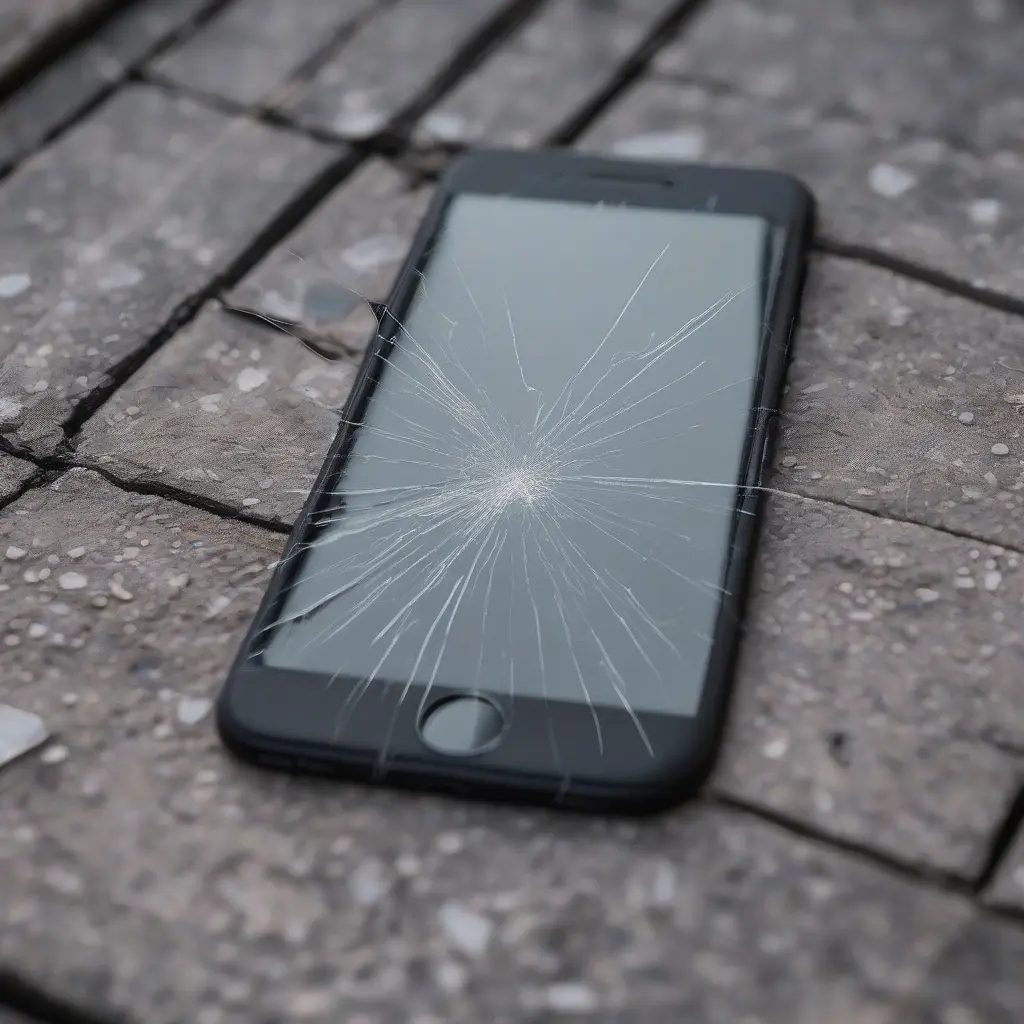
In a world where smartphones and tablets are essential daily tools, the question of whether screen protectors can truly prevent cracks is frequently debated. Many users invest in these accessories to safeguard their devices from damage. However, user experiences vary widely, with some praising their effectiveness while others claim they offer little protection against severe impacts. This article delves into real-life accounts and studies to determine if screen protectors genuinely help shield your device from cracks, providing insights to inform your buying decisions.
Understanding Screen Protector Types
Screen protectors come in various types, including PET film, tempered glass, and liquid screen protectors, each offering different levels of protection. PET film protectors are thin and lightweight but provide minimal impact resistance, mainly preventing scratches. Tempered glass, on the other hand, is heavier and more durable, offering better shock absorption and resistance to cracking. Liquid screen protectors claim to bond with the glass surface, creating a protective layer that’s invisible yet robust. Understanding these types is essential for users to make informed choices based on their lifestyle and risk levels.
Real User Experiences with Tempered Glass
Many users of tempered glass screen protectors report positive experiences, particularly in preventing cracks from everyday drops. A study gathered testimonials from users who dropped their phones while using tempered glass protectors. Most reported that their devices remained unscathed despite multiple falls, crediting the screen protector with absorbing the impact. Users mentioned that they felt more confident carrying their devices, knowing they had an added shield. This feedback highlights the protective capabilities of tempered glass in real-world conditions.
PET Film Protectors: User Perspectives
While PET film protectors are more economical, user feedback reveals that they may not be as effective in preventing cracks as their tempered glass counterparts. Many users noted how they appreciated the slim profile and clarity of the PET film, making their devices seem less bulky. However, numerous accounts mention the tendency of these protectors to shatter or peel upon impact. Some users express frustration as they aim for protection against scratches, only to find that the film fails to provide significant protection against serious drops.
Liquid Screen Protectors: Effectiveness and Reviews
Liquid screen protectors have gained popularity for their innovative approach to safeguarding devices. Users who opted for liquid protectors often mention the ease of application and the fact that they don’t alter the appearance of their devices. However, the experiences vary when it comes to protection against cracks. Several users reported a feeling of vulnerability, as liquid protectors may not provide the same shock absorption as tempered glass. This mixed feedback calls into question their overall effectiveness in preventing cracks, urging potential buyers to consider their specific needs.
Impact of Everyday Life on Screen Durability
User experiences reveal that the effectiveness of screen protectors greatly depends on individual lifestyles and how prone one is to accidents. For instance, individuals who frequently drop their devices or work in environments with high risks of impact generally benefit more from durable options like tempered glass. In contrast, casual users may find adequate protection from simpler designs. Conversations with users highlight the correlation between a phone’s exposure to risks and the necessity of selecting a screen protector that aligns with their everyday behaviors.
User Testimonials: A Mixed Bag of Opinions
Across numerous forums and review platforms, user testimonials reflect a wide range of sentiments regarding the effectiveness of screen protectors in preventing cracks. Users often express satisfaction when their devices survive drops thanks to a protective layer, while others highlight situations where cracks still occurred despite having a screen protector. This disparity often leaves potential buyers confused, as experiences vary greatly based on device, protector type, and user habits. Collectively, these accounts emphasize the need for careful consideration when choosing a protective solution.
Comparative Studies on Screen Protection
Research studies aimed at gauging the effectiveness of various screen protectors reveal interesting insights. Some studies compare the impact resistance of PET film, tempered glass, and liquid protectors under controlled conditions. Results typically demonstrate that tempered glass outperforms the other types in crack prevention during high-impact scenarios. Such studies provide valuable data for consumers, helping them understand the relative merits of each option in a more scientific context, beyond anecdotal evidence.
Long-Term Experiences and Maintenance
Over time, the type of screen protector used can influence user satisfaction and the overall experience of device ownership. Long-term users of tempered glass often report fewer incidents of cracks and are typically more inclined to recommend it to others. Conversely, those who opt for lower-grade protectors may find themselves replacing them regularly due to damage. Additionally, proper maintenance, such as cleaning and timely replacement, can significantly impact performance and durability. This relationship suggests that the choice of protector is only one part of ensuring device longevity.
Cost vs. Protection: User Insights
The financial aspect of purchasing screen protectors often becomes a topic of discussion among users. Some individuals believe that investing in a high-quality tempered glass protector is worth the added payout, especially considering the potential cost of repairing a cracked screen. Other users, however, argue that budget options can suffice for lighter usage, expressing satisfaction with lower-cost PET film protectors. This ongoing debate reflects broader consumer attitudes about balancing cost with the level of protection desired, highlighting that individual needs vary widely.
Conclusion
In conclusion, the effectiveness of screen protectors in preventing cracks can significantly depend on the type chosen and individual usage patterns. Real-life user experiences illustrate a spectrum of outcomes based on the protector’s material and the lifestyle of the user. While tempered glass often stands out as the best option for those prone to drops, it’s essential for individuals to assess their own habits and needs when selecting the right screen protector. This informed approach can lead to better decisions and enhanced device longevity.
