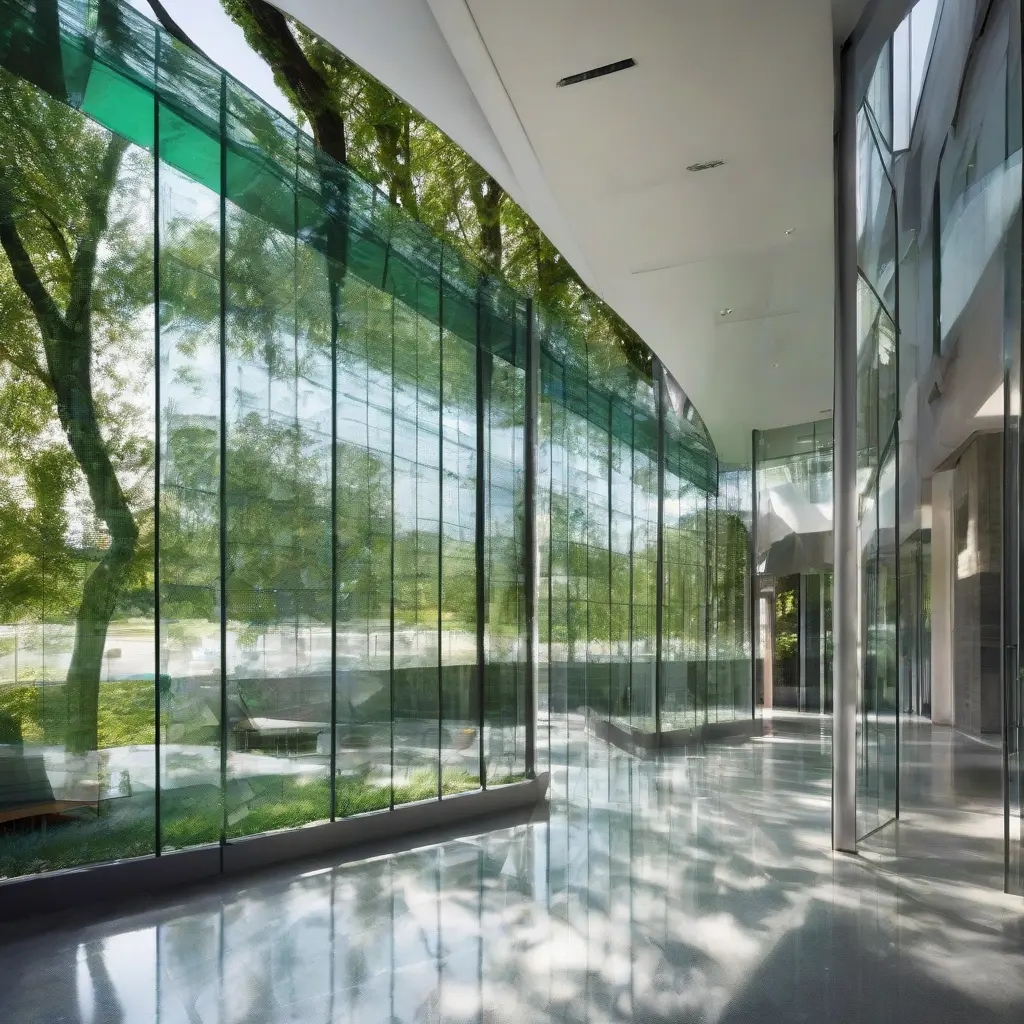
The increasing focus on sustainability in architecture has led to innovative materials, with tempered glass emerging as a key player. This type of safety glass is not only durable but also provides aesthetic appeal while contributing to energy efficiency. Its unique properties make it ideal for eco-friendly designs, enhancing natural light while minimizing heat gain. As architects seek sustainable alternatives for modern buildings, understanding the role of tempered glass becomes essential. This article delves into the benefits, applications, and future trends of tempered glass in eco-friendly architecture.
What is Tempered Glass?
Tempered glass, also known as toughened glass, is produced through a process of extreme heating and rapid cooling. This technique increases the glass’s strength, making it significantly more resistant to impact and thermal stress than standard glass. The manufacturing process ensures that if tempered glass does shatter, it breaks into small, blunt pieces, reducing the risk of injury. This safety feature, along with its structural integrity, makes tempered glass a preferred choice for both residential and commercial buildings, particularly in eco-friendly architecture.
Energy Efficiency in Eco-Friendly Building Design
Sustainable architecture increasingly emphasizes energy efficiency as a primary goal, with tempered glass playing a vital role. Its ability to control thermal performance helps in reducing energy consumption by maintaining comfortable indoor temperatures. Utilizing low-emissivity (low-E) coatings, tempered glass can reflect infrared light while allowing visible light to enter, enhancing natural lighting without compromising thermal comfort. This dual functionality not only lowers energy bills but also minimizes environmental impact, making it a favored choice for energy-efficient constructions.
Environmental Benefits of Tempered Glass
The use of tempered glass contributes to environmental sustainability in several ways. Firstly, its longevity means less frequent replacements, ultimately reducing waste. Additionally, tempered glass is fully recyclable, aligning with eco-friendly practices. Many manufacturers now incorporate recycled materials in the production of glass, further enhancing its green credentials. This commitment to reducing raw material consumption and waste not only supports sustainable development but also aids in meeting environmental regulations and standards increasingly demanded by modern architecture.
Natural Light and Indoor Air Quality
One of the key features of tempered glass is its ability to maximize natural light in building designs. Increased daylight not only elevates the aesthetic appeal of spaces but also positively impacts occupants’ well-being and productivity. Studies indicate that exposure to natural light enhances mood and cognitive function, fostering healthier indoor environments. Furthermore, by utilizing tempered glass in conjunction with effective ventilation systems, buildings can achieve better indoor air quality, substantially reducing the need for artificial lighting and air conditioning, which are energy-consuming.
Design Flexibility and Aesthetic Appeal
Tempered glass offers architects significant design flexibility while maintaining aesthetic appeal. Available in various shapes, sizes, and finishes, it can be seamlessly integrated into diverse architectural styles, from modern to traditional. Its transparency allows for open, airy spaces that enhance visual connections between the indoor and outdoor environments. This characteristic aligns with contemporary eco-friendly design principles, which prioritize harmony with nature. The combination of strength and beauty presented by tempered glass provides innovative solutions to architectural challenges in sustainable building design.
The Cost Factor in Using Tempered Glass
While the initial investment in tempered glass may be higher than traditional options, its long-term benefits often outweigh the costs. The high durability and low maintenance requirements translate into savings over time. Moreover, energy-efficient properties can lead to significant reductions in energy bills, enhancing overall financial sustainability. Budgeting for tempered glass in construction projects is increasingly viewed as a smart investment that aligns with both environmental and economic goals, making it a common component in modern eco-conscious buildings.
Emerging Trends in Tempered Glass Technology
The tempered glass industry is witnessing rapid advancements through technology development. Innovations such as smart glass involve incorporating electronic layers that adjust transparency based on environmental conditions, providing enhanced energy efficiency. These advancements complement the growing demand for green building techniques and sustainable design practices. Furthermore, the integration of augmented reality and other smart technologies in tempered glass applications is redefining architectural possibilities, illustrating how the future of sustainable architecture is intertwined with advanced tempered glass solutions.
Regulatory Standards and Safety
As sustainability becomes more pivotal in construction, regulatory standards surrounding tempered glass continue to evolve. Building codes now often mandate the use of safety glass in various applications, emphasizing the importance of durability and resistance to forced entry or natural elements. Architects and builders must stay informed about the latest regulations governing tempered glass to ensure compliance while maximizing its benefits in eco-friendly designs. Meeting these standards not only enhances safety but also instills confidence in the sustainability credentials of modern buildings.
Conclusion
Tempered glass represents a transformative material in the realm of eco-friendly architecture, combining safety, sustainability, and aesthetic appeal. Its multifaceted benefits, from energy efficiency to environmental impact, affirm its role in contemporary building design. As technological advancements and regulatory standards continue to promote its usage, tempered glass is set to play an integral part in shaping sustainable structures of the future, ultimately contributing to a more environmentally conscious world.
