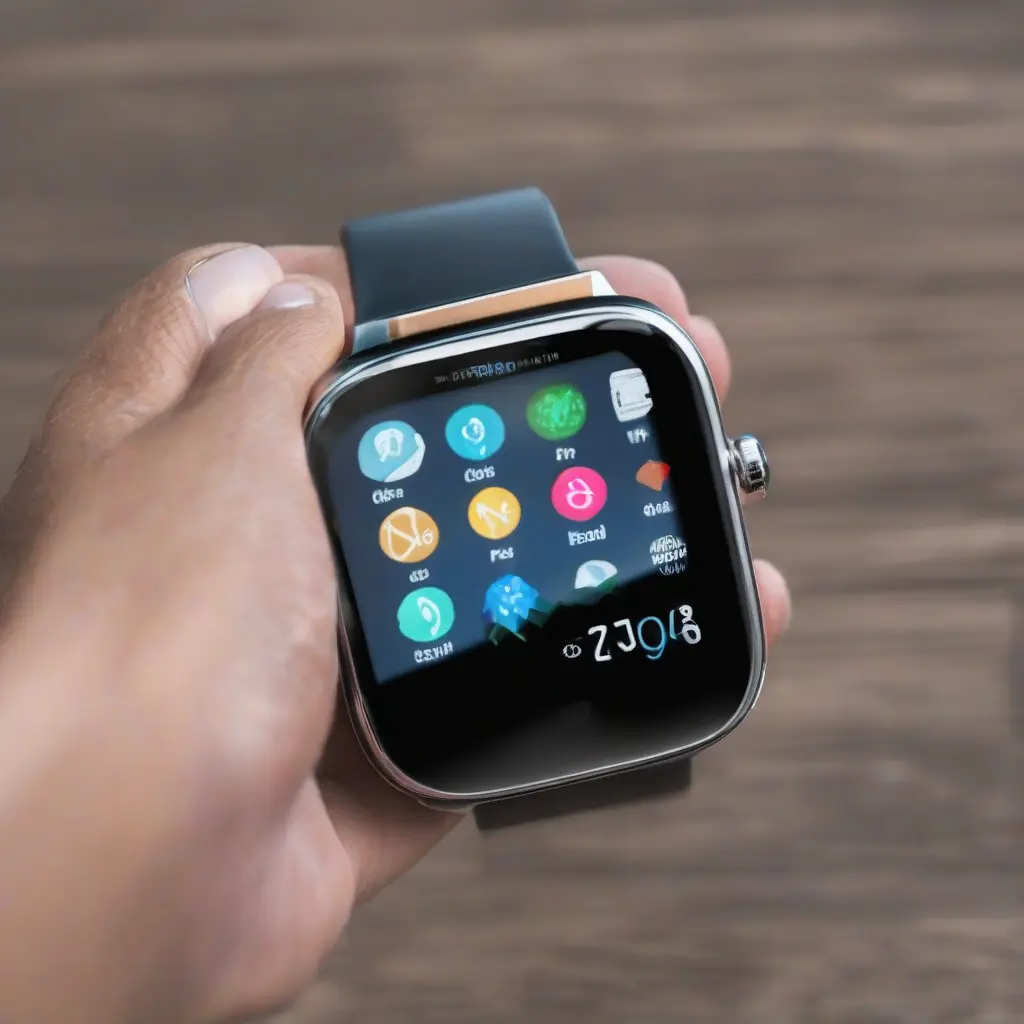
As smartwatches continue to gain popularity, many users are faced with the decision of whether to invest in a screen protector. These devices often come with advanced technology and features, making them valuable yet vulnerable. Screen protectors can help shield a smartwatch display from scratches, cracks, and general wear and tear. However, understanding their necessity involves examining various factors, including lifestyle, usage patterns, and the specific model of the smartwatch itself. This article delves into the importance of screen protectors for smartwatches, providing insights to help users make informed decisions.
Understanding Smartwatch Displays
Smartwatches typically feature either LCD or OLED displays, both of which have unique characteristics. LCDs are known for their durability; however, they can still suffer from scratches over time. OLED displays, on the other hand, offer vibrant colors but may be more susceptible to damage. Each type of display has its own response to impacts and everyday wear. Therefore, understanding the display technology of a particular smartwatch model is essential when considering the necessity of a screen protector.
Benefits of Using Screen Protectors
Screen protectors provide a critical layer of defense against everyday hazards such as scratches and scuffs. When professionally applied, these protectors can help maintain the original clarity and responsiveness of the touchscreen, which is vital for efficient usage. Various materials, including tempered glass and soft films, are available, each offering different levels of protection. Utilizing a screen protector can extend the lifespan of the device, thus enhancing its resale value, especially for users who plan to upgrade in the future.
Different Types of Screen Protectors
There are several types of screen protectors available in the market, each catering to different needs. Tempered glass protectors are well-known for providing robust protection against impacts and scratches while maintaining touch sensitivity. Meanwhile, TPU (thermoplastic polyurethane) protectors are thinner and more flexible, offering basic scratch protection without altering the device’s aesthetic. Additionally, liquid screen protectors are designed to bond with the glass for a seamless look but may offer less physical protection than glass options.
Who Should Consider a Screen Protector?
Users who lead active lifestyles or work in environments with higher risks of accidental impacts should seriously consider using screen protectors. For instance, athletes or outdoor enthusiasts often put their devices at risk of scratches and damage, making a strong protector essential. On the other hand, users with a sedentary lifestyle may find that the risk is minimal, thereby making a protector less critical. Assessing personal habits and environments is key in determining the need for additional protection.
Potential Drawbacks of Screen Protectors
Despite their benefits, some users may encounter drawbacks when using screen protectors. Low-quality protectors can lead to issues such as reduced touch sensitivity or bubbling, undermining the overall user experience. Additionally, poorly applied protectors may trap dust and debris, resulting in aesthetic concerns. It’s essential for users to select high-quality products and ensure professional installation to minimize potential problems related to screen protectors.
Cost Considerations
The cost of screen protectors can vary significantly based on the material and brand. While basic TPU protectors are usually budget-friendly, premium tempered glass options may come with a higher price tag. Users should weigh the cost against potential repair expenses associated with screen damage. Investing in a high-quality screen protector may prevent expensive repairs down the line, making it a cost-effective choice for many smartwatch owners.
Real-Life Experiences and Reviews
User reviews and firsthand experiences can provide valuable insights into the effectiveness of different screen protectors. Many users report positive outcomes, such as maintaining the pristine condition of their device after using high-quality screen protectors. Conversely, negative experiences often center on issues with installation or poor quality of the product. Researching user feedback and product ratings can guide potential buyers in making informed decisions tailored to their needs.
How to Choose the Right Screen Protector
Selecting the appropriate screen protector requires careful consideration of several factors, including the type of material, thickness, and brand. Users should assess their lifestyle and usage scenarios to determine the level of protection needed. Additionally, looking for features such as easy installation and compatibility with smartwatches is crucial. Researching reputable brands known for quality and customer satisfaction can streamline the selection process, ensuring a positive outcome.
Conclusion
In conclusion, the necessity of screen protectors for smartwatches largely depends on the individual user’s lifestyle, usage patterns, and the specific device model. While many users can benefit from the added layer of protection, others may find it unnecessary. Assessing personal needs and weighing the pros and cons will ultimately guide users towards making an informed decision that best suits their smartwatch experience.
