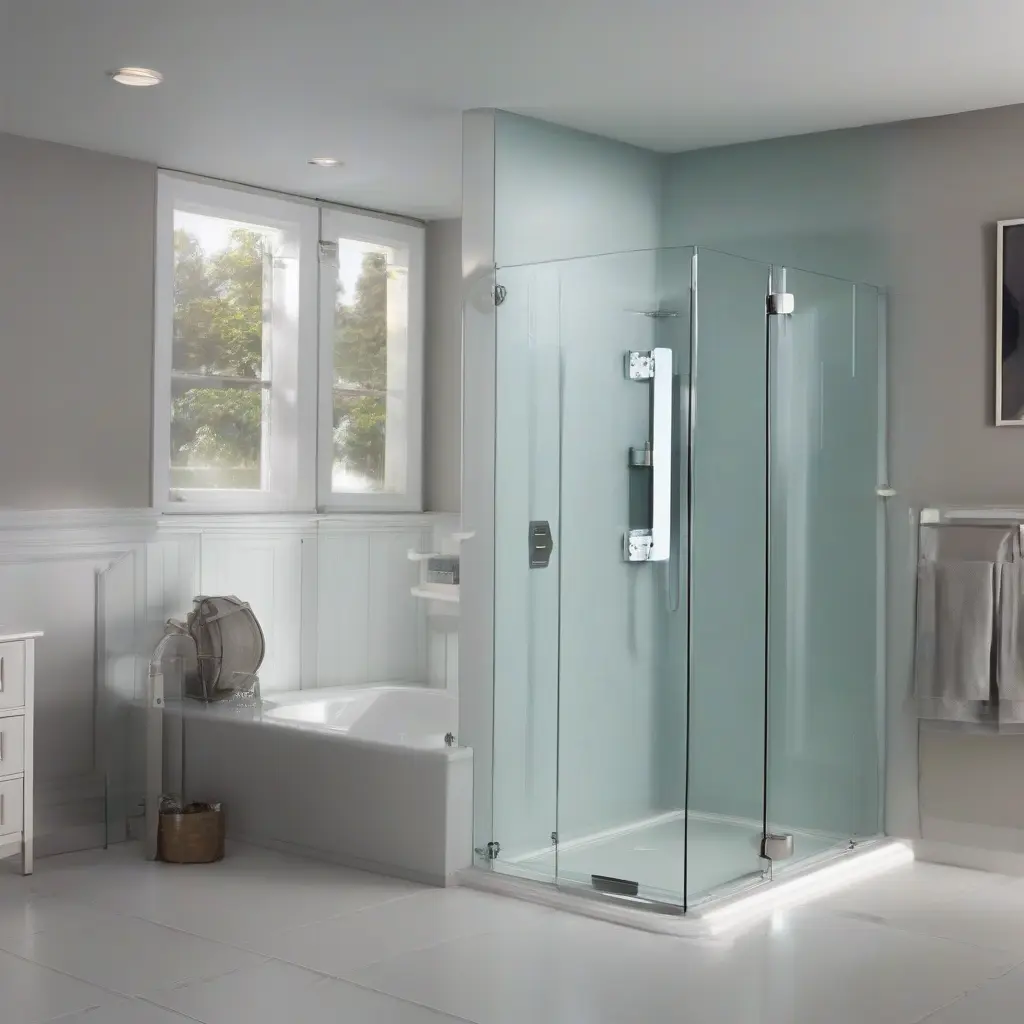
Installing tempered glass fixtures requires careful consideration of various factors to ensure their safety and longevity. One of the most crucial aspects is the temperature settings during the installation process. Tempered glass is designed to withstand significant temperature fluctuations; however, improper handling and installation can lead to breakage or compromised integrity. Understanding the ideal temperature range can help ensure that installations are successful and that the glass maintains its strength over time.
Understanding Tempered Glass
Tempered glass, often referred to as toughened glass, undergoes a specialized heat treatment process that strengthens it. This process involves heating the glass to high temperatures, followed by rapid cooling, which creates internal stresses that enhance its durability. That is why tempered glass is commonly used in environments where safety is a concern, such as shower doors, glass railings, and glass partitions. Understanding how these unique characteristics affect installation is essential for achieving optimal results.
Importance of Temperature Control
Temperature control during installation is critical because extreme temperatures can affect the glass’s performance and fitting. Too much heat can weaken the adhesive used in securing the glass, while cold conditions can lead to brittleness. Ensuring that the temperature remains within the recommended range allows for proper curing of adhesives and seals, leading to an effective bond. Hence, monitoring the ambient and surface temperatures during installation is essential for ensuring durability.
Ideal Temperature for Installation
The ideal temperature range for installing tempered glass fixtures is typically between 50°F and 100°F (10°C to 38°C). This range helps ensure that the glass and the installation materials interact correctly, promoting effective adhesion and stability. Operating within this temperature window minimizes the risk of thermal shock, which can occur if the glass transitions too quickly between temperatures. Properly managing temperatures will lead to enhanced performance and longevity.
Humidity Levels and Impact
Humidity plays a significant role in the installation of tempered glass fixtures. High humidity can affect the drying time of adhesives and sealants, potentially leading to incomplete adhesion. Ideally, the humidity level should be kept between 30% and 70% for optimal results. Monitoring humidity is crucial, especially in enclosed spaces like bathrooms or kitchens, where moisture levels can fluctuate. This allows for adjustments to be made to ensure a successful installation.
Pre-Installation Preparations
Before installation, it’s essential to prepare the workspace adequately. This involves measuring and cleaning surfaces where the tempered glass will be installed. Additionally, ensuring that the installation materials are within the correct temperature range is important. All equipment and tools should be checked to ensure they’re in good working condition and also maintained at appropriate temperatures. Creating an optimal environment sets the stage for a smooth installation process.
Post-Installation Care
Once the tempered glass fixtures have been installed, there are specific post-installation care instructions to follow. It’s recommended to maintain a stable temperature and humidity for the first few days after installation to allow all materials to set properly. Avoiding extreme temperatures and potential stress on the glass, especially in the first few weeks, is crucial to ensure the longevity of the installation. Proper care enhances the effectiveness and stability of the installed fixtures.
Common Mistakes in Installation
Some common mistakes during the installation of tempered glass include not monitoring temperature and humidity closely or assuming that all installation products are temperature-agnostic. Ignoring the internal stresses built into the glass can lead to errors. Additionally, utilizing unsuitable adhesives for temperature-sensitive applications can lead to compromise over time. Being aware of these pitfalls can help in planning and executing a successful installation.
Tools for Temperature Monitoring
Utilizing temperature monitoring tools can significantly enhance the installation process of tempered glass fixtures. Infrared thermometers and hygrometers are among the best devices for continuously tracking temperature and humidity levels. These tools allow installers to adjust conditions dynamically, ensuring that both the environmental and material temperatures remain within the ideal range. Investing in these devices can lead to more successful installations and prevent future complications.
Regulatory Standards and Guidelines
It is crucial to adhere to local and national building regulations and guidelines when installing tempered glass fixtures. These regulations often encompass specific temperature and humidity parameters that must be met during installation. Failing to comply can result in safety issues and legal ramifications. Understanding the standards will not only ensure a successful installation but also enhance the safety and longevity of the fixtures.
Conclusion
In conclusion, understanding the best temperature settings for installing tempered glass fixtures is essential for achieving optimal results. Proper temperature and humidity control not only ensures the durability and safety of the glass but also enhances the overall aesthetic of the installation. By following best practices and utilizing the right tools, professionals can avoid common pitfalls and ensure a smooth and successful installation process.
