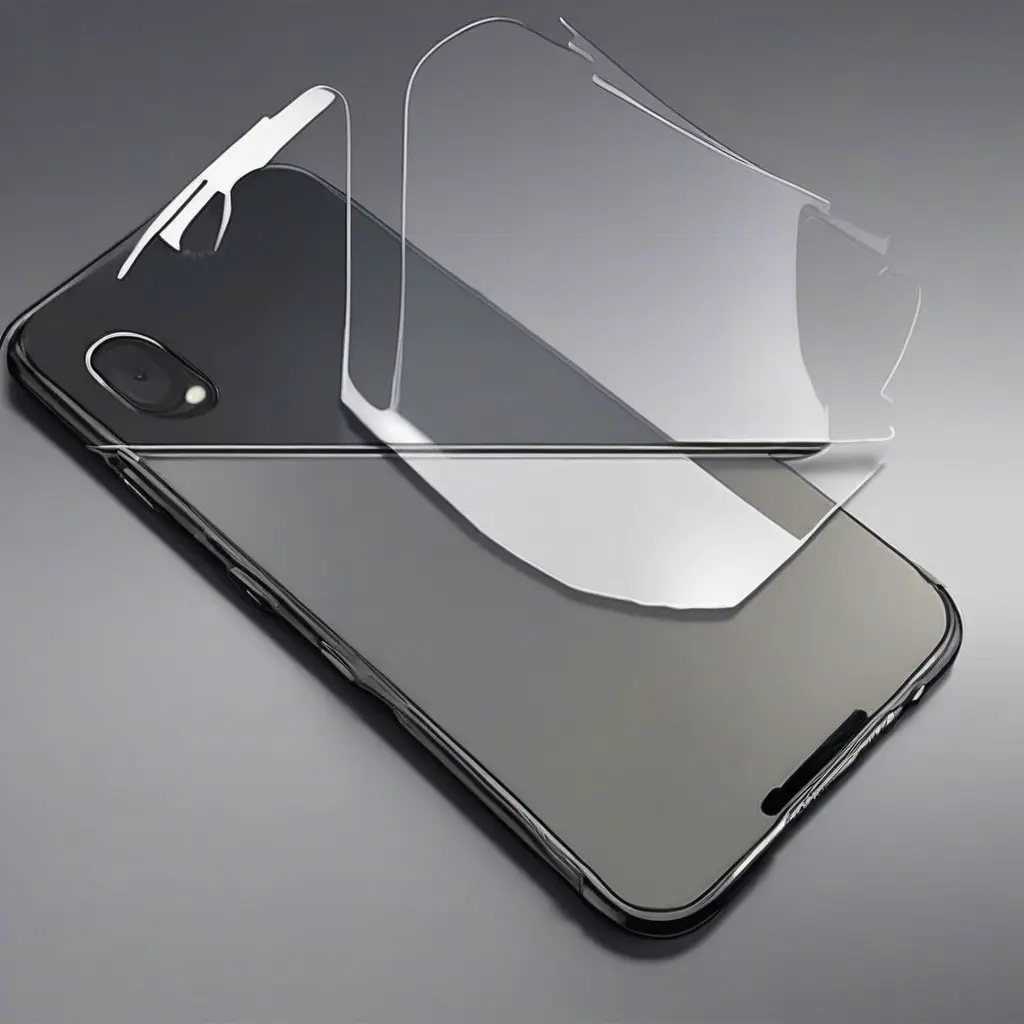
Screen protectors are essential for safeguarding your device’s display from scratches, cracks, and other damages. However, when upgrading to a new device or switching brands, you may wonder if you can cut your existing screen protector to fit. While this is possible, it requires careful consideration and the right approach to ensure a perfect fit and maintain screen clarity. In this article, we will explore the various methods, tips, and tricks for successfully customizing your screen protector.
Understanding Screen Protector Types
Before attempting to cut a screen protector, it’s essential to understand the different types available, such as tempered glass, plastic, and liquid protectors. Tempered glass screen protectors offer durability and clarity but can be challenging to trim without risking breakage. Plastic protectors, on the other hand, are more flexible and easier to cut, making them more suitable for alterations. Liquid screen protectors provide a unique coating for protection and can’t be cut but might be a good option if you frequently change devices.
Gathering the Right Tools
To effectively cut a screen protector, you’ll need the right tools. Essential items include a sharp utility knife or scissors, a straightedge or ruler for measuring, and a soft cloth to prevent fingerprints. Additionally, having a cutting mat or a safe surface will help protect your work area from scratches. Ensuring that these tools are ready will make the cutting process efficient and less stressful, allowing for a more accurate fit.
Measuring Your Device’s Screen
Accurate measurements are vital when cutting a screen protector. Start by measuring the dimensions of your device’s screen, taking note of length and width. It’s advisable to measure multiple times to ensure precision. Afterward, compare these measurements with your existing screen protector dimensions. This will allow you to determine how much to trim, resulting in a cleaner cut that fits your new device without hindering functionality.
Creating a Template for Accurate Cutting
To ensure a precise fit, consider creating a template from paper or cardboard. Place your device on the template, tracing around the edges to outline the dimensions. Cut out the template carefully, and then place it over the screen protector as a guide. By following this template, you can minimize potential errors and achieve a more polished finish, leading to a seamless installation.
Cutting the Screen Protector
Once prepared, it’s time to cut the screen protector. Using a straightedge or ruler, align it with the section you plan to trim. Apply even pressure while cutting to avoid jagged edges. For tempered glass, make slow and steady cuts to ensure you don’t crack the protector. For plastic, you can use scissors for a cleaner finish. Step away and review the cut frequently to ensure you’re aligning with your template correctly.
Testing the Fit
After cutting, it’s crucial to test the fit of the screen protector on the device. Gently place it on the screen without removing the adhesive backing. This step allows you to see if adjustments are necessary. If there are areas that overlap or insufficient coverage, make additional small cuts as needed. Testing ensures you achieve the perfect fit before final installation, which saves time and materials.
Applying the Screen Protector
With the screen protector trimmed to size, you can proceed to apply it. Start by cleaning the device screen thoroughly to eliminate dust and fingerprints, which can lead to bubbles. Peel back a small section of the adhesive side and align it with one edge of the screen. Gradually press down the protector, smoothing it out to avoid air bubbles. Using a credit card can help in pushing out trapped air for a seamless finish.
Post-Installation Care
After installation, be mindful of the post-care needed to ensure longevity. Avoid placing heavy objects on top of the device, and refrain from using abrasive cleaners on the screen. Additionally, let the adhesive cure as per the manufacturer’s instructions. This care routine will help maintain the integrity of the protector, allowing it to serve its purpose effectively while keeping your screen safe from damage.
When to Purchase a New Screen Protector
While it’s possible to cut a screen protector to fit a different device, consider purchasing a new one when it involves high-end or complicated devices. New screen protectors guarantee precision and the best protection without risking improper fitting or damage to your existing protector. Investing in the appropriate size ensures optimal performance and clarity, which can be worth it in the long run, particularly for high-value devices.
Common Mistakes to Avoid
When cutting a screen protector, being aware of common mistakes can save you time and frustration. One frequent error is inadequate measuring, which may lead to improper fit. Another pitfall is not using the right tools, which can result in jagged edges. Additionally, using too much force while cutting or applying can cause the protector to crack. Taking time to ensure meticulous preparation and execution can help avoid these issues for a more successful outcome.
Conclusion
In conclusion, cutting a screen protector to fit a different device is entirely feasible with the right tools and techniques. By understanding the types of protectors, accurately measuring, and following a careful cutting process, you can successfully customize a screen protector. However, always assess whether buying a new protector is more beneficial based on your device’s specifications. Ultimately, achieving a perfect fit enhances the protection of your device’s display and extends its lifespan.
