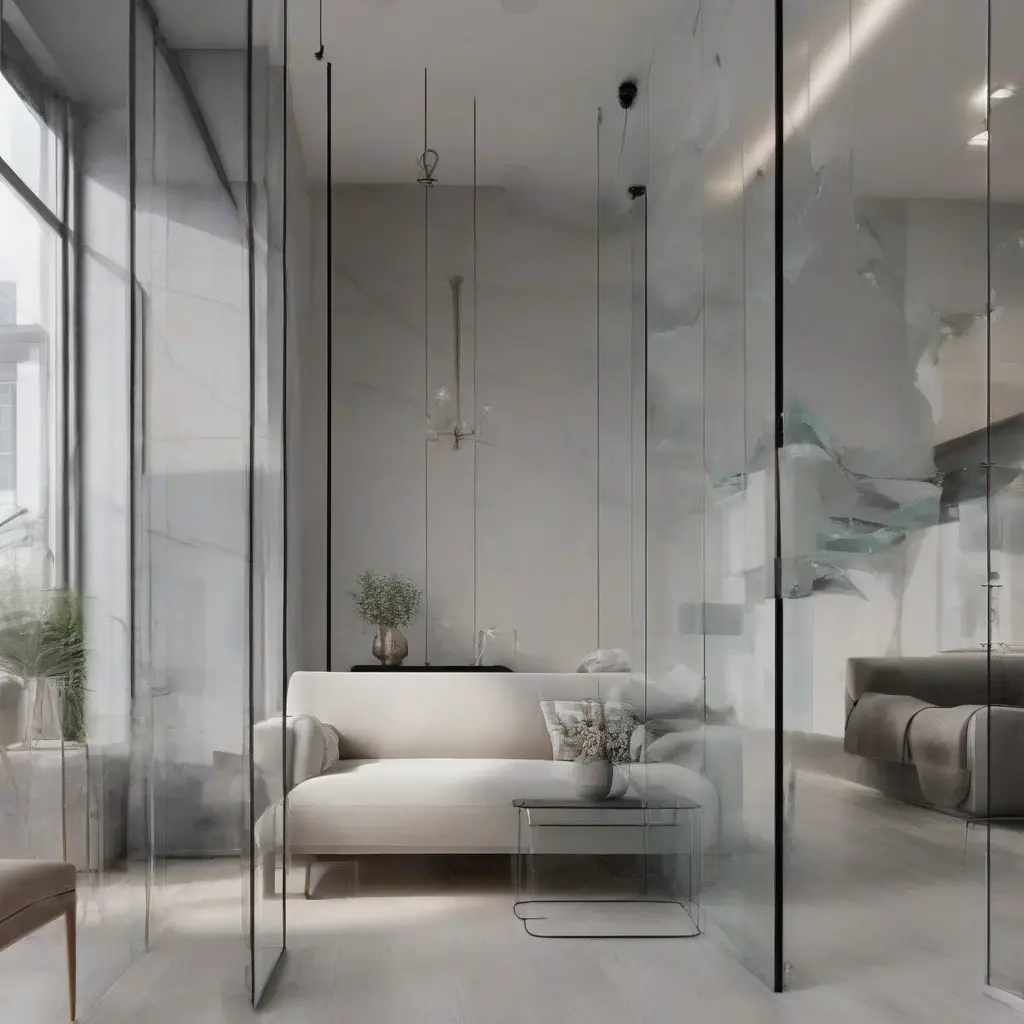
In the realm of interior design, minimalism has gained significant popularity for its focus on simplicity and functionality. One of the most effective materials that can enhance a minimalist interior is tempered glass. Known for its strength and sleek appearance, tempered glass offers a clean aesthetic that aligns perfectly with minimalist principles. This article delves into how tempered glass contributes to minimalist designs by ensuring a seamless flow of space, enhancing natural light, and adding a contemporary touch to various interior elements.
The Aesthetic Appeal of Tempered Glass
Tempered glass is revered for its sleek and modern aesthetic, making it an ideal choice for minimalist interiors. Its clear and unobtrusive nature allows it to blend seamlessly with various design elements, creating an open and airy atmosphere. This visual lightness contributes to the overall minimalist theme, ensuring that the space feels uncluttered and spacious. Whether used in doors, windows, or furniture, the elegant transparency of tempered glass elevates the design, providing a stylish yet understated look.
Enhancing Natural Light
Natural light plays a crucial role in establishing a serene and inviting environment, which is central to minimalist design. Tempered glass maximizes the entry of sunlight into a space, making rooms feel brighter and more expansive. By incorporating large glass windows or walls, homeowners can create a seamless connection between indoor and outdoor spaces, enhancing the feeling of openness. This flood of light not only beautifies the space but also improves mood and productivity, highlighting the functional benefits of minimalist interiors.
Versatility in Design
One of the most significant advantages of tempered glass in minimalist design is its versatility. It can be incorporated into a variety of applications—from tables and shelves to shower enclosures and room dividers. This adaptability allows designers to maintain a cohesive aesthetic while fulfilling different functional needs. By using tempered glass creatively, homeowners can introduce elements that are both practical and stylish, ensuring the space remains minimal yet highly functional.
Creating a Sense of Space
A key principle of minimalist interior design is the effective use of space. Tempered glass, with its transparency, can create an illusion of greater space, making small rooms feel larger than they are. For instance, using glass partitions instead of solid walls can visually open up a space while still allowing for defined areas. This strategy not only maintains privacy but also preserves the airy quality essential to minimalist design, contributing to a peaceful living environment.
Sustainability and Functionality
In today’s eco-conscious world, sustainability has become a pivotal consideration in interior design. Tempered glass is regarded as a sustainable building material due to its durability and recyclability. This material can withstand harsh conditions and has a long lifespan, reducing the need for frequent replacements. Additionally, its capacity to enhance energy efficiency by allowing natural light reduces the reliance on artificial lighting, aligning perfectly with the minimalist ethos of simplicity and sustainability.
Low Maintenance Features
Another compelling reason to incorporate tempered glass into minimalist interiors is its low maintenance requirements. Unlike wood or fabric, glass does not collect dust or allergens, making it easier to maintain a clean and healthy living environment. A simple wipe with a glass cleaner is typically sufficient for upkeep, allowing homeowners to enjoy a beautiful space without the burden of extensive maintenance. This ease of care is essential in minimalist design, where simplicity is paramount.
Innovative Uses of Tempered Glass
The innovative use of tempered glass can transform ordinary spaces into extraordinary ones. Beyond the common applications, designers are increasingly using it in unconventional ways such as glass railings, staircases, and even furniture accents. This trend not only adds a layer of sophistication but also aligns with the minimalist theme through clean lines and seamless transitions. By embracing these creative applications, minimalist interiors can achieve a distinctive yet unpretentious look.
Balancing Transparency and Privacy
A common concern in minimalist designs that utilize large amounts of glass is the balance between transparency and privacy. While tempered glass enhances openness, designers can incorporate frosted or tinted options to provide the necessary privacy without sacrificing light. By using these variations strategically, homeowners can maintain their personal space while enjoying the stunning benefits of glass. This thoughtful application ensures that the principles of minimalism are upheld without compromising comfort.
Conclusion
In conclusion, tempered glass significantly contributes to minimalist interior design by enhancing aesthetics, allowing natural light, and ensuring functional versatility. Its ability to create open spaces, promote sustainability, and offer low maintenance makes it an ideal choice for modern homes. As designers continue to innovate with this remarkable material, the incorporation of tempered glass will undoubtedly remain integral to achieving beautifully minimalist interiors that resonate with simplicity and elegance.
