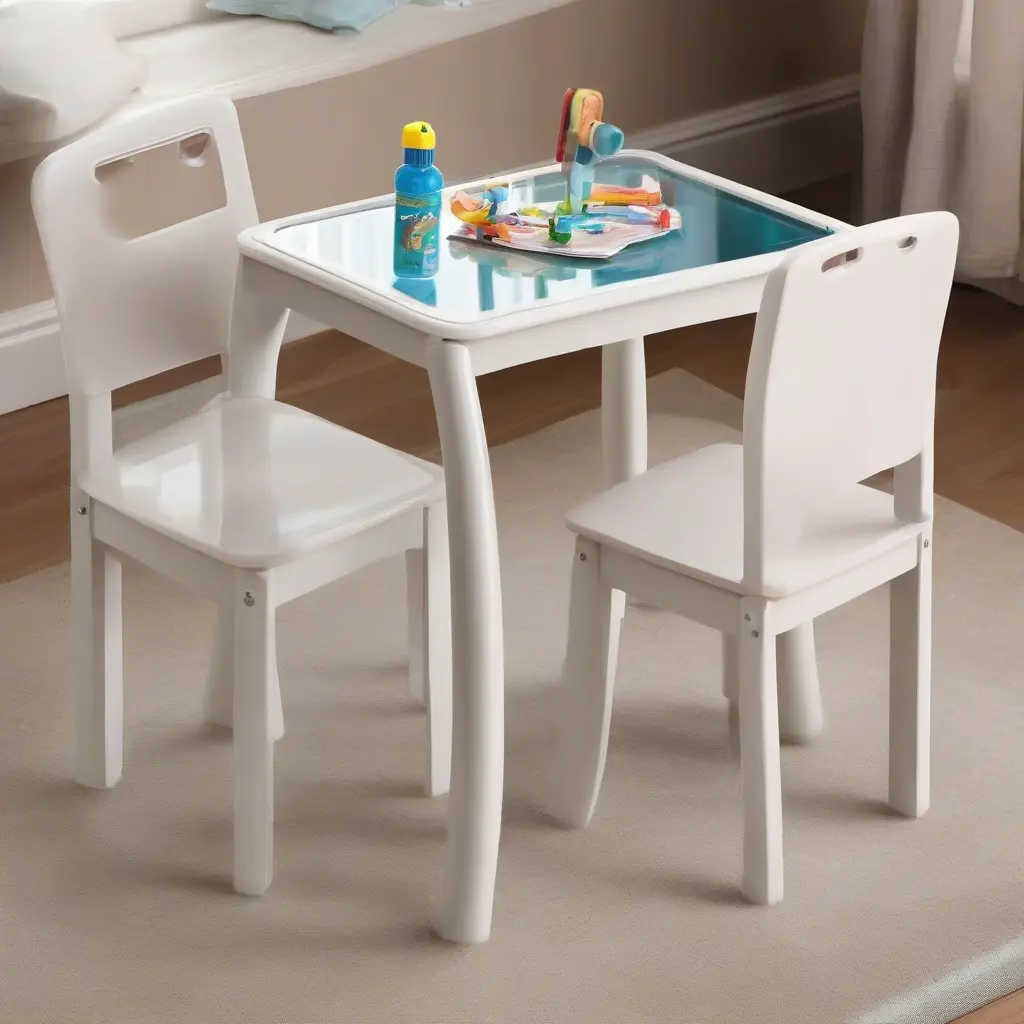
When it comes to children’s furniture, safety, durability, and ease of maintenance are critical. Furnishings featuring tempered glass surfaces can offer an attractive aesthetic while being highly durable. However, caring for such furniture requires a specific approach. Proper maintenance not only ensures the longevity of the surfaces but also promotes a healthier environment for children. This article provides effective tips and strategies on how to care for children’s furniture with tempered glass surfaces, ensuring both safety and aesthetic appeal.
Understanding Tempered Glass
Tempered glass is created through a process of extreme heating and rapid cooling, making it much stronger than regular glass. This unique manufacturing process also enhances its safety features, as tempered glass, when shattered, breaks into small, blunt pieces instead of sharp shards. This quality makes it an excellent choice for children’s furniture, where safety is a primary concern. Understanding these characteristics allows caregivers to appreciate why specific cleaning and maintenance practices are required to maintain its integrity and appearance.
Regular Cleaning Practices
To maintain the beauty of tempered glass surfaces, regular cleaning is essential. Use a soft, lint-free cloth along with a mixture of mild soap and water to gently wipe down the surface. Avoid abrasive materials, as they can scratch the glass and degrade its finish. For tough stains, a little vinegar diluted in water can work wonders. It’s crucial to be gentle during this process to ensure the surface remains smooth and clear, which not only enhances its visual appeal but also improves hygiene.
Choosing the Right Cleaning Solutions
Selecting the appropriate cleaning products is vital when caring for tempered glass. Avoid harsh chemicals and ammonia-based cleaners, as they can damage both the glass and any protective coatings it might have. Instead, opt for non-toxic, pH-neutral cleaners specifically designed for glass surfaces. These solutions can effectively clean without posing health risks to children. Always read the labels to ensure they are suitable for use around children, emphasizing safety while maintaining cleanliness.
Avoiding Temperature Shocks
Tempered glass is resilient to temperature changes compared to regular glass; however, it’s still essential to avoid abrupt temperature shocks. Placing hot dishes or cold items directly on the surface can create thermal stress, potentially leading to cracks. Use coasters and heat-resistant mats to protect the surface from extreme temperatures. This precaution not only extends the life of the furniture but also ensures a safe environment for children during their daily activities.
Preventing Scratches and Damage
To prevent scratches, it’s essential to limit the use of sharp objects on tempered glass surfaces. Children can accidentally drag toys or other items across the glass, creating scratches and marks that diminish its beauty. Use placemats or decorative trays to provide a barrier while creating a fun and vibrant environment. Educating children on handling objects carefully while playing near the furniture can also mitigate potential damage, enhancing safety and maintaining the furniture’s integrity.
Routine Inspections
Conducting routine inspections of children’s furniture is key to identifying potential issues before they become serious. Regularly check for any chips, cracks, or looseness in the glass. Addressing these concerns promptly not only ensures the safety of the furniture but also prevents further damage that can lead to costly repairs. Adding routine checks to your cleaning schedule can make this process seamless and help cultivate an awareness of the furniture’s condition.
Protecting Against Accidental Breakage
While tempered glass is more durable than standard glass, it’s still possible for accidental breakage to occur. To mitigate this risk, consider placing the furniture in safe areas away from high-traffic zones where accidental bumps might happen. Additionally, securing the furniture to walls or using safety brackets can further reduce the risk of tipping or falling. Teaching children about the importance of being cautious around furniture can also be a key component in preventing accidents.
Maintaining Clear Visibility
Maintaining clear visibility of tempered glass surfaces enhances both safety and aesthetic appeal. Regularly check for smudges, fingerprints, or dust accumulation, as these can obstruct visibility and detract from the furniture’s beauty. In households with children, where handprints are common, more frequent cleaning may be necessary. Use a glass cleaner or a vinegar-water solution to wipe down surfaces, ensuring they remain clear and inviting for play and learning activities.
Creating a Safe Play Environment
Creating a safe play environment around tempered glass furniture involves careful planning and organization. Ensure that play areas around the furniture are free from obstacles that could cause children to trip or fall. Implementing soft flooring such as rugs or mats can also provide a cushion in case of slips or accidents. Additionally, encouraging children to engage in supervised play helps establish boundaries, ensuring they are aware of the surroundings while enjoying their time.
Conclusion
Caring for children’s furniture with tempered glass surfaces requires specific attention to cleaning and safety protocols. Regular maintenance not only prolongs the furniture’s lifespan but also ensures a safe play environment for children. By following these guidelines, caregivers can maintain the aesthetic appeal and functionality of the furniture while providing a nurturing space for children to grow and explore.
