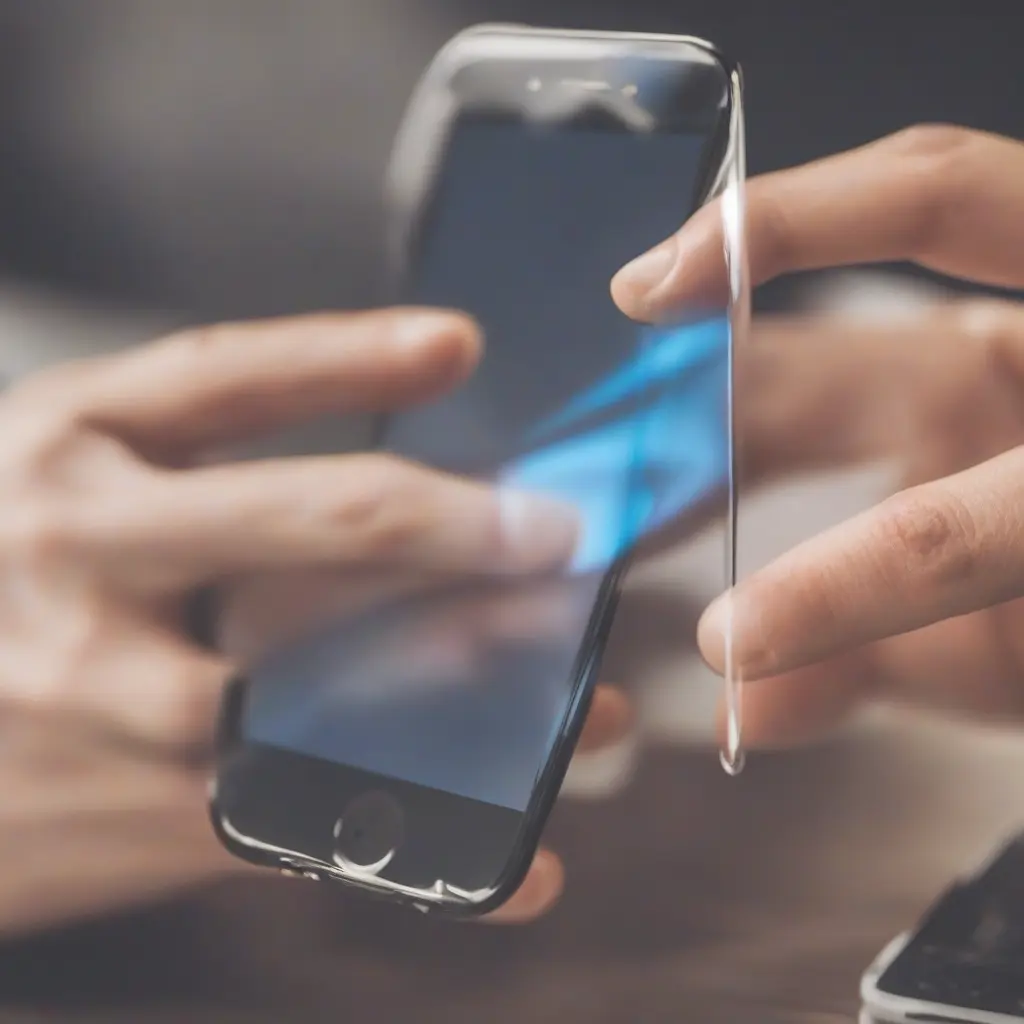
Screen protectors are a popular accessory for smartphones and tablets, offering a layer of protection against scratches and drops. However, their impact on touch sensitivity is a significant consideration for users. Different materials and thicknesses can directly influence how responsive the touchscreen remains after application. Understanding these factors is crucial to ensure a seamless interaction with your device while still maintaining the protection you desire.
Types of Screen Protectors
There are various types of screen protectors, including tempered glass, plastic film, and liquid screen protectors. Tempered glass protectors are popular for their durability and clarity while providing a high level of touch sensitivity. Plastic film protectors, though less expensive, may reduce sensitivity slightly due to their thinner material. Liquid screen protectors offer a unique approach by coating the screen instead of layering over it, impacting tactile response differently depending on the formulation.
Thickness and Touch Sensitivity
The thickness of a screen protector can significantly impact touch sensitivity. Generally, thicker protectors may provide better protection against drops but can lead to a less responsive touchscreen experience. This reduction in sensitivity is often a result of the additional distance between your fingers and the screen. Users may notice that swipes and taps are less fluid compared to using the device without a protector, leading to potential frustration when trying to navigate apps or games.
Material Composition
The materials used in screen protectors influence touch sensitivity as well. Tempered glass, for instance, is engineered to offer a similar tactile experience to a bare screen, often resulting in minimal disruption to touch responsiveness. In contrast, cheaper plastic options may involve coatings that can cause friction, leading to less precise interactions. Selecting a high-quality material can ensure that touch sensitivity remains high while still affording necessary protection.
Application and Installation
Proper application and installation of a screen protector are crucial for maintaining touch sensitivity. Misalignment or bubbles can interfere with the touchscreen’s ability to register inputs accurately. Ensuring that the protector is installed correctly can help maintain the intended tactile experience. Many manufacturers also provide installation kits to help users apply screen protectors without hindrances, further enhancing the device’s usability.
Compatibility with Device Models
Each smartphone and tablet model may react differently to various screen protector types based on design and screen technology. For example, devices with advanced displays, such as OLED or AMOLED screens, may require specially designed protectors to ensure touch sensitivity is not compromised. It’s essential to check compatibility information before purchasing a screen protector, as some brands tailor their products to specific models, ensuring optimal performance.
User Experience and Feedback
User experience can vary significantly with different screen protectors. Many users report a noticeable difference in touch sensitivity when switching between various types and brands. Reading online reviews and forums can provide insights into others’ experiences, helping make an informed decision based on touch performance. Brands that allow for comparisons can be particularly beneficial in gauging which protector will maintain the best touch sensitivity.
Cleaning and Maintenance
Maintaining a screen protector is essential not only for its longevity but also for retaining touch sensitivity. Dust, fingerprints, and grime can accumulate on the surface, which may lead to decreased responsiveness over time. Regular cleaning with microfiber cloths and compatible cleaning solutions can keep the screen clean. Some protectors also come with anti-fingerprint coatings, which aid in maintaining a clearer surface, ultimately enhancing the touch experience.
Impact on Screen Brightness and Clarity
Screen protectors can also affect the brightness and clarity of your device’s display, which can indirectly influence touch sensitivity. Some protectors may reduce brightness or add a tint, leading to increased strain while using the device, making touch interactions feel less precise. High-quality tempered glass protectors typically maintain original display characteristics, allowing for an optimal viewing experience that complements touch capabilities.
Durability vs. Sensitivity Trade-off
Users often face a trade-off between durability and touch sensitivity when selecting a screen protector. While thicker or multi-layered protectors offer advanced protection, they may hinder the overall tactile experience. Conversely, ultra-thin options can provide a more responsive interaction but may not withstand significant impacts. It’s essential to balance personal priorities—protection versus responsiveness—when choosing a screen protector that suits individual needs.
Conclusion
Understanding how screen protectors impact touch sensitivity is critical for any device user. By considering factors like material, thickness, and installation, you can make an informed choice that protects your device while ensuring an optimal user experience. Selecting the right screen protector will help maintain the balance between safeguarding your device and enjoying a responsive touch interface.
