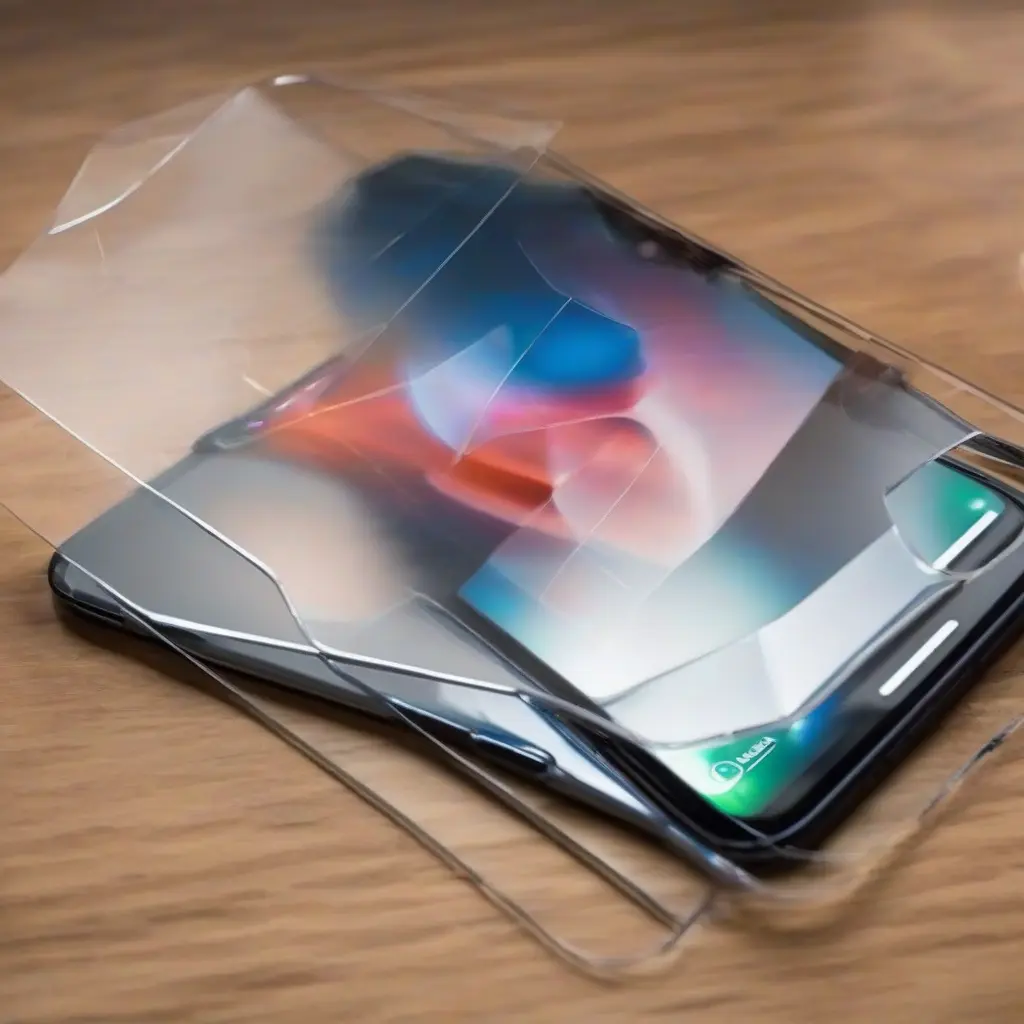
Choosing the right screen protector for your phone model is essential to ensure maximum protection and device functionality. With various options available, navigating through terms like tempered glass and film protectors can be confusing. This comprehensive guide aims to simplify your selection process based on your specific phone model, highlighting the various features, materials, and considerations that can influence your decision. Whether you own the latest flagship smartphone or an older model, understanding how to choose an appropriate screen protector can enhance your device’s longevity and performance.
Understanding Phone Models
Phone models vary significantly in design, size, and screen technology, which directly impacts the type of screen protector you should choose. For instance, flagship models may come with curved displays, necessitating a specific protector designed to cover the edges without compromising the device’s aesthetics. Conversely, older models with flat screens may have more straightforward protector options. Therefore, it’s vital to not only know your phone’s make and model but also understand how its screen design will affect your choice in protecting it.
Types of Screen Protectors
Screen protectors generally fall into two main categories: tempered glass and film protectors. Tempered glass protectors are thicker and provide enhanced durability and resistance against scratches and impacts. Meanwhile, film protectors are relatively thinner, offering moderate protection with better clarity but less impact resistance. Choosing between these types should consider your lifestyle; if you are prone to dropping your phone, a tempered glass protector is more advisable, while a film protector may suffice for light usage.
Material Composition
The material used in screen protectors affects both protectiveness and clarity. Tempered glass is generally the gold standard for protection, offering shatter resistance and enhanced visibility due to its superior optical clarity. On the other hand, TPU (thermoplastic polyurethane) and PET (polyethylene terephthalate) film protectors are more flexible and less likely to create air bubbles during installation. When selecting a protector, consider the balance between visual quality and durability that best fits your needs.
Compatibility with Accessories
When choosing a screen protector, it’s essential to consider how it will interact with other accessories, such as cases or styluses. Some protectors may be too thick, affecting the fit of your phone case or making it difficult to use touch-screen features effectively. To ensure maximum compatibility, select protectors specifically listed as compatible with both your phone model and its accessories. This forethought will help maintain the overall functionality and aesthetic of your device.
Installation Ease
The installation process can vary significantly between different screen protectors. Some products come with an easy application kit, including wipes and dust-removal stickers, while others might not. Pre-cut, self-adhesive options are often user-friendly and reduce the chances of air bubbles that can impede visibility. If you’re not confident in applying a screen protector, consider purchasing one that offers a hassle-free installation process, or seek professional assistance.
Price Considerations
Screen protector prices can vary based on their materials and features. While a high-end tempered glass protector may be more expensive, it often provides better durability and performance compared to inexpensive film options. However, budget constraints should not be ignored when making a choice. Look for balance; spending slightly more on a quality protector can save you money in the long run by preventing costly repairs to your device. Compare prices and reviews to ensure you’re getting the best value based on your needs.
Impact on Touch Sensitivity
Before finalizing your screen protector choice, consider its impact on touch sensitivity. Some cheaper film protectors can create a noticeable lag or dull the responsiveness of your screen, affecting your overall user experience. Tempered glass protectors generally maintain the original touch sensitivity of your device, allowing for a smooth user interface experience. Reading user reviews specifically addressing sensitivity can help gauge which protector performs best in this area.
Cleaning and Maintenance
Proper cleaning and maintenance of your screen protector can prolong its lifespan and maintain your device’s visual clarity. Depending on the material, some protectors may be more resistant to fingerprints and smudges than others. Use a microfiber cloth and screen-safe cleaning solution to maintain the surface, and avoid abrasive materials that can scratch the protector. Regular cleaning will ensure that you continually enjoy a clear view and optimal touch response from your device.
Conclusion
Selecting the right screen protector for your phone model involves understanding various factors, including compatibility, material, installation, and price. By considering these elements, you can make an informed choice that enhances your device’s protection, ensuring longevity and functionality. A thoughtful selection not only safeguards your phone but also contributes to a better user experience, allowing you to enjoy your device without constant worry about potential damage.
