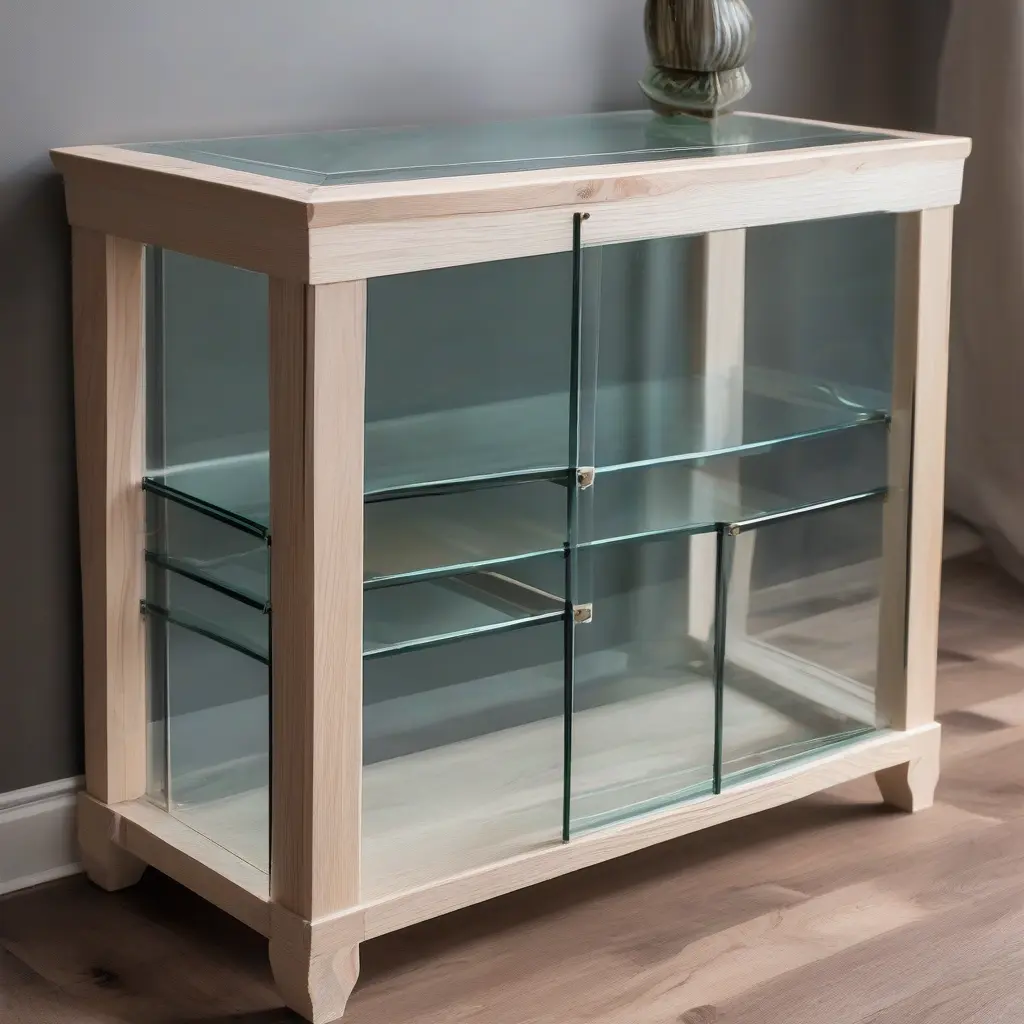
In the world of handmade furniture, incorporating tempered glass can elevate both the aesthetic appeal and the functionality of projects. This durable and safety-enhanced material is a versatile choice for craftsmen looking to create contemporary designs while maintaining structural integrity. Whether you are crafting tables, shelves, or decorative panels, understanding how to properly utilize tempered glass is essential for achieving a professional look and lasting durability. This guide will walk you through the various methods to effectively use tempered glass in your furniture projects.
What is Tempered Glass?
Tempered glass, often referred to as toughened glass, is produced through a process of extreme heating and rapid cooling, enhancing its strength compared to regular glass. This process makes tempered glass significantly more resistant to thermal stress and impacts, reducing the likelihood of shattering. When broken, tempered glass shatters into small, blunt pieces, which is safer than traditional glass. These properties make tempered glass an ideal choice for furniture applications, as it can withstand everyday wear and tear while providing a sleek and modern look.
Benefits of Using Tempered Glass
The benefits of incorporating tempered glass into your handmade furniture projects range from increased safety to enhanced aesthetics. First and foremost, its strength means that it can hold considerable weight, making it suitable for tabletops or shelves. Additionally, tempered glass is easier to clean and maintain, as it resists scratches and stains. Its transparency allows for various design possibilities, from minimalist to bohemian, ensuring that the beauty of the materials used underneath is showcased. These advantages make tempered glass an attractive option for both functional and decorative pieces.
Selecting the Right Thickness
When working with tempered glass, choosing the appropriate thickness is crucial for both safety and design. Common thicknesses range from 4mm to 19mm, with thicker glass offering greater support and durability. For tabletops and shelves, a thickness of 10mm or more is often recommended to ensure stability, especially for large surface areas. Conversely, for smaller decorative elements such as picture frames, a thinner glass may suffice. Assess the intended use of your project to determine the best thickness that will balance aesthetic appeal and functionality.
Preparing for Glass Installation
Before integrating tempered glass into your furniture, proper preparation is necessary to ensure a secure and visually appealing installation. Start by measuring the areas where the glass will be used, allowing for adjustments based on the thickness chosen. Next, ensure that the supporting frame is level and structurally sound, as this will greatly affect the glass’s performance. Also, consider the use of protective padding or rubber gaskets to prevent direct contact with the wooden or metal frame, as this can help reduce the risk of chips and cracks during the installation process.
Methods of Securing Tempered Glass
There are various methods for securing tempered glass in handmade furniture, each offering different benefits and aesthetics. One popular method involves using glass clamps, which provide a modern look while keeping the glass firmly in place. Another option is silicone adhesive, which can offer a clean and seamless appearance, especially in cases where the glass is flush with the surface. For larger installations like tabletops, utilizing a combination of rubber gaskets and metallic supports can provide both strength and visual appeal, ensuring that the glass remains secure and stable.
Finishing Edges for Safety and Style
Finishing the edges of tempered glass is essential not only for safety but also for the overall aesthetic of your furniture project. Sharp edges can pose a risk of injury, so consider opting for a polished or beveled edge finish, which can enhance the glass’s appearance while making it safer to handle. These finishing techniques can create a more professional look while providing comfort and usability. Additionally, the finished edges allow for better adhesion with frames or supports, contributing to the glass’s overall durability and stability.
Incorporating Lighting with Tempered Glass
Incorporating lighting elements with tempered glass can create stunning visual effects in your handmade furniture projects. Glass showcases light well, allowing for creative combinations with LED strips or recessed lighting. For instance, using tempered glass shelving with backlighting can produce an eye-catching atmosphere in living spaces. Additionally, pendant lights featuring glass can add elegance to dining or work areas. Consider how your lighting choices can enhance the overall design and functionality of the piece, encouraging an inviting and stylish environment.
Maintaining Tempered Glass Furniture
To keep your tempered glass furniture looking new and pristine, regular maintenance is key. Use proper cleaning solutions that won’t damage the glass, such as a mixture of vinegar and water or commercial glass cleaners. Avoid harsh chemicals, as they can create streaks or cloudiness over time. It’s also advisable to use soft, lint-free cloths for cleaning to prevent scratches. Regularly inspect the glass and its supporting structures for any signs of wear or damage, ensuring the furniture remains both beautiful and functional for years to come.
Common Mistakes to Avoid
When using tempered glass for handmade furniture projects, it’s crucial to avoid common mistakes that could lead to damage or safety hazards. One frequent error is neglecting proper measurements, which can result in ill-fitting glass panes. Another mistake is failing to account for thermal expansion, as glass expands and contracts with temperature changes. Additionally, not using adequate supports can compromise the glass’s integrity over time. Being aware of these missteps can help ensure your projects are both safe and aesthetically pleasing, leading to a more successful crafting experience.
Conclusion
Utilizing tempered glass in handmade furniture projects offers numerous benefits, including enhanced aesthetics and increased durability. By understanding the advantages and proper techniques for installation, you can create stunning pieces that not only elevate your home decor but also provide functional utility. With careful planning, attention to detail, and periodic maintenance, your tempered glass furniture will remain a timeless addition to your space, reflecting your craftsmanship and style.
