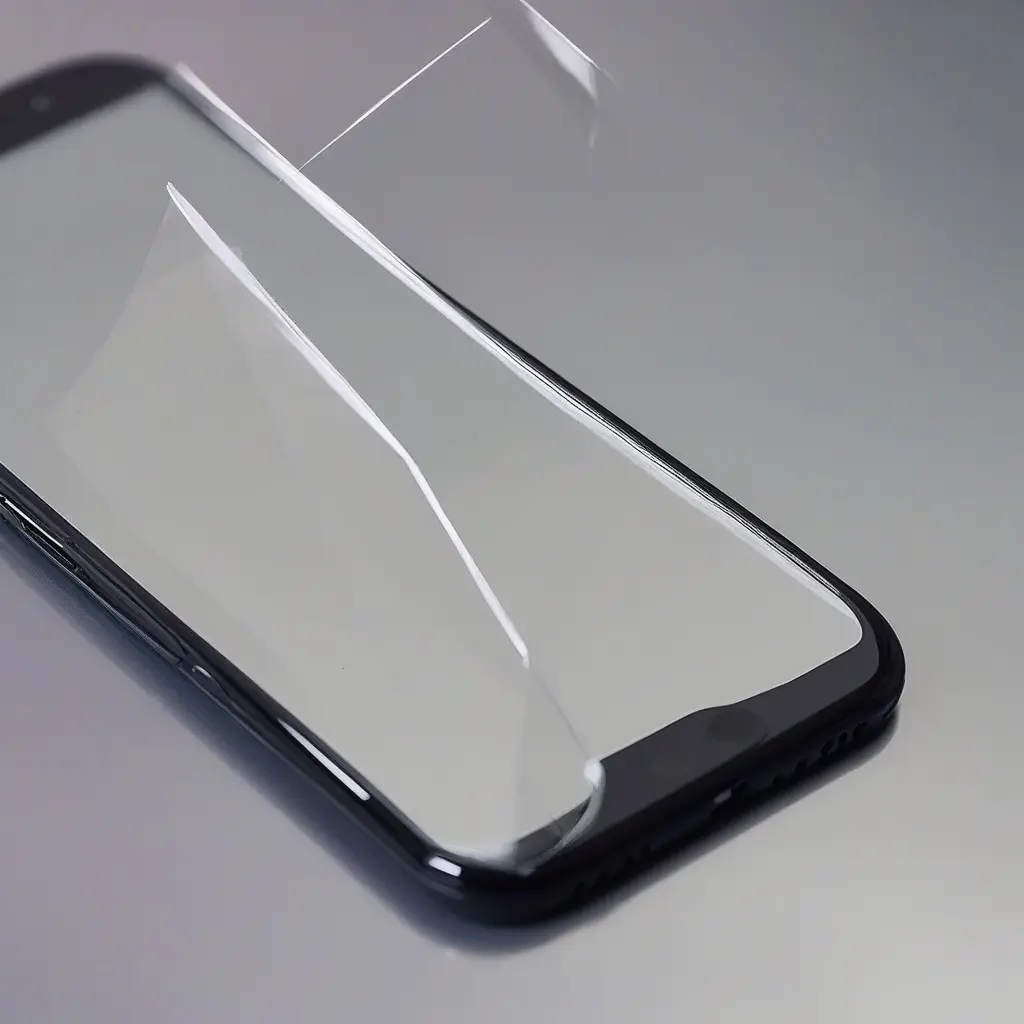
Maintaining the quality of your screen protector over time is essential for keeping your device’s display safe from scratches, smudges, and damage. A screen protector can significantly enhance the durability of your device, but it requires proper care to achieve optimal performance. In this article, we will explore various best practices to ensure that your screen protector remains in top condition, maximizing its protective capabilities while also enhancing your user experience.
Understanding Different Types of Screen Protectors
Screen protectors come in various types, each offering distinctive features and levels of protection. The most common types include tempered glass, plastic film, and liquid screen protectors. Understanding the specific characteristics of each type can aid in selecting the right material for your device and will influence how you maintain it over time. For instance, tempered glass offers superior scratch resistance but requires more careful cleaning compared to plastic film, which may easily scratch but is more affordable.
Regular Cleaning Techniques
Regular cleaning is vital for maintaining screen protector quality. Use a microfiber cloth to gently wipe the surface, as it effectively removes dust and fingerprints without scratching. Avoid using paper towels or rough fabrics that can damage the screen. For deeper cleaning, a solution specifically designed for electronic screens or a mixture of distilled water and isopropyl alcohol can be applied lightly to the cloth before wiping. This routine helps maintain clarity and touch sensitivity, enhancing the overall experience.
Avoiding Extreme Temperatures
Extreme temperatures can adversely affect the integrity of your screen protector. High heat can cause the adhesive to weaken, leading to peeling edges, while extreme cold can make the material brittle. Keeping your device in climate-controlled environments helps preserve the adhesive bond and overall performance of the screen protector. Whenever possible, avoid leaving your device in direct sunlight or in overly cold places, such as inside a car during winter.
Mindful Usage Habits
Being mindful of how you handle your device can extend the life of your screen protector. Avoid placing your device face down on rough surfaces, and don’t pile items on top of it. Additionally, using a protective case reduces the risk of impact damage that could lead to cracks in both the device and the screen protector. Developing these habits fosters a safer environment for your device while maintaining the shield’s effectiveness.
Using Appropriate Cleaning Products
Selecting the right cleaning products is crucial for the longevity of your screen protector. Avoid abrasive cleaners or those containing ammonia, as they can damage the protective layer. Instead, opt for gentle sprays specifically formulated for screens, or use diluted solutions of vinegar or water. Always apply these cleaners to a microfiber cloth rather than directly onto the protector to prevent excess moisture from seeping into the edges and affecting adhesion.
Inspecting for Damage Regularly
Regular inspections of your screen protector are key to identifying any damage early. Look for scratches, cracks, or signs of peeling, as these can compromise the protective qualities. Addressing any minor issues promptly can prevent further deterioration. If significant damage is discovered, consider replacing the protector to ensure that your device remains safeguarded against impacts and abrasions.
Considering Replacement Schedules
Screen protectors are not indestructible and often require periodic replacement. Depending on usage patterns, consider replacing the protector every six months to a year, particularly if you notice diminished clarity or increased scratches. Regular renewals allow you to benefit from the latest materials and technologies in screen protection, thereby enhancing your device’s longevity while maintaining a crystal-clear view.
Avoiding Heavy Scratches
To avoid deep scratches on your screen protector, be cautious about what you keep in your pockets or bags alongside your device. Items like keys and coins can cause unnecessary wear and tear if they come into contact with the screen. Keeping your device in a separate compartment or using a sleeve can prevent accidental damage and help maintain the screen protector’s quality over time. A little awareness can go a long way in ensuring that your investment remains intact.
Educating Yourself on Screen Care
Staying informed about the best care practices for your screen protector can significantly enhance its durability. Read the manufacturer’s guidelines and online resources to understand the specific needs of your protector type. Knowledge about compatible accessories, cleaning techniques, and general maintenance tips can empower you to make informed decisions, ensuring optimal protection for your device while avoiding common mistakes that lead to premature wear.
Conclusion
Maintaining the quality of your screen protector requires consistent care, informed choices, and mindful habits. By adopting best practices such as regular cleaning, avoiding extreme temperatures, and promptly addressing damages, you can extend the lifespan of your screen protector significantly. This not only preserves the aesthetic and functional aspects of your device but also provides peace of mind knowing that your investment is well protected.
