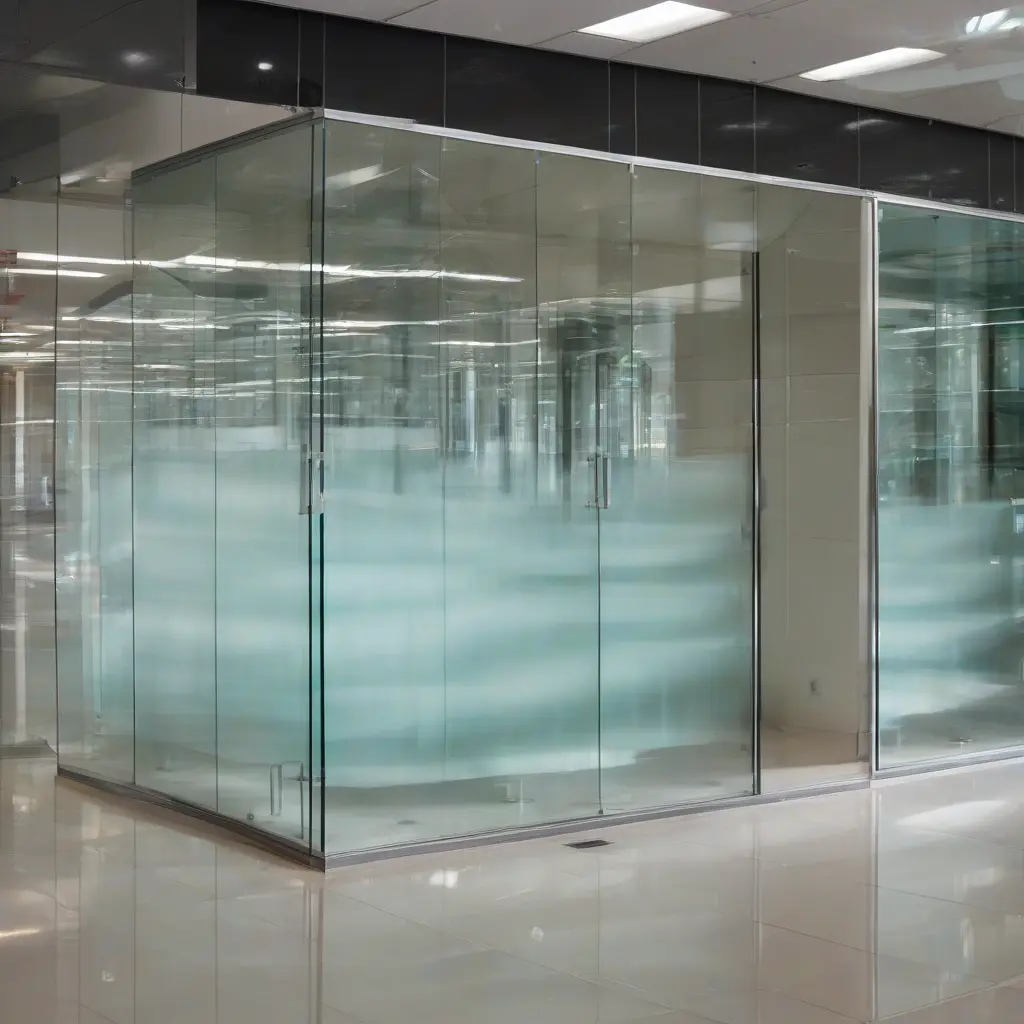
Tempered glass is a type of safety glass that is processed by controlled thermal or chemical treatments to increase its strength compared to standard glass. This makes it resistant to thermal stress and impacts, making it an ideal choice for a variety of applications. However, not all tempered glass is the same, as it comes in various types, each designed for specific uses. Understanding the differences can help you choose the right type based on functionality, strength, and aesthetic appeal for your project.
What is Tempered Glass?
Tempered glass, also known as toughened glass, is manufactured through a process of extreme heating and rapid cooling. This technique alters the physical properties of the glass, giving it increased strength and resistance to thermal fluctuations and breakage. Unlike regular glass, when tempered glass breaks, it shatters into small, blunt pieces rather than sharp shards, reducing the risk of injury. Its applications span from windows and doors to shower enclosures and glass furniture, demonstrating its versatility and safety features.
Benefits of Using Tempered Glass
The primary benefit of tempered glass is its enhanced strength, making it about five times stronger than standard glass of the same thickness. This robustness enables it to withstand high pressures and impacts, making it a preferred choice for safety applications. Additionally, tempered glass has excellent thermal resistance, which allows it to endure extreme temperature changes without cracking. Its safety features, combined with the visual clarity and elegance it offers, make it suitable for both residential and commercial uses.
Different Types of Tempered Glass
There are several types of tempered glass, tailored for various applications. While all types share the strength characteristics of tempered glass, they differ in thickness, treatment processes, and coatings. Common types include heat-strengthened glass, which is often used in façade applications, and laminated tempered glass, which combines two or more sheets for added safety. Understanding these variations is crucial when selecting the appropriate type for specific building codes or aesthetic desires.
Heat-Treated Tempered Glass
Heat-treated tempered glass undergoes a process where it is heated to high temperatures and then quickly cooled. This method enhances its strength and allows for a broader range of applications, such as in automotive or architectural use. Its ability to withstand thermal stress makes it ideal for use in environments where temperature fluctuations are frequent. This type can also be used for larger installations without the risk of breakage, providing an excellent option for expansive glass facades.
Laminated Tempered Glass
Laminated tempered glass consists of two or more tempered glass layers bonded together with an interlayer, usually made from polyvinyl butyral (PVB). This type of glass offers enhanced sound insulation and UV protection, making it suitable for environments requiring privacy or noise reduction. Additionally, if broken, the interlayer holds the glass shards together, enhancing safety further. Its applications are common in high-rise buildings, skylights, and areas where enhanced security is desired.
Tinted Tempered Glass
Tinted tempered glass includes a pigment that is added during the manufacturing process to reduce glare and heat gain from sunlight. This type is particularly useful in buildings located in sunny climates or for applications such as car windows or sunrooms. The tinted feature not only adds aesthetic value but also contributes to energy efficiency by helping to maintain indoor temperatures. Furthermore, it can enhance privacy while still allowing natural light to filter through.
Low-E Tempered Glass
Low-E tempered glass features a microscopically thin coating that reflects infrared light while allowing visible light to pass through. This technology improves energy efficiency by reducing heat transfer, making it an excellent choice for both residential and commercial properties. Low-E glass helps in maintaining comfortable indoor temperatures year-round, decreasing reliance on heating and cooling systems. Its application can be seen in energy-efficient windows, which are increasingly important in sustainable building practices.
Applications of Tempered Glass
Tempered glass is widely used across various sectors due to its robustness and safety features. It plays a significant role in residential architecture, such as in shower doors, balconies, and glass railings. In commercial settings, it serves in storefronts, office partitions, and curtain walls. Its application extends to automotive glass, where its strength and shatter-resistant properties are imperative for safety. The diverse functionalities of tempered glass make it a go-to choice across industries focused on safety and design.
How to Choose the Right Tempered Glass
Choosing the right type of tempered glass largely depends on the specific application and requirements of the project. Factors to consider include the thickness, desired strength, thermal resistance, and any aesthetic preferences like tinting or transparency levels. It’s crucial to consult with a professional who can provide guidance based on industry standards and building codes. Additionally, understanding the intended use, whether for structural support or purely aesthetic purposes, will influence the selection process.
Installation Guidelines for Tempered Glass
Proper installation is essential for the performance and safety of tempered glass. It is recommended to utilize certified professionals who are skilled in glass handling and installation to prevent any accidents or errors. During installation, ensure appropriate supports and frames are in place, and consider the environmental factors, such as temperature changes and humidity. Proper sealing and securing methods are also vital to maintaining the integrity of the glass throughout its lifespan.
Maintenance Tips for Tempered Glass
Maintaining tempered glass is relatively simple, but it requires attention to detail. Regular cleaning with a soft microfiber cloth and a mild glass cleaner will help maintain its clarity and shine. Avoid using abrasive materials, as these can scratch the surface. Additionally, checking for any signs of wear or damage, especially around edges and fittings where stress might accumulate, is critical. With proper care, tempered glass can maintain its appearance and structural integrity for many years.
Conclusion
Understanding the different types of tempered glass and their respective applications is key to selecting the right option for your project. Whether you need enhanced safety, thermal efficiency, or aesthetic appeal, there is a type of tempered glass designed to meet those needs. By considering factors such as material properties and installation guidelines, you can ensure that your choice of glass not only fulfills safety requirements but also enhances the overall design of the space.
