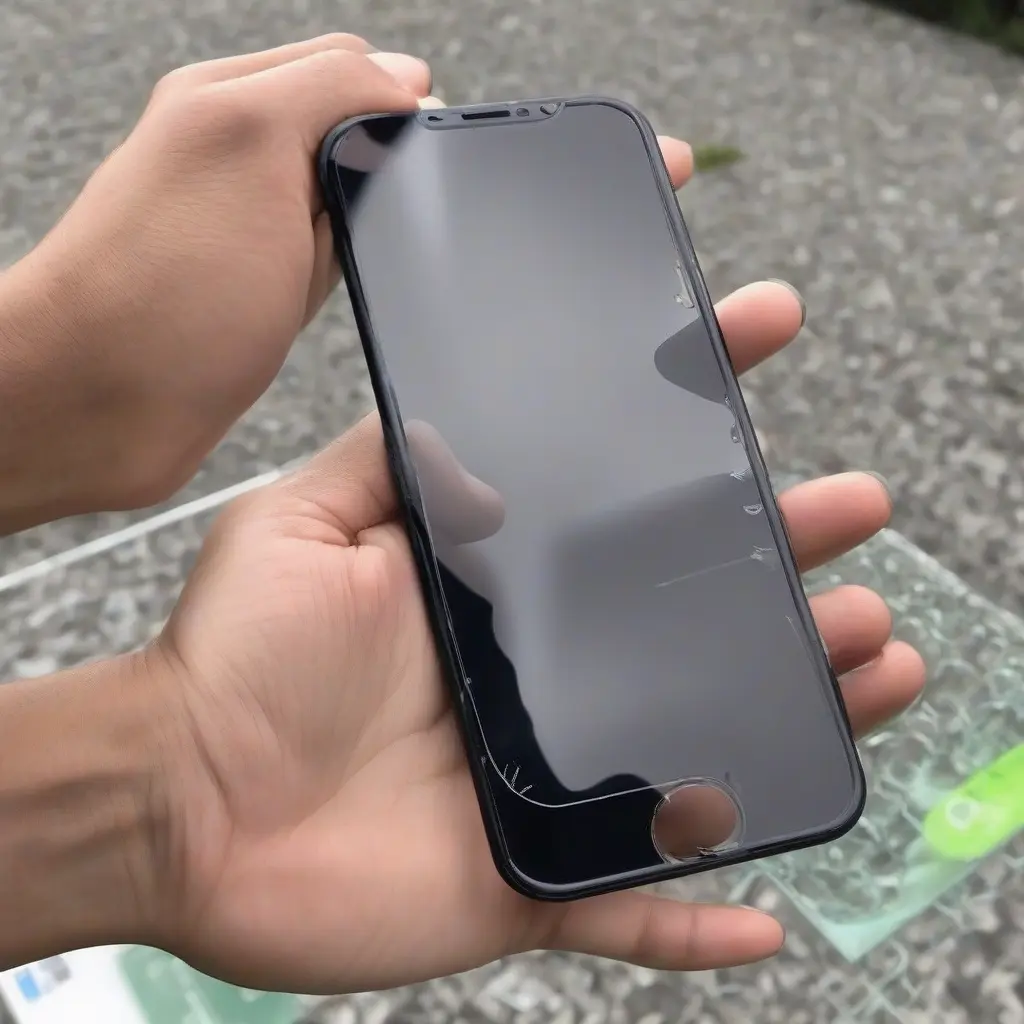
Assessing the clarity of a screen protector before making a purchase is essential for ensuring that your device displays vibrant colors and sharp images. A poor-quality screen protector can diminish the visual experience, leading to frustration and disappointment. In this guide, we will explore various methods and criteria to evaluate screen protector clarity effectively. Whether you are shopping online or in-store, understanding how to test for clarity can help you make an informed choice and safeguard your visual enjoyment.
Understanding Screen Protector Types
Screen protectors come in various types, including tempered glass, PET film, and TPU film, each with its own visual properties. Tempered glass protectors usually offer the best clarity and impact resistance, while PET and TPU protectors can be less clear but are often more flexible. Familiarizing yourself with these types is crucial, as they directly influence how light passes through the material. Ultimately, knowing which type aligns with your clarity expectations can help streamline your purchase process.
Visual Testing Method
One effective way to assess screen protector clarity is through visual testing. Hold the protector in front of various colors and patterns to see how they appear. Look for distortion, color changes, or blurriness when viewed at different angles. A high-quality screen protector will allow colors to remain true and details to stay sharp. This simple method can determine whether the screen protector meets your visual standards before you buy it.
The Newspaper Test
Utilizing the newspaper test can efficiently gauge the clarity of a screen protector. Place a newspaper beneath the screen protector and examine the text through it. If the letters appear blurry or distorted, the protector may not be suitable for your needs. A clear protector allows for crisp and legible text, ensuring that you can read easily without straining your eyes. This straightforward test can reveal the potential issues before the purchase.
Light Reflection Test
The light reflection test is another practical method to evaluate the clarity of a screen protector. Hold the protector up to a light source and look for reflections. A quality screen protector minimizes glare and reflections, which can otherwise distract from the viewing experience. If the screen protector reflects too much light, it may indicate that it is not the best option for maintaining visual clarity. This evaluation can save you from buying a low-quality product.
Touch Sensitivity Evaluation
While clarity is crucial, touch sensitivity should not be overlooked. A high-quality screen protector should not only provide clear visuals but also maintain responsive touch capabilities. Before purchasing, try using your device through the protector if possible. Swipe, tap, and pinch to test if the responsiveness meets your expectations. This evaluation helps ensure that you won’t compromise functionality for clarity when selecting a screen protector.
Comparative Analysis with Competitors
If you’re able to compare different screen protectors side by side, it can significantly aid in assessing clarity. Place the protectors over a similar image or text and observe the differences. Not all brands offer the same quality; thus, grasping these variations can help determine which option provides the best clarity. This comparative approach not only enhances your decision-making but also allows you to find the most suitable protector for your specific needs.
Reviews and Ratings Research
Consumer reviews and ratings can provide valuable insights into the clarity of various screen protectors. Check online marketplaces and review sites to read feedback from other users who have tested the product. Look for comments that specifically mention clarity and visual experience. These perspectives can unveil the practical performance of the screen protector, guiding you toward a more informed purchase. Being aware of others’ experiences can help you avoid products that fall short of clarity expectations.
Checking Warranty and Return Policies
Understanding the warranty and return policies for screen protectors can significantly impact your purchasing decision. Many reputable brands offer guarantees or return options if you find the clarity unsatisfactory after use. Prioritizing products with these policies allows you to test the protector in your daily environment, ensuring it meets your clarity expectations. This added security minimizes the risks associated with your investment.
Shopping Online vs. In-Store
Deciding whether to shop online or in-store can also influence how you test screen protector clarity. In-store shopping allows you to physically test the product, while online shopping often provides reviews and comparison charts. If purchasing online, make sure to choose sellers who offer detailed images and authenticity guarantees. Weighing the pros and cons of each shopping method will help you find the best approach to ensure clarity before making a purchase.
Conclusion
Testing the clarity of your screen protector before purchase is vital for ensuring optimal visual quality. By employing methods like visual tests, newspaper evaluations, and comparative analyses, you can make a well-informed decision. The right screen protector enhances your device’s usability and enjoyment. Prioritize clarity alongside functionality to achieve the best viewing experience that fits your needs.
