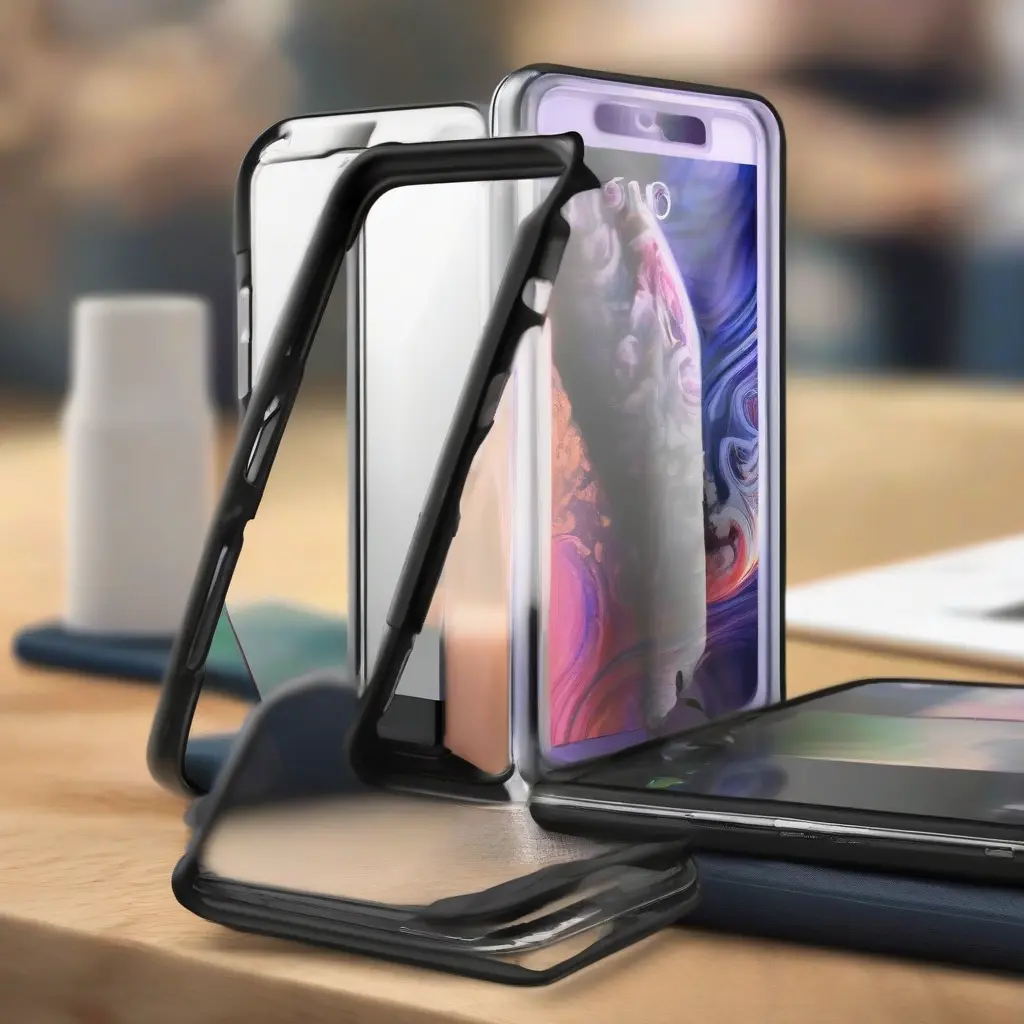
As smartphones continue to evolve, protecting them has become paramount for users. Among various protection options, phone cases with built-in screen protectors have gained traction. These dual-feature cases promise to shield devices from drops, scratches, and everyday wear. However, many users wonder if they are truly worth the investment. This article dives into the pros and cons of these cases, exploring their effectiveness and suitability for different lifestyles.
Understanding Phone Cases with Built-In Screen Protectors
Phone cases with built-in screen protectors are specially designed to provide comprehensive protection for your devices. These cases typically combine durable materials with a layered screen cover, safeguarding both the phone’s body and display from damage. They offer a seamless solution compared to traditional screen protectors, eliminating the need for separate installation. As companies innovate in this realm, these cases are increasingly available in various styles and materials, catering to diverse user preferences and needs.
The Advantages of Built-In Screen Protectors
One of the most significant advantages of phone cases with built-in screen protectors is their convenience. Users benefit from the all-in-one design that ensures comprehensive coverage without the hassle of applying a traditional screen protector. Additionally, these cases often enhance shock absorption, which is crucial during accidental drops. The integrated design also minimizes air bubbles and misalignments commonly associated with separate screen protectors, ultimately providing a smoother user experience.
Durability and Material Quality
The durability of phone cases and their built-in screen protectors greatly varies based on materials used. Many cases incorporate high-quality plastics or silicone that can withstand impact and abrasion. Polycarbonate and TPU (thermoplastic polyurethane) are common materials that enhance protective qualities. However, users need to choose brands and models that have undergone rigorous testing to ensure that the materials truly serve their protective purpose, providing reassurance against drops and scratches.
Impact on Touch Sensitivity
When selecting a phone case with a built-in screen protector, touch sensitivity remains a crucial consideration. Some consumers express concerns that the added layer might hinder responsiveness, making interaction less enjoyable. High-quality protectors, however, typically maintain sensitivity, allowing for seamless usage. It’s important to read reviews or test cases to ensure that the case does not hinder the overall functionality of the device, particularly for those who frequently use touch-based applications.
Style and Personalization Options
Consumers today often seek cases that reflect their personal style, and those with built-in screen protectors are no different. These cases come in an array of colors, patterns, and designs, allowing users to express their individuality while ensuring phone protection. Whether looking for a subtle look or a vibrant statement piece, the market offers diverse options. This combination of aesthetic appeal and functionality makes them an attractive choice for many users who desire both style and safety.
Cost-Effectiveness of Combined Protection
Cost-effectiveness is another critical factor when evaluating phone cases with built-in screen protectors. While they may have a higher upfront cost compared to traditional cases and separate screen protectors, the two-in-one functionality can save money in the long run. Purchasing a standalone case and protector may lead to higher cumulative costs, particularly if either component needs replacement. Hence, investing in a high-quality integrated case can prove to be more economical over time.
Potential Drawbacks of Built-In Protectors
Despite their advantages, built-in screen protectors do come with some drawbacks. For users who prefer customizing their setups with varied screen protectors, these cases may limit options. Furthermore, if the screen protector gets damaged or scratched, the entire case may need replacement, which could be less economical than simply replacing a standalone screen protector. Understanding these trade-offs helps consumers make informed decisions based on their specific needs and usage patterns.
Compatibility with Wireless Charging
With the increasing popularity of wireless charging, compatibility becomes an essential consideration for phone cases with built-in screen protectors. Some cases may interfere with the charging process, particularly if they are thick or inadequately designed. Buyers should verify that their chosen case supports wireless charging to avoid any inconvenience. Many manufacturers now design cases specifically catering to this need, ensuring users can enjoy the benefits of wireless charging without sacrificing protection.
Choosing the Right Case for Your Lifestyle
Selecting the ideal phone case with a built-in screen protector largely depends on personal lifestyle and usage patterns. Active individuals may prioritize rugged designs that provide maximum impact resistance, while others may choose slimmer models for everyday use. Understanding specific needs is crucial, as some users may require extra durability for outdoor adventures, while others may seek a case that simply matches their aesthetic without compromising protection. Assessing activity levels and environments will help guide the decision.
User Experiences and Feedback
User reviews and feedback play a vital role in understanding the effectiveness of phone cases with built-in screen protectors. Many users share experiences regarding durability, ease of use, and overall satisfaction. Exploring various platforms, such as eCommerce sites and tech review blogs, provides insights into real-world performance. Individuals should consider both positive and negative feedback before purchasing to gain a comprehensive understanding of how a particular case may perform in everyday situations.
Comparing Options: Built-In vs. Traditional Protectors
When considering phone protection, comparing built-in screen protectors to traditional options is essential. Built-in protectors offer convenience and integrated design, while traditional screen protectors may provide specific features, such as anti-glare or blue light filtering. Finding the right balance between convenience and specialized features can help users make the best decision according to their specific needs. Understanding the differences, including cost and usability, leads to a more informed purchase.
Conclusion
In conclusion, phone cases with built-in screen protectors offer a practical solution for many users seeking comprehensive device protection. While they come with certain limitations, the convenience and functionality they provide can be valuable. Ultimately, whether they are worth the investment depends on individual needs and preferences. By carefully assessing lifestyle, usage patterns, and budget, consumers can make an informed decision that best serves their smartphone protection requirements.
