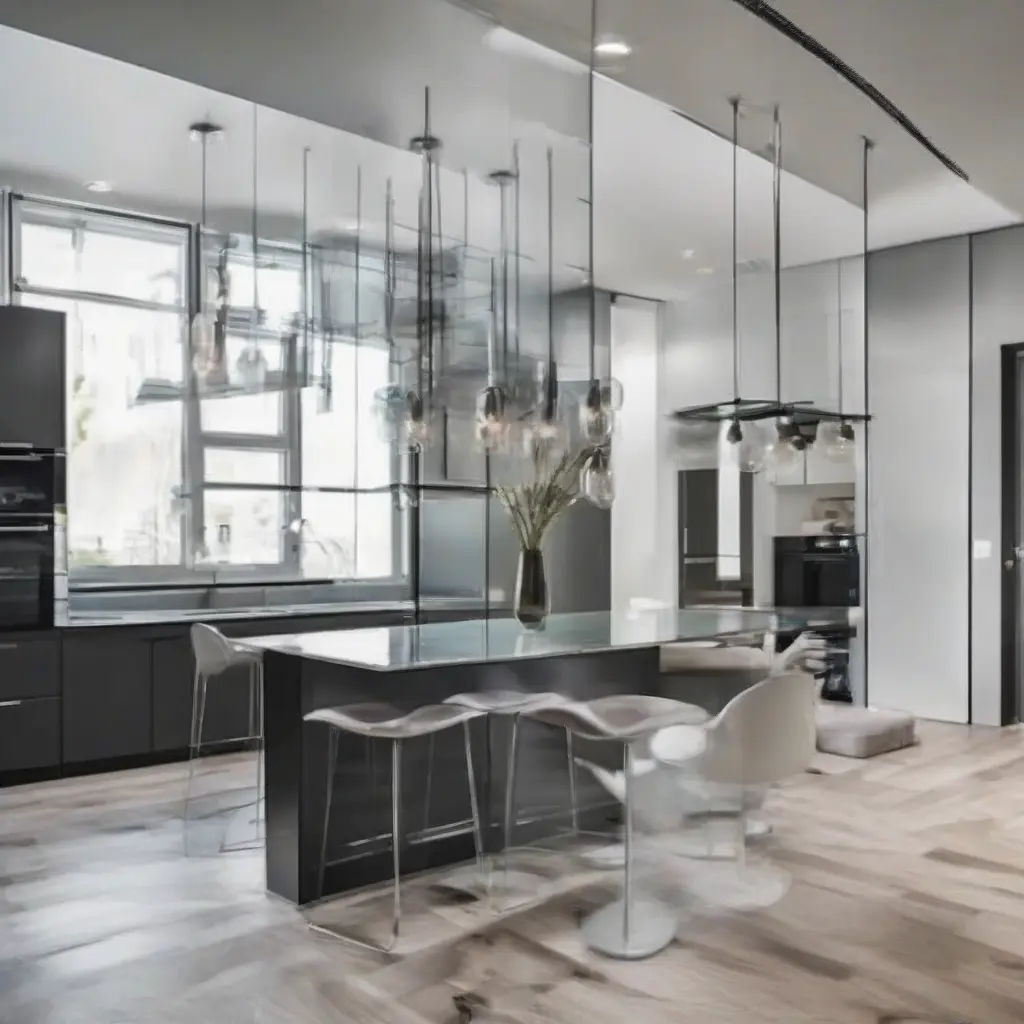
When it comes to home renovations, tempered glass products offer a perfect blend of aesthetic appeal and safety. Understanding the various cost factors involved in selecting and installing tempered glass can help homeowners make informed choices. These factors can range from material quality to manufacturing processes, which ultimately influence the final price. Additionally, knowing these elements can help in budgeting and ensuring that the investment aligns with both visual expectations and functionality requirements.
Material Quality and Thickness
One of the primary cost factors in tempered glass products is the quality and thickness of the material. Higher quality glass is made from premium raw materials, which tend to be more durable and resistant to scratches. Thicker glass often provides better insulation and safety features but also increases costs. Homeowners should consider their specific needs, as selecting the right thickness is crucial for various applications, including doors, windows, and shower enclosures.
Manufacturing Process
The manufacturing process of tempered glass significantly impacts its cost. Tempered glass is produced by heating standard glass to high temperatures before rapidly cooling it, which strengthens the material. This process requires specialized equipment and skilled labor, adding to the production costs. Moreover, variations in manufacturing techniques, such as the use of automated versus manual processes, can influence pricing. Understanding these aspects can help homeowners evaluate quotes from different suppliers.
Customization Options
Customization is another critical factor affecting the cost of tempered glass products. Homeowners may want specific sizes, shapes, or finishes that deviate from standard offerings. Customization often requires additional processing time and resources, which can significantly increase the overall price. Whether opting for custom-cut pieces, unique colors, or decorative elements, understanding the implications of customization is essential for setting a realistic budget for home renovations.
Transportation and Delivery Costs
Transportation and delivery costs can add a substantial amount to the overall expense of tempered glass products. The fragility of glass necessitates careful handling and secure packaging, which might increase shipping fees. Additionally, the distance from the manufacturer to the installation site can impact delivery costs. Homeowners need to consider these factors, as selecting local suppliers may help mitigate transportation expenses and improve the efficiency of the renovation timeline.
Installation Costs
Installation costs are a significant consideration when budgeting for tempered glass products. Hiring professional installers can ensure proper handling and placement, which is critical for safety and longevity. The complexity of the installation process, including necessary framing or support structures, can also affect pricing. Homeowners should obtain multiple quotes to gain insights into typical installation costs and assess whether they prefer to tackle the installation themselves or hire professionals.
Regulatory and Safety Standards
Understanding local regulatory and safety standards is essential when planning to use tempered glass products in home renovations. Many regions have specific codes that dictate the thickness and type of glass required for safety reasons, particularly in areas prone to accidents. Compliance with these standards can lead to higher costs due to the need for specialized glass or additional safety features. Homeowners should consult local regulations to ensure that their selection meets all legal requirements.
Long-Term Value and Durability
Investing in tempered glass can offer long-term value due to its durability and low maintenance requirements. Despite the initial higher cost, tempered glass products tend to last longer than standard glass, reducing the frequency of replacements. Additionally, they can provide enhanced energy efficiency, leading to lower utility bills over time. When assessing costs, homeowners should weigh these long-term benefits against initial expenses to make a more informed financial decision.
Aesthetic Appeal and Trends
Aesthetic appeal is a significant driving factor for homeowners when choosing tempered glass products. The versatility of glass allows it to complement various design styles, from modern to traditional. Current trends may also influence costs, as certain styles or finishes may be more popular and thus pricier. Homeowners should research trending designs to ensure that their choices in tempered glass not only meet budgetary constraints but also enhance the overall aesthetic of their renovation projects.
Future Maintenance Considerations
Future maintenance considerations play a vital role in the overall cost of tempered glass products. While tempered glass is known for its durability, regular cleaning and potential repairs are still necessary to maintain its appearance and functionality. Homeowners should factor in the cost of cleaning supplies, as well as any potential repairs, especially in high-traffic areas. Understanding the long-term care needs of tempered glass can help in creating a sustainable renovation plan that remains budget-friendly.
Conclusion
In conclusion, understanding the cost factors of tempered glass products is crucial for homeowners embarking on renovation projects. By considering elements such as material quality, manufacturing processes, customization, and installation costs, individuals can make more informed decisions. Ultimately, taking the time to evaluate these factors can lead to a successful and aesthetically pleasing renovation that enhances the value of the home.
