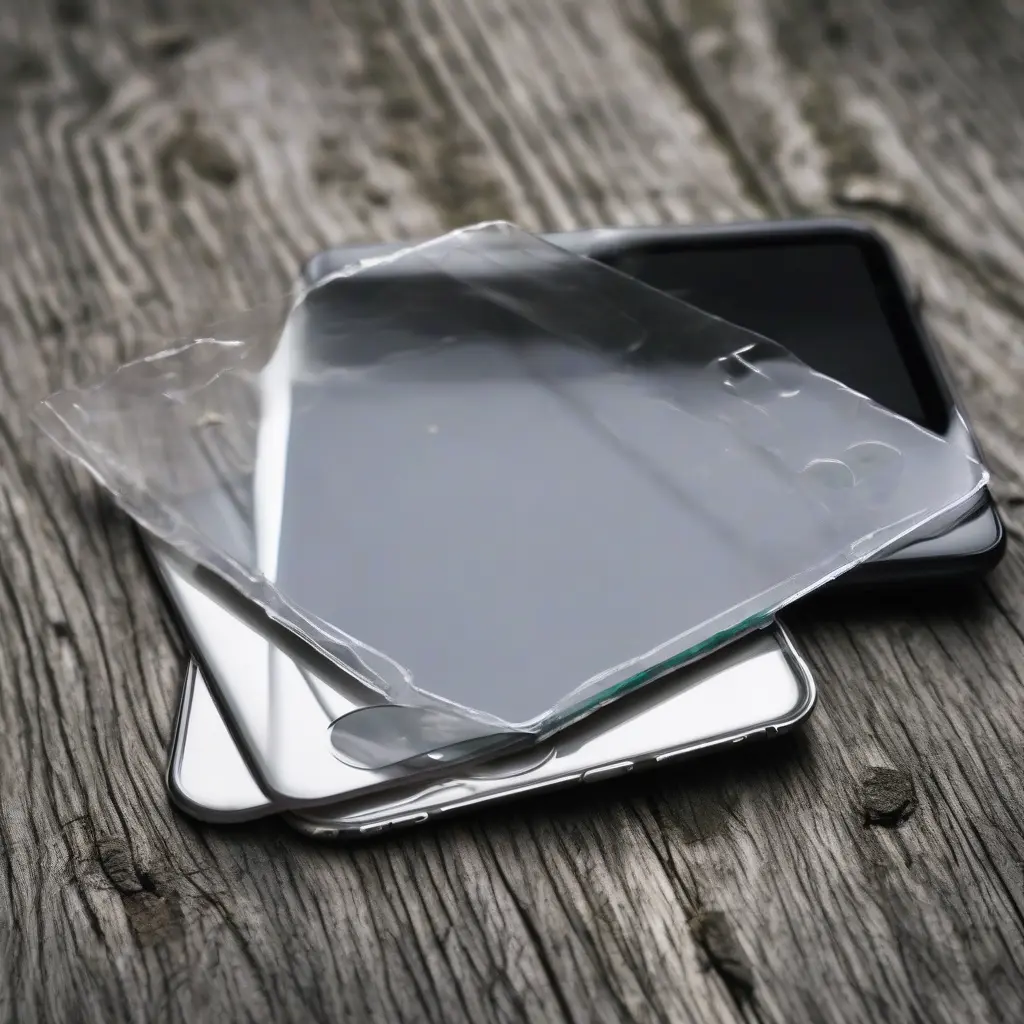
The rise of smartphones has fueled a booming market for disposable screen protectors, but many users are unaware of their environmental impact. Each year, millions of these products end up in landfills, contributing to plastic pollution and harming ecosystems. Understanding the materials used, their biodegradability, and the options available can inform consumers about making more sustainable choices in their tech accessories. This article explores the comprehensive environmental footprint of disposable screen protectors and offers insights into eco-friendlier alternatives.
What are Disposable Screen Protectors?
Disposable screen protectors are thin films designed to shield smartphone screens from scratches, cracks, and other forms of damage. Typically made from plastic, such as PET (polyethylene terephthalate), these protectors are often marketed as easy-to-apply and affordable. Although they provide short-term benefits for device owners, the convenience comes with a significant environmental cost, especially when discarded after short usage periods or when upgrading devices. Understanding their composition is crucial for evaluating their environmental impact.
Environmental Footprint of Production
The manufacturing process of disposable screen protectors contributes significantly to environmental degradation. The extraction of raw materials, primarily petroleum products, leads to air and water pollution. This production process also generates greenhouse gas emissions, which intensify global warming. Furthermore, the energy-intensive processes involved in creating these products lead to increased carbon footprints, which impact the planet’s climate. Educating consumers about these production-related issues can foster a more sustainable approach to tech accessories.
Waste Generation from Disposable Screen Protectors
Disposable screen protectors contribute to the ever-growing waste problem. Once discarded, they may take hundreds of years to decompose, releasing harmful chemicals into the soil and water systems during their breakdown. Moreover, their lightweight nature often makes them prone to becoming litter in various environments, from urban areas to natural landscapes. This waste exacerbates global plastic pollution, affecting wildlife and ecosystems. Awareness surrounding this issue is crucial for driving action towards more sustainable practices.
Microplastics and Their Impact
One of the less visible, yet significant, consequences of using disposable screen protectors is the release of microplastics. When these products break down, they can generate tiny plastic particles that infiltrate water bodies, soil, and even the atmosphere. Microplastics pose serious risks to marine life, as fish and other organisms can ingest them, leading to potential health issues within the food chain. The broader implications for human health, particularly as microplastics enter our food and drinking water systems, further complicate the environmental narrative.
Potential Alternatives to Disposable Screen Protectors
Several alternatives to disposable screen protectors can significantly reduce environmental impact. Reusable screen protectors, often made from more sustainable materials, offer a long-lasting solution that minimizes waste. Additionally, tempered glass protectors are more durable and can be recycled at the end of their life cycle. Finally, exploring natural options, such as biodegradable protectors, aligns with the growing demand for eco-friendly products. These alternatives serve both to protect devices and reduce ecological harm.
Consumer Awareness and Responsibility
Raising consumer awareness about the environmental impact of disposable screen protectors is essential for driving change. Educational campaigns can inform users about sustainable alternatives, helping them make informed decisions when purchasing tech accessories. Additionally, consumers can support brands that prioritize eco-friendly manufacturing practices. By advocating for responsible consumption and engaging in recycling programs, individuals can make significant strides toward reducing plastic waste in the environment, benefiting both their devices and the planet.
Long-Term Ecological Effects
The long-term ecological effects of disposable screen protectors extend beyond immediate waste concerns. As plastic accumulation continues, ecosystems face major disruptions, including habitat destruction and alterations in animal behavior. Wildlife may ingest microplastics or become entangled in larger plastic items, ultimately diminishing species populations. Furthermore, the pollution stemming from plastic waste can compromise soil health and water quality, influencing agricultural productivity and biodiversity. Addressing these issues early can prevent adverse outcomes for future generations.
Regulatory Measures and Policies
Governments and organizations increasingly recognize the need for regulatory measures to address the environmental impacts of disposable screen protectors. Policies encouraging responsible manufacturing practices, mandating recycling programs, and promoting awareness initiatives can facilitate reducing plastic waste. International agreements aimed at curbing plastic pollution also play a vital role in driving legislative change. By aligning consumer behavior with global sustainability goals, these measures can foster a more eco-conscious market landscape.
Technological Innovations in Screen Protection
Recent advancements in technology have paved the way for innovative screen protection solutions that minimize environmental impact. Smart materials capable of self-healing can reduce the need for frequent replacements, thus reducing waste. Additionally, manufacturers are exploring plant-based alternatives and developing biodegradable plastics that would degrade more naturally when disposed of. By merging technology with sustainable materials, the industry can set new standards for screen protection while significantly reducing pollution and environmental harm.
Conclusion
In summary, the environmental impact of disposable screen protectors is significant and multifaceted, affecting ecosystems, wildlife, and human health. However, through consumer education, the adoption of sustainable alternatives, and supportive policies, it is possible to mitigate these effects effectively. By being proactive and informed, consumers can contribute to a more sustainable future for technology accessories and the environment as a whole.
