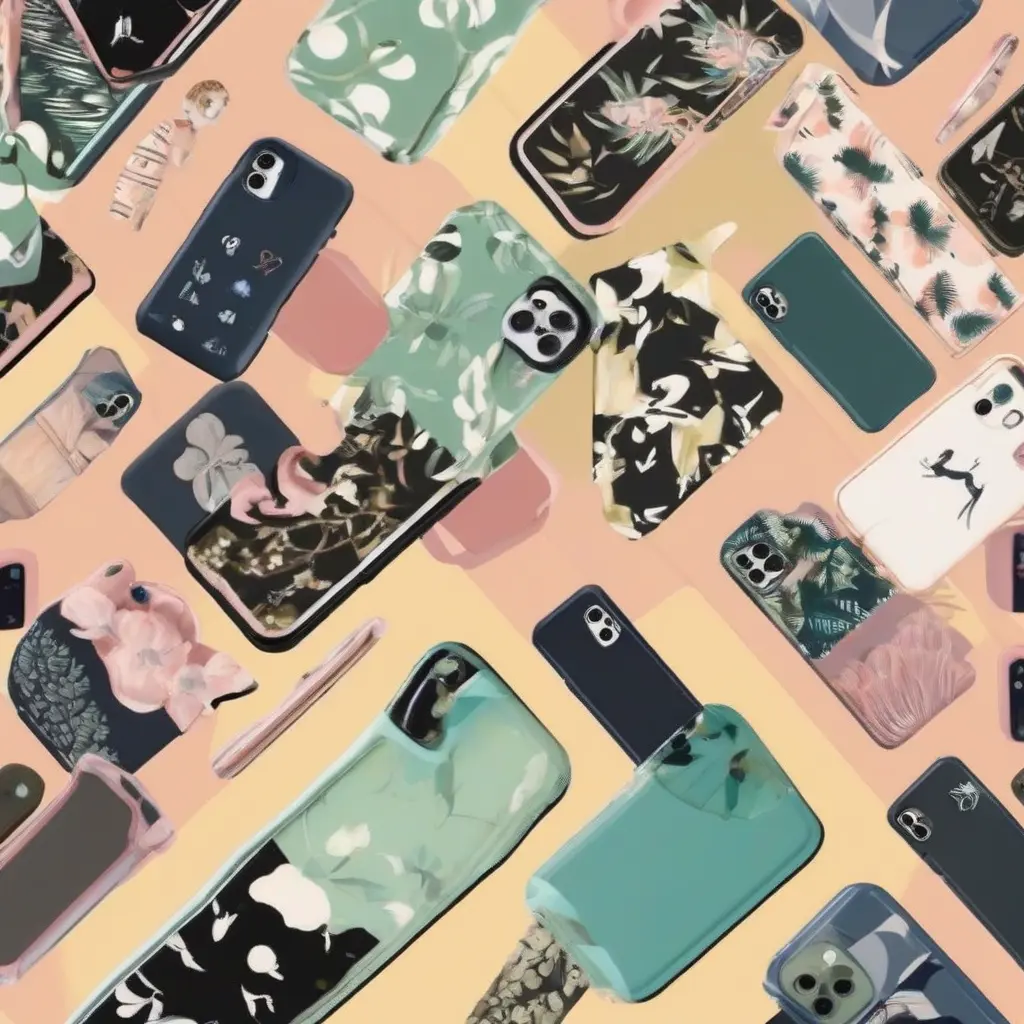
The design of phone cases has undergone significant transformations over the years, evolving from bulky protectors to sleek, minimalist accessories. Initially, these cases were primarily focused on providing heavy-duty protection against drops and scratches, often resulting in heavier designs. However, as technology improved and consumer preferences shifted, manufacturers began to explore lighter materials and streamlined designs. Today, modern phone cases not only emphasize protection but also serve as a fashion statement. This evolution reflects broader trends in technology and personal expression, illustrating the balance between function and style.
The Early Days of Phone Cases
In the early days of mobile phones, cases were primarily designed for maximum protection. Most models were made from rubber, plastic, or leather, aimed at shielding devices from impacts and scratches. Bulky designs were commonplace as manufacturers prioritized durability over aesthetics. This era saw the rise of pouch-style cases and holsters, which provided ample space for phones but often made them cumbersome to carry. While functionality was the main focus, these designs laid the groundwork for the importance of phone protection, setting the stage for future innovations in case design.
The Shift Towards Sleeker Designs
As phones became more sophisticated, the demand for sleeker and more stylish cases increased. The introduction of smarter smartphones in the late 2000s and early 2010s saw manufacturers experimenting with slimmer materials. Companies began using high-quality plastics, silicones, and semi-rigid materials, allowing for thinner profiles without compromising protection. This transition not only appealed to consumers seeking style but also influenced the overall design language of mobile phones, leading to a significant reduction in bulkiness among cases.
Functional Innovations in Case Design
Innovation in functionality has been a significant factor in the evolution of phone cases. Designers began incorporating features such as card slots, kickstands, and even battery packs into cases, enhancing their utility beyond mere protection. This trend allowed consumers to carry essentials like cards and cash conveniently, mirroring the multifunctionality of smartphones themselves. Such innovations appealed to a wide range of users, especially those seeking convenience and practicality in their everyday lives, further driving the market toward versatile and functional designs.
Material Advances in Phone Cases
The evolution of materials used in phone case design has greatly impacted their performance and aesthetic appeal. Initially dominated by bulkier options, manufacturers have embraced advanced materials such as TPU (thermoplastic polyurethane) and polycarbonate, which offer high durability while remaining lightweight. These materials can absorb shock and resist wear much better than older types, presenting a perfect balance of strength and slimness. As a result, contemporary cases now protect devices without adding unnecessary weight, enabling users to enjoy both functionality and style.
The Minimalist Trend
Recently, a notable trend in phone case design is the embrace of minimalism. This approach prioritizes a ‘less is more’ philosophy, focusing on slender profiles and understated aesthetics. Minimalist cases often feature transparent materials or subtle colors, allowing the original design of the phone to shine through. This trend resonates particularly with younger consumers who value simplicity and elegance. By reducing unnecessary embellishments, minimalist cases appeal to those who appreciate clean lines and wish to maintain a low-profile appearance while still ensuring essential protection.
Customization and Personalization
As phone cases have evolved, so has the opportunity for customization and personalization. Modern consumers often seek to express their identity through their phone accessories. Many brands now offer customizable options where users can select colors, patterns, and even upload images. This has led to a plethora of unique designs available in the market, catering to diverse tastes and preferences. Customizable cases not only serve as a form of personal expression but also foster a deeper connection between users and their devices, reflecting individual styles and personalities.
The Role of Sustainability
Environmental concerns are shaping the future of phone case designs as sustainability gains traction among consumers. Many manufacturers are now exploring eco-friendly materials, such as recycled plastics and biodegradable substances, to minimize their ecological footprint. As consumers become more conscious of their environmental impact, brands that prioritize sustainable practices are likely to attract a dedicated customer base. This trend towards sustainability not only addresses consumer demand but also encourages innovation in design, showcasing how functionality and environmental responsibility can coexist.
The Future of Phone Case Designs
Looking ahead, the future of phone case design is poised for further innovations and enhancements. With the rapid advancement of technology, we may soon see cases incorporating smart features, such as health monitoring sensors or integrated wireless charging capabilities. As augmented reality becomes more mainstream, cases could also integrate with smart devices to create immersive experiences. These futuristic designs will likely focus on personalization, sustainability, and advanced functionality, illustrating the ongoing commitment to meeting consumer demands while evolving with technological advancements.
Conclusion
The evolution of phone case designs reflects a dynamic interplay between functionality, aesthetics, and consumer preferences. From bulky protection to sleek minimalism, the journey of phone cases mirrors advances in technology and changing user expectations. As the industry moves forward, innovative materials and designs will continue to redefine the landscape, offering consumers a blend of style and practicality that meets their needs in an ever-evolving digital world.
