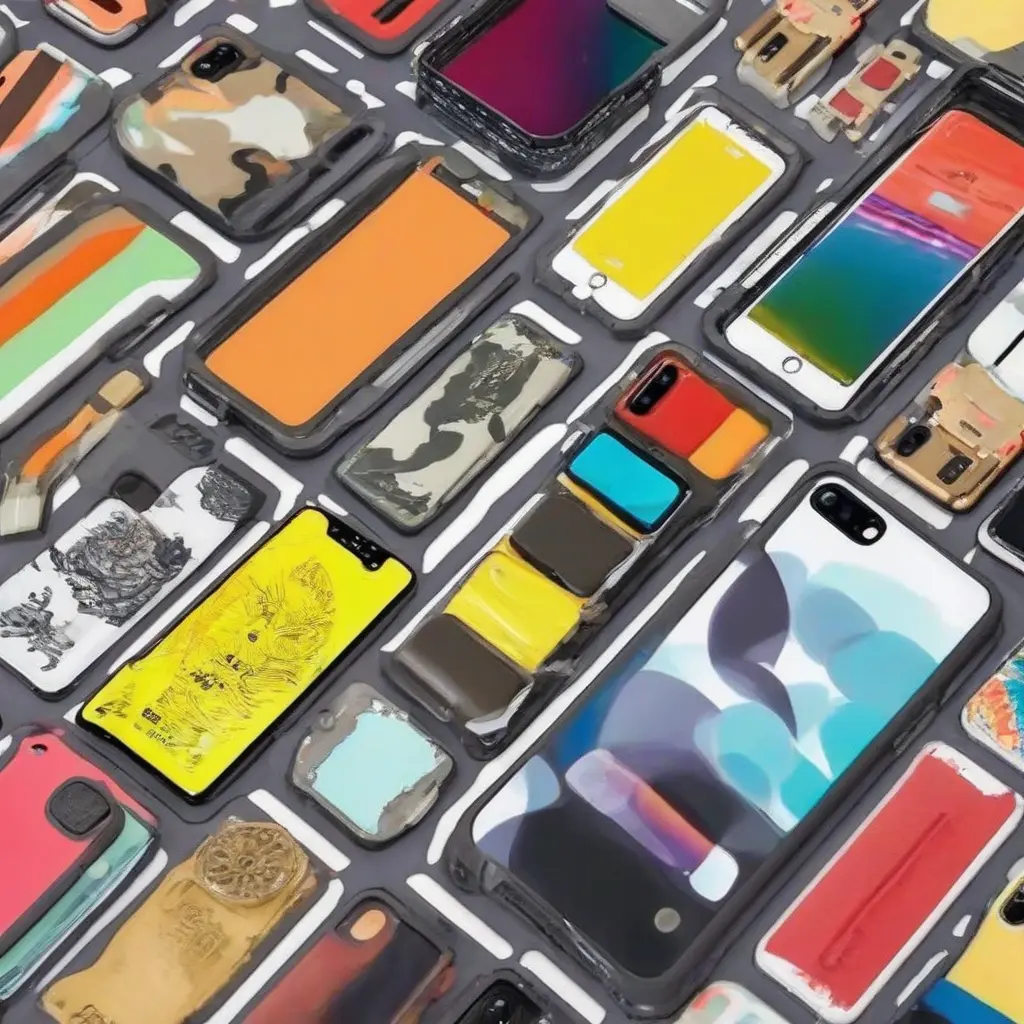
As the smartphone market grows, so does the availability of phone accessories. Among these, phone cases are essential for protection and style. However, many consumers unknowingly purchase counterfeit phone cases that lack quality and reliability. Understanding how to identify fake phone cases can save you money and enhance your device’s safety. In this guide, we will explore key indicators to spot counterfeit products, how to distinguish them from genuine ones, and the benefits of choosing authentic accessories.
Importance of Identifying Counterfeit Phone Cases
Counterfeit phone cases can pose several risks, not just to your device but also to your wallet. Fake products often use inferior materials, which can fail to protect your phone adequately. This can lead to damage from accidental drops or scratches, resulting in costly repairs. Additionally, purchasing counterfeit items can support unethical practices in manufacturing and distribution. As consumers, it is essential to prioritize quality and reliability while being aware of the importance of identifying counterfeit products.
Common Signs of Fake Phone Cases
Several visual indicators can help you identify fake phone cases. One of the most noticeable signs is poor craftsmanship; counterfeit cases may have uneven seams or low-quality prints. Moreover, check the materials used; genuine cases are often made from durable plastics or high-quality silicone, while counterfeits may feel flimsy or rubbery. Additionally, logos and branding on fake products may be poorly applied or misspelled, which should raise red flags regarding authenticity.
Packaging Quality: A Key Indicator
The packaging of a phone case can offer invaluable clues to its authenticity. Genuine products are typically packaged with care, using high-quality materials and clear branding. If the packaging appears cheap, generic, or lacks important information like barcodes or product details, it may be a sign of a counterfeit. Pay attention to the overall presentation; reputable brands invest in packaging that reflects their commitment to quality, while counterfeit cases often take shortcuts in this area.
Price Comparison: A Red Flag
While everyone loves a good deal, dramatically lower prices can signal counterfeit products. If a phone case is significantly cheaper than the original price from reputable retailers, it’s a red flag. Manufacturers set prices based on quality, materials, and design processes, so a price that seems too good to be true often is. Always compare prices across multiple authorized retailers to establish a reasonable price range for the product you wish to purchase.
Researching Brand Reputation
Before purchasing a phone case, do some background research on the brand. Genuine products usually come from well-regarded manufacturers that have established a reputation for quality and customer satisfaction. Look for reviews and customer feedback on trusted websites. If the brand has a history of complaints or issues regarding authenticity, consider this a major red flag. Reliable brands often have verified returns and customer service channels, ensuring you are protected post-purchase.
Where to Buy Authentic Phone Cases
To ensure you’re buying authentic phone cases, it is best to shop through authorized retailers or the brand’s official website. These platforms often feature detailed product descriptions, authenticity guarantees, and reliable customer support. Avoid online marketplaces that lack stringent seller evaluation processes, as they may include counterfeit products in their listings. Be wary of purchasing from obscure shops, as these often profit from selling counterfeit items without brand validation.
Understanding Warranty and Return Policies
A reliable indicator of a product’s authenticity is its warranty and return policy. Genuine brands usually offer warranties that cover defects or issues arising from normal use. They also provide straightforward return policies, demonstrating their confidence in the quality of their products. If a phone case comes with no warranty or has a complicated return process, this could indicate it is a counterfeit. Always opt for products that stand behind their quality with clear, customer-friendly policies.
The Economic Impact of Counterfeit Phone Cases
Purchasing counterfeit phone cases has broader economic implications beyond just personal finances. Counterfeit products undermine legitimate businesses, resulting in lost jobs and revenue in the industry. They also contribute to substandard production practices that can harm the environment. By choosing authentic accessories, consumers can make informed decisions that protect their investments and support ethical manufacturing initiatives. Being part of a responsible consumer base promotes a healthier economy and encourages innovation in design and technology.
Educating Others on the Risks of Counterfeits
Spreading awareness about the risks associated with counterfeit products is crucial in today’s marketplace. Educating friends and family about how to identify fake phone cases can help prevent them from making poor purchasing decisions. Share your knowledge on social media or in community groups to reinforce the importance of choosing authenticity. The more consumers are aware of the signs of counterfeits, the less likely they will fall victim to these scams, ultimately fostering a more informed and responsible consumer culture.
Conclusion
Identifying fake phone cases is essential for protecting your device and ensuring your investment is worthwhile. By understanding the signs of counterfeit products, researching brands, and buying from established retailers, consumers can avoid the pitfalls of lower-quality alternatives. Promoting awareness and education about the risks associated with counterfeits can lead to a more informed purchasing environment, benefitting both consumers and the industry as a whole.
