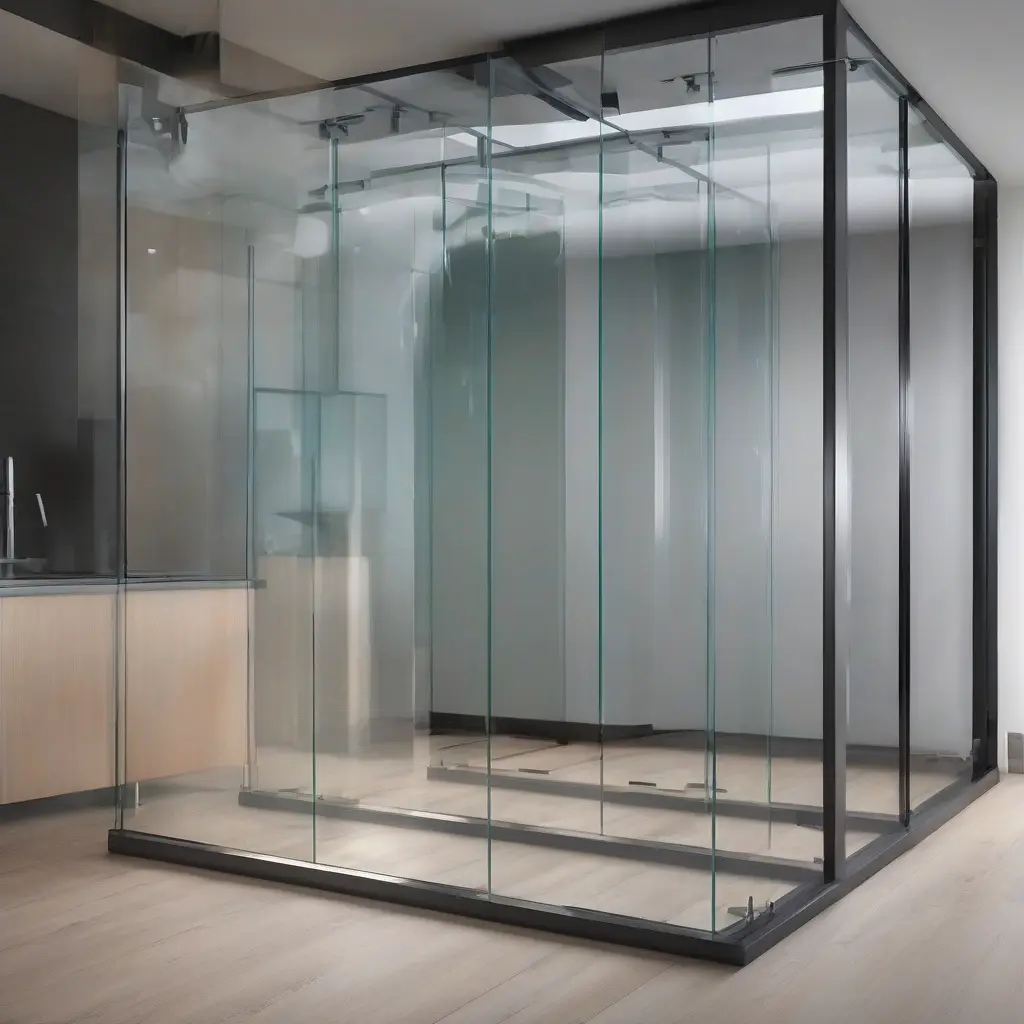
Selecting the appropriate thickness for tempered glass is crucial for its performance, safety, and aesthetic appeal. Various factors influence this choice, including its intended application, structural requirements, and environmental conditions. Understanding the characteristics of tempered glass can aid in making an informed decision. This article navigates the key considerations for choosing the right thickness, ensuring that your glass installations meet safety standards, enhance durability, and provide visual clarity.
Understanding Tempered Glass
Tempered glass, also known as toughened glass, undergoes a special heating and cooling process that increases its strength compared to regular glass. This process enhances its resistance to thermal stress and impact, making it a popular choice for various applications. When broken, tempered glass shatters into small, blunt pieces, reducing the risk of injury. Understanding the basic properties of tempered glass is essential in determining the appropriate thickness for specific uses, ensuring that safety is prioritized alongside functionality.
Factors Affecting Glass Thickness Selection
Several factors influence the thickness of tempered glass, including load-bearing requirements, size of the glass panel, and environmental factors. For instance, larger panels may require thicker glass to prevent sagging or breakage under pressure. Similarly, external conditions like wind load in high-rise buildings necessitate a careful assessment of glass thickness. Consulting with structural engineers or glass professionals can provide insights into how these factors impact the thickness needed for optimal safety and performance.
Common Thickness Options for Tempered Glass
Tempered glass typically comes in various thicknesses, commonly ranging from 1/8 inch (3 mm) to 1 inch (25 mm). Each thickness caters to specific applications; for example, 1/4 inch (6 mm) glass is often used for shower enclosures, while thicker options like 1/2 inch (12 mm) are preferred for storefronts and glass railings. Choosing the right thickness ensures not only aesthetic appeal but also functionality and safety, making it critical to understand these common sizing options.
Application-Specific Thickness Recommendations
Specific applications require tailored thickness recommendations. For example, residential windows typically use 1/4 inch (6 mm) or 3/8 inch (10 mm) glass. In contrast, glass used in commercial buildings may need to be thicker, usually around 1/2 inch (12 mm) or more, to withstand greater stress and impacts. Similarly, glass for balustrades needs to meet stringent safety standards, often necessitating a minimum thickness of 1/2 inch (12 mm). Identifying the application is vital in determining the optimal thickness.
Building Codes and Standards
When selecting tempered glass thickness, adherence to local building codes and industry standards is essential. These regulations often dictate minimum thickness requirements based on application type, location, and building design. Non-compliance can lead to safety hazards and legal repercussions. It is advisable to consult applicable codes and work with professionals to ensure that the selected glass meets all standards and provides a safe and reliable installation.
The Advantages of Thicker Tempered Glass
Thicker tempered glass offers several advantages, including increased strength, enhanced insulation properties, and improved soundproofing. It can better withstand impacts, making it ideal for environments subject to high traffic or potential hazards. Additionally, thicker glass can provide better thermal efficiency, reducing heating and cooling costs. While the initial cost may be higher, the long-term benefits often outweigh the investment, making thicker options a wise choice for various applications.
Economic Considerations
Choosing the right thickness of tempered glass also involves economic considerations. Thinner glass may reduce upfront costs but could lead to higher maintenance or replacement expenses if it does not meet safety or performance standards. Conversely, while thicker glass may require a higher initial investment, it can offer longevity and lower maintenance costs over time. Carefully analyzing both initial costs and long-term benefits is important for making an economically sound decision.
Environmental Impact on Glass Thickness
Environmental factors significantly impact the required thickness of tempered glass. Areas prone to extreme weather conditions, such as high winds or heavy snowfall, necessitate thicker glass to withstand these elements. Additionally, UV exposure can affect the material’s integrity over time. Understanding the local environment can guide decisions on the appropriate thickness to ensure durability and minimize wear and tear caused by environmental stressors.
Expert Consultation as a Key Factor
Consulting with experts, such as architects, engineers, and glaziers, is critical when determining the right thickness for tempered glass. These professionals can provide tailored advice based on specific project requirements, ensuring that safety, functionality, and aesthetic concerns are adequately addressed. Their expertise can help avoid costly errors and ensure compliance with local building codes. Engaging experts provides valuable insights into the complexities surrounding tempered glass selection.
Conclusion
Selecting the correct thickness for tempered glass is essential for ensuring safety, functionality, and aesthetic appeal. By considering various factors, including application type, environmental conditions, and compliance with building codes, you can make an informed decision. Consulting with experts can further enhance your selection process, ensuring that your tempered glass installations perform optimally and meet all necessary standards.
