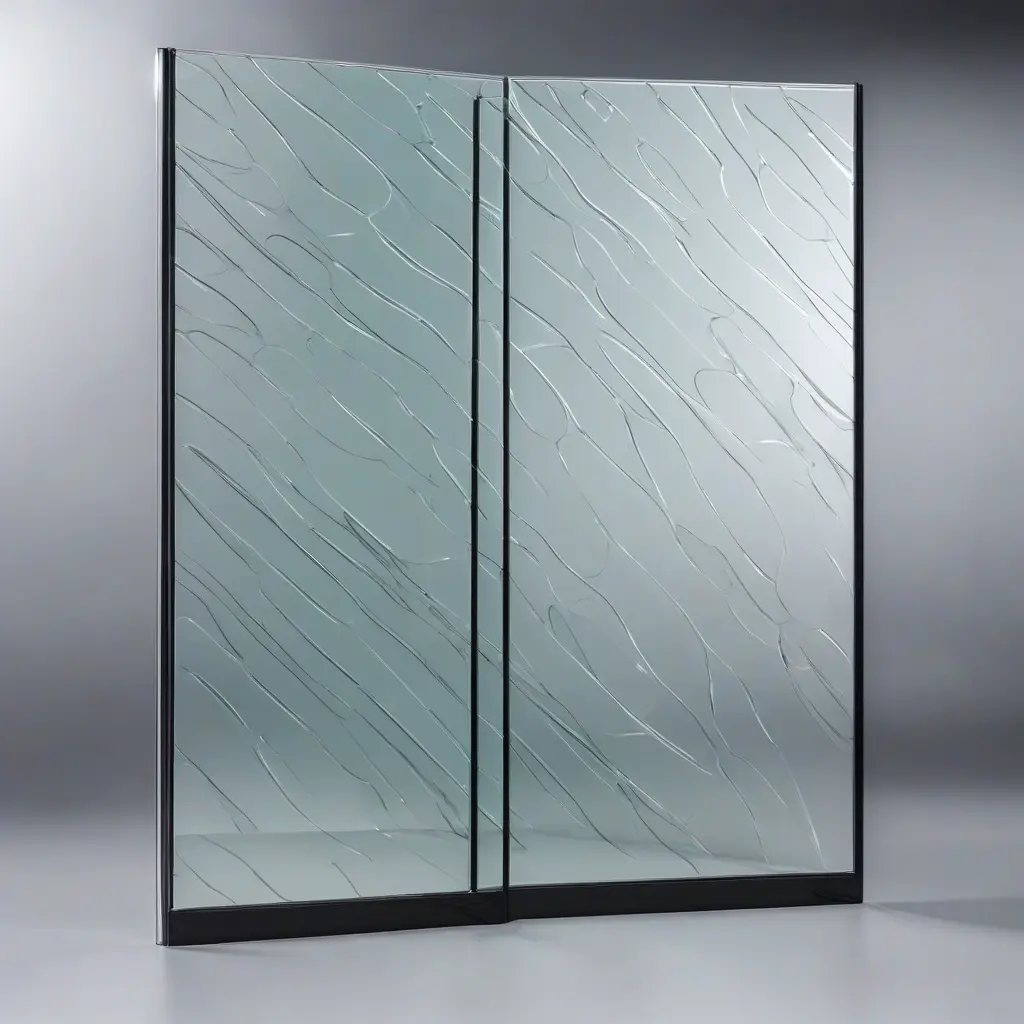
Tempered glass is often misunderstood, leading to a variety of myths that circulate among consumers. These misconceptions can create confusion when making decisions regarding building materials, home decor, or safety features. Understanding the reality of tempered glass is crucial for consumers who want to make informed choices. This article explores the most common myths about tempered glass, shedding light on its benefits, durability, safety features, and proper applications.
Myth 1: Tempered Glass is Unbreakable
One of the most prevalent myths is that tempered glass is completely unbreakable. While it is true that tempered glass is significantly stronger than regular glass due to the heat treatment process it undergoes, it is not entirely impervious to breaking. Under extreme impact, such as a heavy object being dropped or a sudden temperature change, tempered glass can still shatter. However, it shatters into small, blunt pieces, reducing the risk of injury compared to traditional glass.
Myth 2: All Tempered Glass is the Same
Another common misconception is that all tempered glass is of the same quality. In reality, the manufacturing process can vary significantly between different producers. Factors such as the type of raw materials used, the specific heating and cooling processes, and adherence to industry standards can influence the glass’s overall strength and performance. Therefore, consumers should seek tempered glass products from reputable manufacturers who prioritize quality assurance.
Myth 3: Tempered Glass is Only for Safety Applications
Many people believe that tempered glass is solely intended for safety applications, such as in shower doors or glass railings. While safety is a primary concern, tempered glass is also used for aesthetic and architectural purposes. Its clarity and strength make it an excellent choice for windows, tabletops, and facades. Consumers should understand that tempered glass serves multiple functions beyond safety, enhancing design without compromising durability.
Myth 4: Tempered Glass Cannot Be Cut or Altered
It is often mistakenly believed that tempered glass cannot be cut or altered once it is manufactured. While it is true that the cutting or drilling should be done before the tempering process, it is possible to create custom shapes and sizes by using specialized techniques. However, once tempered, cutting would lead to fracturing, so consumers seeking customized tempered glass should ensure their specifications are finalized before production to avoid complications down the line.
Myth 5: Tempered Glass is Expensive
Some consumers assume that tempered glass comes at a premium price that isn’t justifiable for every project. While it is true that tempered glass can be more expensive than standard glass due to the additional processing involved, it is important to consider its long-term benefits. The durability and safety features of tempered glass can lead to lower maintenance costs and potentially less frequent replacements, making it a cost-effective investment in the long run.
Myth 6: All Tempered Glass is Made the Same Way
Many consumers assume that there is just a single method for producing tempered glass. In reality, there are several techniques, including thermal tempering and chemical tempering, each producing their own unique characteristics. Thermal tempering uses heat to increase strength, while chemical tempering reinforces the glass with chemical processes. Understanding these differences is vital for consumers looking to select the right tempered glass for their specific needs.
Myth 7: Tempered Glass Provides 100% UV Protection
A common belief is that tempered glass blocks all UV radiation. In truth, while tempered glass offers better UV protection than standard glass, it does not eliminate UV rays entirely. Consumers often rely on this misconception when selecting windows and doors, assuming they are entirely shielded from harmful rays. For complete UV protection, additional treatments or coatings should be considered in conjunction with tempered glass.
Myth 8: Tempered Glass Cannot Handle Extreme Temperatures
Some people think that tempered glass cannot withstand extreme temperature fluctuations. Although tempered glass is designed to endure temperature variations better than standard glass, it can still be vulnerable to thermal shock if exposed to extreme and rapid changes in temperature. It’s advisable to be cautious with significant temperature differences, especially in situations like direct sunlight followed by sudden cold exposure.
Myth 9: Laminated and Tempered Glass are the Same
Another misconception is that laminated glass and tempered glass are interchangeable. While both types provide safety features, they serve different purposes. Laminated glass is made by sandwiching a layer of interlayer material between two glass layers, making it more resistant to impact and providing sound insulation. In contrast, tempered glass is heat-treated for added strength. Understanding their distinctions can help consumers choose the appropriate glass for their specific applications.
Myth 10: Tempered Glass is Environmentally Unsustainable
Many consumers believe that tempered glass production is harmful to the environment due to the energy-intensive manufacturing process. However, tempered glass can be made from recycled materials, and it is also recyclable itself. The long lifespan of tempered glass further contributes to sustainability, as it reduces the need for frequent replacements. Therefore, when considering environmentally-friendly building materials, tempered glass can be a viable option.
Conclusion
Understanding the common myths surrounding tempered glass is crucial for consumers who want to make informed decisions. By distinguishing fact from fiction, individuals can better appreciate the true benefits and applications of tempered glass, allowing them to choose the best options for their projects while taking safety, aesthetics, and durability into account.
