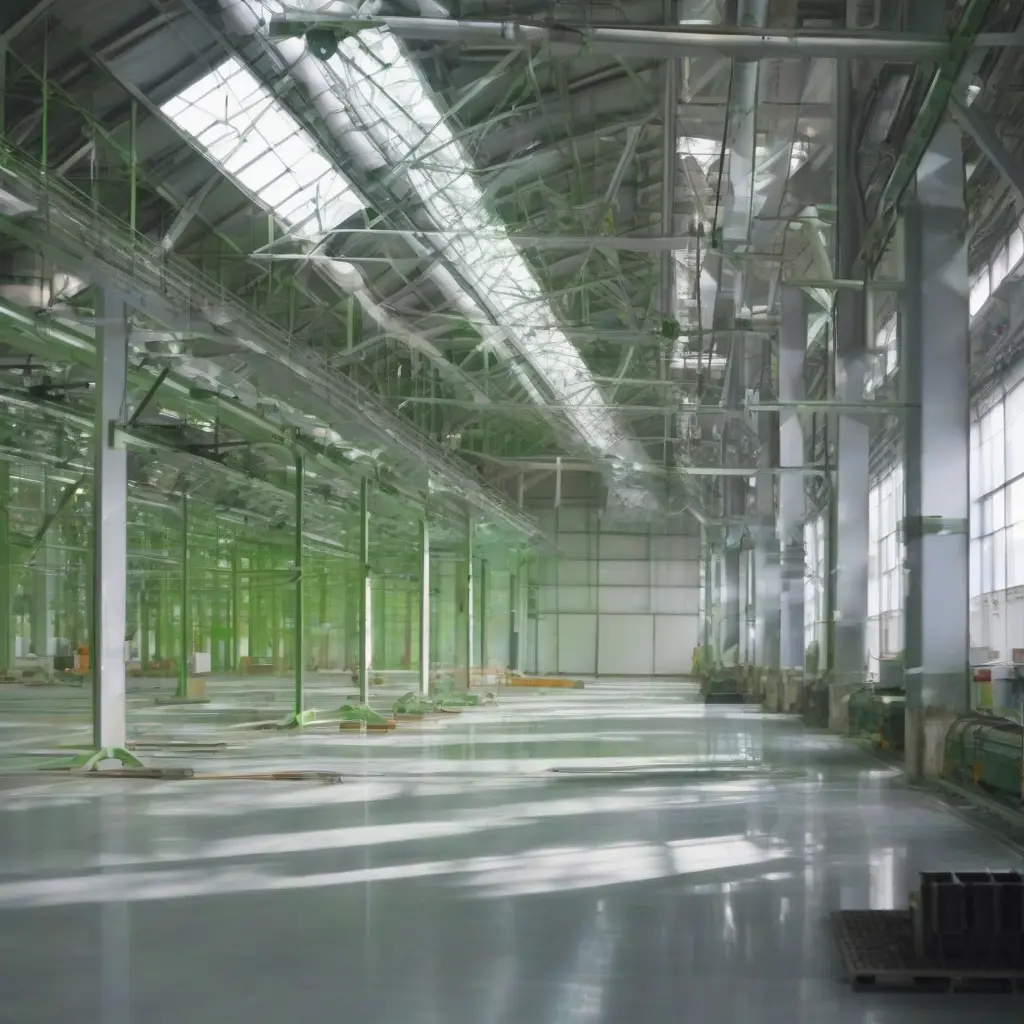
Tempered glass is increasingly favored for its durability and safety, but its manufacturing processes can have substantial environmental impacts. Understanding these effects is crucial, especially as industries seek more sustainable practices. From raw material extraction to energy consumption and waste production, various factors contribute to the overall ecological footprint of tempered glass. This article delves into the environmental considerations surrounding tempered glass production, highlighting critical areas of concern and potential improvements.
The Raw Materials Used in Tempered Glass Production
Tempered glass is primarily made from silica sand, soda ash, and limestone, components that have significant environmental implications. The extraction of silica sand, in particular, can lead to habitat destruction, water pollution, and depletion of natural resources. Additionally, the mining processes for these raw materials can generate considerable greenhouse gas emissions, as large machinery is used to remove earth and transport materials. Sustainable sourcing of these materials is essential to minimizing the environmental impact of tempered glass manufacturing.
Energy Consumption in Tempered Glass Manufacturing
The manufacturing of tempered glass is an energy-intensive process, requiring high temperatures for heating and cooling. These processes often rely on fossil fuels, contributing to greenhouse gas emissions and increasing the carbon footprint of the finished product. Moreover, energy consumption varies depending on the technology used and the scale of production. By adopting renewable energy sources and implementing energy-efficient technologies, manufacturers can significantly reduce the environmental impact associated with tempered glass production.
Waste Management in the Glass Industry
The glass manufacturing process generates a variety of waste materials, including defective glass and process by-products. Proper waste management is pivotal in reducing environmental harm. While some waste can be recycled or repurposed, improper disposal can lead to landfill overflow and increased pollution. Implementing a circular economy model, where waste is minimized and recycled materials are utilized, can help mitigate the ecological effects of the tempered glass industry.
Chemical Usage in Tempered Glass Processing
The production of tempered glass often involves the use of chemicals for coating and treatment, raising concerns about their environmental impact. Many of these chemicals can be toxic, contributing to air and water pollution during and after the manufacturing process. Implementing safer alternatives and ensuring proper handling and disposal of hazardous materials are necessary measures to minimize chemical-related environmental risks in tempered glass manufacturing.
Sustainable Practices in Tempered Glass Production
In recent years, the tempered glass industry has increasingly focused on sustainable practices to mitigate its environmental impact. This includes adopting energy-efficient manufacturing techniques and exploring the use of recycled materials. Some manufacturers are investing in technologies that substantially reduce energy consumption and emissions during production. Additionally, partnerships with sustainable suppliers help ensure that raw material sourcing aligns with environmental standards, paving the way for a more eco-friendly approach in the industry.
The Role of Recycling in Reducing Environmental Impact
Recycling plays a critical role in minimizing the environmental impact of tempered glass. Recycling existing glass can significantly reduce the need for new raw materials, thus lowering energy consumption and greenhouse gas emissions associated with production. Moreover, recycled glass can be used in various applications, further extending its lifecycle. Promoting recycling initiatives among consumers and industries alike is essential for developing a sustainable glass industry that limits environmental harm.
Future Trends in Tempered Glass Manufacturing
As awareness of environmental issues continues to grow, tempered glass manufacturing is likely to evolve towards more sustainable practices. Innovations in manufacturing processes that emphasize energy efficiency, waste reduction, and the use of green materials are anticipated. Furthermore, regulatory pressures may drive manufacturers to adopt more stringent sustainability measures, fostering a culture of environmental responsibility within the industry. Keeping abreast of these trends will be vital for stakeholders committed to reducing the ecological footprint of tempered glass.
Conclusion
In conclusion, while tempered glass offers numerous benefits, its manufacturing processes pose significant environmental challenges. Addressing issues related to raw material extraction, energy consumption, waste management, and chemical usage is crucial for the industry’s sustainability. By embracing innovative technologies and sustainable practices, the tempered glass sector can reduce its ecological impact while meeting increasing market demands.
