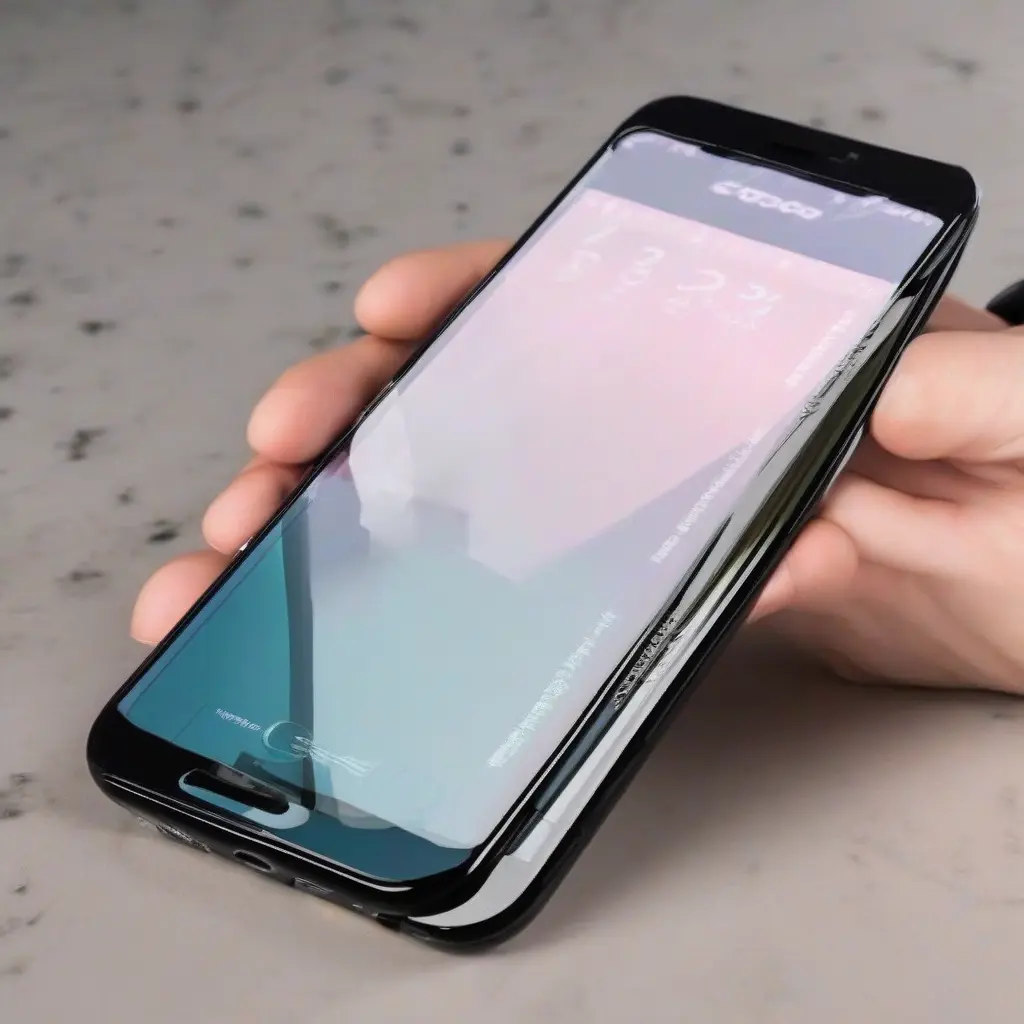
When it comes to protecting your smartphone or tablet, two popular options prevail: TPU (Thermoplastic Polyurethane) and tempered glass screen protectors. Each type has unique characteristics, benefits, and drawbacks, making it essential for consumers to understand how they differ. This guide will delve into the specific qualities of TPU and tempered glass protectors, helping you make an informed choice for your device, based on your lifestyle and preferences. From durability to installation and price, we will cover all aspects to provide clarity on which option might work best for your needs.
What is TPU Screen Protector?
A TPU screen protector is made from a flexible thermoplastic polyurethane material. This type of protector is known for its elasticity and resistance to tearing and abrasion. It offers a lightweight solution for users who want decent protection for their devices while maintaining a slim profile. TPU protectors are available in various finishes, including matte and glossy, and they can help minimize fingerprints and smudges. Additionally, the installation process is typically straightforward, involving simple alignment and adherence to the device’s screen.
What is Tempered Glass Screen Protector?
Tempered glass screen protectors consist of several layers of glass that are treated with heat to enhance their durability and resistance to impact. Unlike TPU, tempered glass is considerably thicker and provides a rigid protective barrier for smartphones and tablets. This type of protector is designed to absorb shock, preventing screen cracks during accidental drops or impacts. Users appreciate the high level of clarity and tactile feel that tempered glass offers, emulating the original screen experience effectively without compromising sensitivity.
Durability Comparisons between TPU and Tempered Glass
When it comes to durability, tempered glass screen protectors generally outshine TPU options due to their hardness and ability to withstand significant impacts. The tempered glass layer helps to distribute force evenly across the display, significantly reducing the risk of cracking. On the other hand, TPU protectors, while flexible and more resistant to scuffs, tend to wear down more quickly over time, especially in scenarios involving drops or heavy usage. Understanding these differences is crucial for users prioritizing durability and long-term protection.
Installation Process of TPU vs. Tempered Glass
Both TPU and tempered glass screen protectors have installation processes that can typically be performed at home. TPU protectors are generally easier to install due to their flexible nature, allowing for a more forgiving alignment on the device screen. However, they may require smoothing out air bubbles during the installation. In contrast, tempered glass requires careful alignment to prevent misplacement, as any shift can result in edge lift or misalignment. While both processes can be managed by users, tempered glass installation may demand a bit more precision.
Price Considerations for Screen Protectors
When considering screen protector options, price can be a determining factor for many consumers. TPU screen protectors are often the more affordable choice, typically ranging from $5 to $20, depending on quality and brand. Their lower manufacturing cost contributes to this price advantage. Conversely, tempered glass protectors can range from $15 to $50 or more, owing to the more complex manufacturing process. Understanding the price dynamics can help buyers choose a protector that both fits their budget and meets their protective needs.
Sensitivity and Touch Experience
User experience is significantly influenced by the sensitivity and touch responsiveness of the screen protector. Tempered glass protectors often provide a tactile experience akin to that of the original device screen, with very minimal effect on touch sensitivity. Users commonly report that their smartphones feel just as responsive as they would without any protector. In comparison, TPU protectors may sometimes feel slightly less smooth, affecting the overall touch experience. However, higher-quality TPU options can still maintain excellent sensitivity, making them a viable choice for those who prioritize a natural feel.
Fingerprint Resistance and Maintenance
Fingerprint and smudge resistance is an important factor to consider when comparing screen protectors. Generally, tempered glass screen protectors have oleophobic coatings that repel fingerprints and oil, making them easier to clean and maintain. This characteristic helps keep your screen looking clear and usable for longer periods. TPU protectors, while available in matte finishes that minimize visible fingerprints, may require more frequent cleaning due to their tendency to accumulate smudges. Understanding these maintenance needs can help users opt for a solution that aligns with their lifestyle.
Aesthetic Appeal of TPU vs. Tempered Glass Protectors
The aesthetic appeal of a screen protector can significantly affect a user’s choice. Tempered glass screen protectors usually provide a sleek, polished look that enhances the overall appearance of the device, maintaining its original design integrity. The clarity they offer ensures a vibrant display, making them popular among users who appreciate aesthetics. In contrast, TPU protectors come in various colors and finishes, appealing to those who prefer a more customized appearance. Choosing the right style can reflect an individual’s personality while also providing necessary protection.
Environmental Considerations of TPU and Tempered Glass
In today’s eco-conscious society, the environmental impact of products is a growing consideration. TPU screen protectors are typically recyclable and less harmful to the environment compared to their glass counterparts, making them a more sustainable choice. However, the production of tempered glass requires significant energy and resources, contributing to a larger carbon footprint. Understanding the environmental aspects of both types can guide consumers towards responsible purchasing decisions that align with their values.
Determining the Right Choice for You
Ultimately, choosing between TPU and tempered glass screen protectors depends on individual preferences, lifestyle, and the specific use case of the device. For users who prioritize aesthetics, rugged durability, and a glass-like feel, tempered glass is likely the better option. Conversely, consumers seeking a lightweight, flexible, and budget-friendly protector might find TPU more suitable. Evaluating your priorities in terms of appearance, protection, and pricing will enable you to make the most informed choice for enhancing your device’s lifespan.
Conclusion
In conclusion, both TPU and tempered glass screen protectors offer distinct advantages, making them valuable options depending on user needs. Understanding the critical differences in durability, installation, price, and overall experience can guide consumers toward an informed choice. By weighing the pros and cons of each type, device owners can confidently select the protector that best aligns with their lifestyle and device usage.
