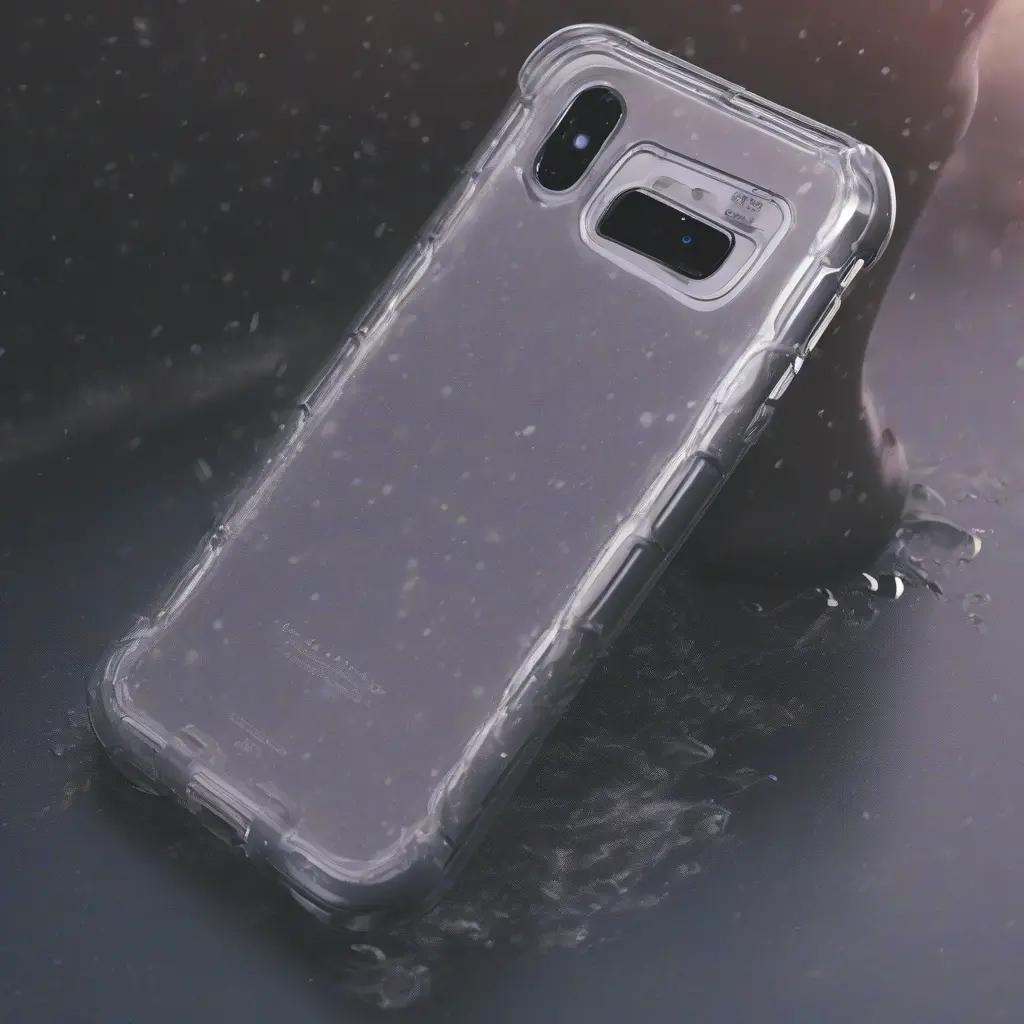
In today’s world, smartphones are a vital part of our daily lives, making it essential to keep them protected from environmental elements. Weather-resistant phone cases have emerged as a popular solution for safeguarding devices against rain, snow, and extreme temperatures. Understanding how these cases work helps consumers make informed choices. This article provides a detailed breakdown of the technology and materials that contribute to the weather resistance of phone cases, ensuring your device remains safe and functional, regardless of outdoor conditions.
Understanding Weather Resistance
Weather resistance refers to a phone case’s ability to protect a smartphone from moisture, temperature variations, and other environmental conditions. Unlike waterproof cases, which are designed to be submerged, weather-resistant cases aim to reduce damage from incidental exposure to water and dirt. The level of resistance can vary significantly, often classified by IP ratings, which determine how well a product withstands dust and water exposure. A solid understanding of these classifications helps consumers select the right case for their needs.
Materials Used in Weather-Resistant Cases
Most weather-resistant phone cases are made from a combination of materials that enhance their protective qualities. Common materials include silicone, polycarbonate, and rubber, which offer flexibility and durability. Many cases incorporate additional coatings or treatments that repel water and dust, further enhancing their performance. Understanding the materials used in a case can help you assess its effectiveness and longevity in challenging weather conditions. Choosing high-quality materials directly impacts the case’s ability to provide reliable protection.
IP Ratings Explained
IP ratings, or Ingress Protection ratings, are crucial for understanding the level of weather resistance in phone cases. Each IP rating consists of two numbers: the first indicates dust resistance, while the second measures water resistance. For example, an IP67 rating implies complete dust protection and the ability to withstand immersion in water up to 1 meter for 30 minutes. Knowing these ratings allows consumers to select cases that best meet their lifestyle demands, especially for individuals who often find themselves in harsh environments.
Design Features Enhancing Weather Resistance
Beyond materials, design features play a significant role in enhancing a case’s weather resistance. Many cases include reinforced corners, raised edges, and port covers that help block moisture and dust from entering essential components. These design elements create a barrier against the elements, ensuring the lifespan of the device is maximized. By choosing cases with thoughtful engineering and user-centric designs, consumers can ensure better protection for their devices during outdoor use.
Testing and Certification Standards
To ensure reliability, weather-resistant cases undergo rigorous testing and certification processes. Manufacturers often comply with industry standards such as MIL-STD-810, which defines various environmental conditions a product can withstand. Many brands perform real-world testing, simulating extreme weather scenarios to evaluate performance. Understanding these testing methodologies can provide insight into how well a case can protect a smartphone, aiding consumers in making informed purchasing decisions.
User Experiences and Reviews
User experiences and reviews are invaluable resources for evaluating the effectiveness of weather-resistant phone cases. Many consumers share their feedback on how well the case performed during outdoor activities, such as hiking or biking in the rain. These firsthand accounts often highlight specific strengths and weaknesses, offering potential buyers a realistic view of a case’s capabilities. By researching user reviews, individuals can gain a better understanding of which products provide the best protection for their unique lifestyle needs.
Maintaining Your Weather-Resistant Case
Even the most durable weather-resistant cases require regular maintenance to ensure optimal performance. Users should periodically clean their cases to remove debris that may compromise protection. It’s also vital to check for any wear and tear, especially around port covers and sealing mechanisms, which are critical for maintaining weather resistance. Proper care can prolong the life of the case, ensuring that it continues to offer protection against the environment.
Popular Brands and Their Offerings
Several brands are known for their high-quality weather-resistant phone cases. Leading companies like OtterBox, LifeProof, and Spigen have developed a range of cases catering to various needs. Each brand typically offers unique features, materials, and designs that highlight their commitment to durability and protection. By exploring different brands and their offerings, consumers can find a case tailored to their specific requirements, ensuring that they invest in reliable protection for their devices.
The Impact of Weather-Resistant Cases on Phone Longevity
Utilizing a weather-resistant phone case can significantly improve the longevity of a smartphone. These cases help minimize exposure to harmful elements such as water, dirt, and temperature fluctuations, which can lead to device malfunctions over time. By investing in quality protection, users can extend the lifespan of their devices, reducing the need for replacements. This investment can be cost-effective in the long run, emphasizing the importance of choosing the right case for your smartphone.
Conclusion
In conclusion, understanding how weather resistance in phone cases works is essential for maintaining the integrity of your smartphone in diverse environments. By considering materials, IP ratings, and design features, consumers can make informed choices. Weather-resistant cases not only enhance device protection but also contribute to long-term durability, ensuring that smartphones thrive, even in challenging conditions.
